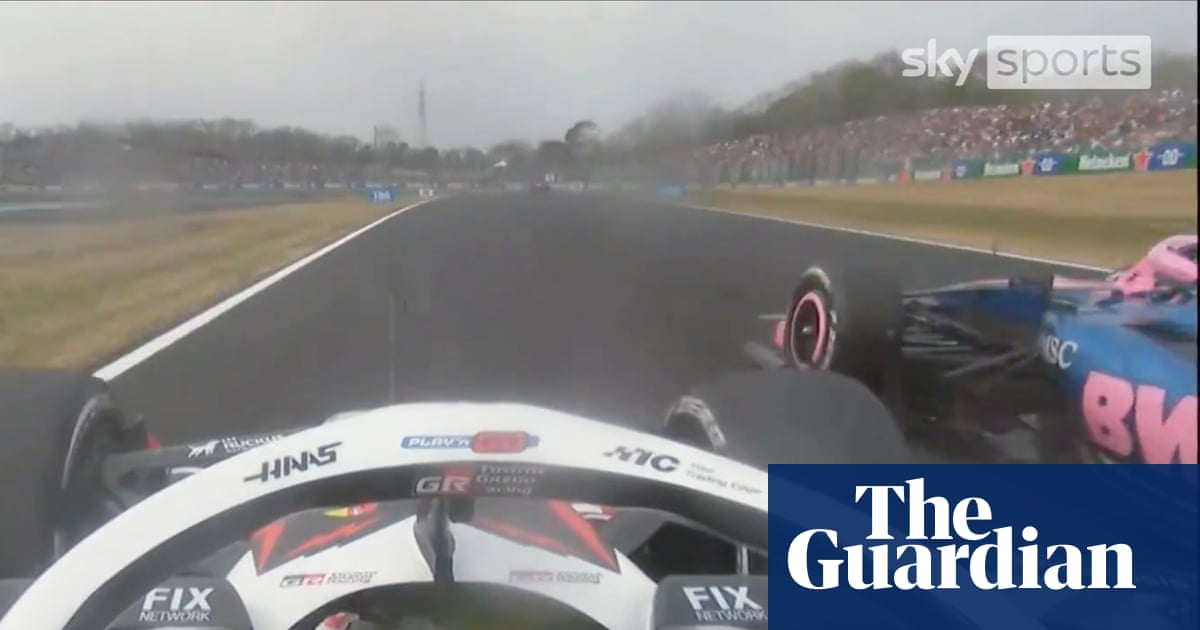
The Alpine Formula One team has strongly condemned the online abuse directed at its drivers, both past and present, following recent incidents on the track. Argentinian driver Franco Colapinto has been targeted with hateful messages in the wake of Oliver Bearman’s high-speed crash at the Japanese Grand Prix, while former Alpine racer Esteban Ocon has received death threats related to a collision with Colapinto during the Chinese Grand Prix last month. The team has also refuted claims circulating among some fans alleging sabotage or unequal equipment distribution between Colapinto and his teammate, Pierre Gasly.
The incidents highlight a growing concern within the Formula 1 community regarding online toxicity and the safety of drivers and team personnel. The abuse directed at Colapinto and Ocon is not isolated, with similar instances occurring in recent seasons, prompting calls for stronger action against online harassment. This latest wave of negativity underscores the challenges faced by the sport in protecting its participants from the darker side of fan engagement. The team’s swift response aims to send a clear message that such behavior is unacceptable and will not be tolerated.
The controversy surrounding the Japanese Grand Prix stemmed from a collision involving Colapinto and Oliver Bearman, who was substituting for Carlos Sainz Jr. At Ferrari. Bearman’s car sustained significant damage in the crash, with reports indicating a force of 50G upon impact, according to The Guardian. Colapinto was maneuvering on track when Bearman, attempting to avoid contact, hit the barriers. The incident sparked debate online, with some fans wrongly blaming Colapinto for the crash and subjecting him to a barrage of abusive messages. Alpine has firmly dismissed these accusations, emphasizing the unpredictable nature of racing and the difficulty of avoiding collisions in high-speed situations.
Ocon’s Previous Incident and Subsequent Threats
The abuse directed at Colapinto followed closely on the heels of similar threats aimed at Esteban Ocon, now driving for Haas F1 Team. Ocon took responsibility for a collision with Colapinto during the Chinese Grand Prix on April 21st, 2026, acknowledging that the incident was his fault. He subsequently received a 10-second penalty for the clash, which he accepted as fair, as reported by Formula1.com. Despite taking accountability, Ocon was bombarded with online abuse, including death threats. The FIA president, Mohammed Ben Sulayem, responded with a letter of support to Ocon, demonstrating the organization’s commitment to protecting its drivers from online harassment.
Ocon detailed the extent of the abuse, stating that he initially tried to ignore it but became aware of the severity of the threats. He emphasized the importance of directly communicating with Colapinto to express his apologies and ensure there were no lingering issues between the two drivers. “The important thing for me was really to speak with Franco directly to really tell him what I thought and that I was sorry about the incident since it was my fault on that one,” Ocon said, as reported by Motorsport.com. He also acknowledged the increasing prevalence of such abuse and the demand for stronger consequences for those responsible, referring to the perpetrators as “keyboard warriors.”
FIA’s Response and United Against Online Abuse
The FIA has been actively working to combat online abuse within the Formula 1 community. Following an incident in 2022 where an FIA steward received death threats after the U.S. Grand Prix, President Mohammed Ben Sulayem launched the United Against Online Abuse (UAOA) initiative. This program aims to identify and address online harassment directed at individuals involved in the sport. The recent incidents involving Colapinto and Ocon have further underscored the urgency of this effort. The FIA’s letter to Ocon demonstrates its commitment to supporting drivers who are targeted by online abuse and to taking concrete steps to address the issue.

The problem extends beyond Formula 1, with other drivers also experiencing online harassment. Kimi Antonelli, a Mercedes driver, temporarily closed his social media channels in 2025 after receiving abuse and false accusations during the Qatar Grand Prix, as noted by Motorsport.com. This highlights the widespread nature of the problem and the need for a comprehensive approach to protect all members of the motorsport community.
Addressing Claims of Sabotage and Unequal Treatment
Alpine has also addressed concerns raised by some fans regarding potential sabotage or unequal treatment of its drivers. The team firmly dismissed these allegations, stating that both Franco Colapinto and Pierre Gasly receive the same level of support, and equipment. This response aims to quell speculation and maintain a positive team environment. The team’s commitment to fairness and equality is crucial for fostering a collaborative and competitive atmosphere.
The accusations of sabotage likely stem from the competitive nature of Formula 1 and the intense scrutiny faced by teams and drivers. However, Alpine has emphasized that such claims are unfounded and detrimental to the team’s morale. The team’s focus remains on providing both drivers with the resources they need to succeed and to compete at the highest level.
The Broader Issue of Online Abuse in Sports
The incidents involving Colapinto and Ocon are part of a larger trend of online abuse in sports. Athletes across various disciplines are increasingly targeted by hateful messages, threats, and harassment on social media platforms. This abuse can have a significant impact on their mental health and well-being. The Formula 1 community, along with other sports organizations, is grappling with how to effectively address this issue and protect its participants.
Several factors contribute to the rise of online abuse, including the anonymity afforded by social media, the lack of accountability for online behavior, and the increasing polarization of society. Addressing this problem requires a multi-faceted approach, including stronger regulations, increased awareness, and improved education. Social media platforms also have a responsibility to take action against abusive content and to create a safer online environment.
The FIA’s UAOA initiative represents a positive step in the right direction, but more needs to be done to combat online abuse and protect athletes from harm. This includes working with social media companies to develop more effective tools for identifying and removing abusive content, as well as providing support and resources for athletes who are targeted by online harassment. The ultimate goal is to create a culture of respect and inclusivity within the Formula 1 community and beyond.
Alpine’s condemnation of the abuse directed at its drivers serves as a powerful reminder of the human cost of online toxicity. The team’s commitment to supporting its drivers and to working with the FIA to address this issue is commendable. The hope is that this incident will spark a broader conversation about online abuse in sports and lead to meaningful change.
The FIA is expected to provide an update on its UAOA initiative and its efforts to combat online abuse at its next meeting on May 15th, 2026. Fans are encouraged to report any instances of online abuse to the FIA and to social media platforms. Continued dialogue and collaboration are essential to creating a safer and more respectful online environment for all.
What are your thoughts on the increasing online abuse directed at Formula 1 drivers? Share your opinions and experiences in the comments below. Don’t forget to share this article with your friends and colleagues to raise awareness about this important issue.