
WASHINGTON D.C. – In a move poised to dramatically reshape the pharmaceutical landscape, former President Donald Trump has imposed substantial tariffs on branded drugs imported into the United States. The tariffs, reaching as high as 100%, target pharmaceutical companies that have not negotiated agreements with the administration to lower drug prices for American consumers. The action, announced Thursday, represents a significant escalation in Trump’s ongoing efforts to control healthcare costs and bolster domestic manufacturing, despite a recent Supreme Court ruling limiting his broader trade powers.
The new tariffs are structured to incentivize pharmaceutical companies to engage in negotiations with the Department of Health and Human Services (HHS) and the Department of Commerce. Companies agreeing to “Most Favored Nation” (MFN) pricing agreements with HHS and onshoring production with the Department of Commerce will face a 0% tariff through January 20, 2029. Those committing only to onshoring will see a 20% tariff, increasing to 100% four years from now. The move follows a Supreme Court decision last month that struck down Trump’s previous attempts at broad-based tariffs imposed in 2025, which had excluded the pharmaceutical industry. CNBC reports that the administration views the tariffs as a means of protecting the U.S. Drug supply and encouraging domestic production.
Tariff Structure and Exemptions
The core of the new policy centers around a 100% tariff on patented medications and their active pharmaceutical ingredients. However, the administration has built in several pathways to mitigate or avoid these levies. As outlined by the White House, tariffs will be phased in, taking effect in 120 days for larger companies and 180 days for smaller firms. This staggered implementation is intended to allow companies time to adjust and negotiate agreements.
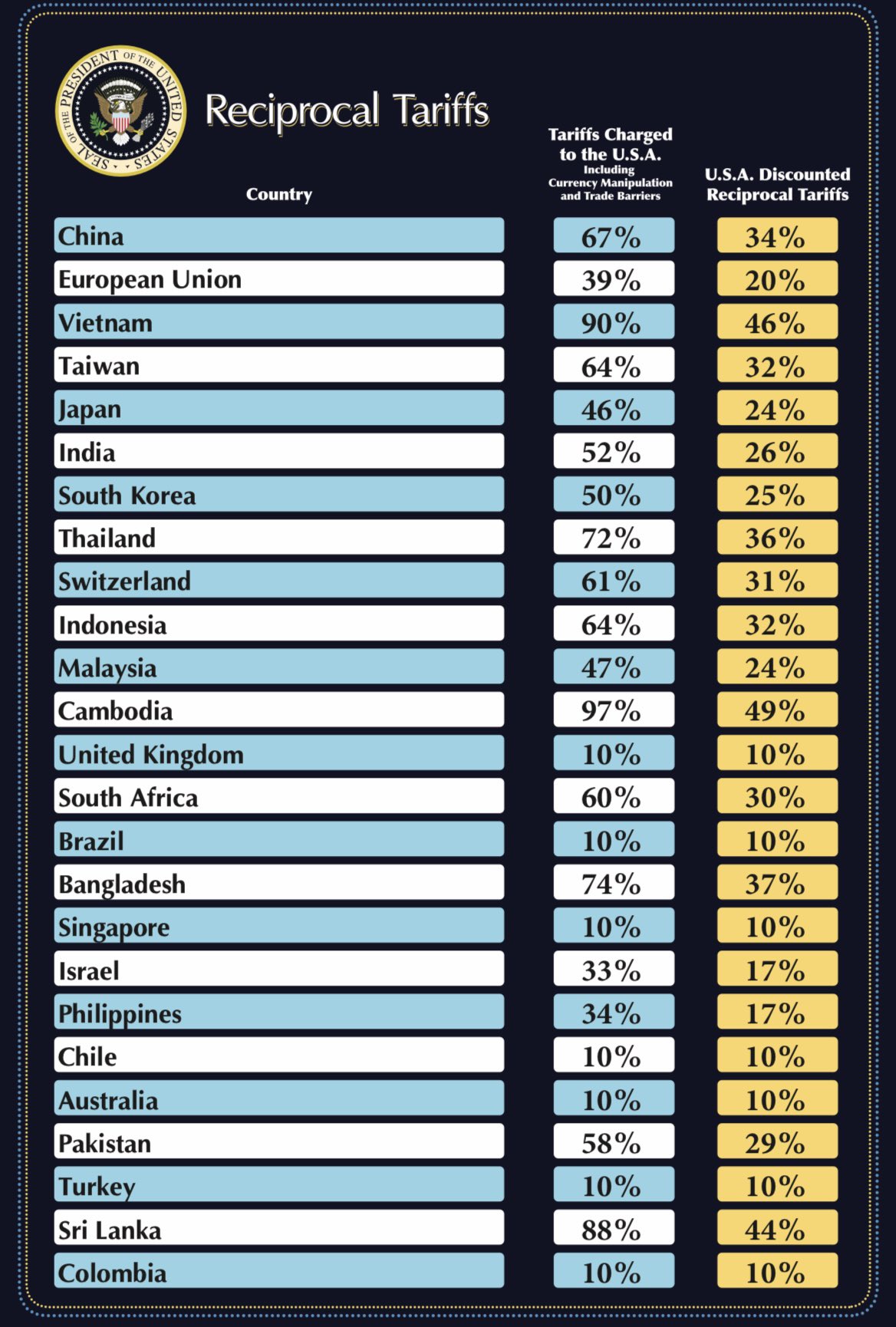
Certain pharmaceutical products are exempt from the tariffs. Generic drugs and biosimilars are currently excluded, though this will be reassessed in one year. Orphan drugs, medications for animal health, and other specialty pharmaceutical products originating from countries with existing trade agreements – including the European Union, Japan, Korea, Switzerland, and Liechtenstein – are also exempt, or subject to lower tariffs. A reduced tariff will also apply to products from the United Kingdom, stemming from a recently concluded pharmaceutical agreement. The administration emphasized the importance of ensuring access to essential medications while pursuing its broader trade objectives.
Impact on Drug Prices and Supply Chains
The potential impact of these tariffs on drug prices remains a subject of debate. Supporters argue that the tariffs will compel pharmaceutical companies to lower prices, ultimately benefiting American consumers. Critics, however, express concern that the tariffs could lead to higher costs for patients, particularly for those reliant on imported medications. Politico notes that the actual effect will likely be limited, as the tariffs primarily target companies that haven’t already engaged in price negotiations.
Beyond pricing, the tariffs are expected to have implications for pharmaceutical supply chains. The administration’s stated goal is to encourage onshoring – bringing pharmaceutical manufacturing back to the United States – to reduce reliance on foreign suppliers. This aligns with broader national security concerns about the vulnerability of critical supply chains. However, shifting production back to the U.S. Could be a complex and costly undertaking, potentially leading to disruptions in the short term. The tariffs on raw materials made from steel, aluminum, and copper, also announced Thursday, are intended to further incentivize domestic production across various industries.
Legal Basis and Trade Implications
The Trump administration is implementing these tariffs under Section 232 of the Trade Expansion Act of 1962, a provision that allows the president to impose tariffs on imports deemed a threat to national security. This legal justification has been used in the past for tariffs on steel and aluminum, and has faced legal challenges. The recent Supreme Court ruling, while limiting the scope of Trump’s broader tariff authority, did not directly address the utilize of Section 232 for national security purposes.
The new pharmaceutical tariffs are likely to draw scrutiny from international trade partners. The European Union, Japan, and other countries could challenge the tariffs through the World Trade Organization (WTO), arguing that they violate international trade rules. The administration has previously shown a willingness to disregard WTO rulings, raising the prospect of retaliatory tariffs from other nations. The long-term implications for global trade relations remain uncertain.
Reactions from Industry and Advocacy Groups
The pharmaceutical industry has reacted cautiously to the announcement. While some companies have already engaged in negotiations with the administration, others have expressed concerns about the potential impact of the tariffs on their businesses and on patient access to medications. Industry groups are likely to lobby against the tariffs and seek exemptions for specific products.
Patient advocacy groups have offered mixed reactions. Some groups support the administration’s efforts to lower drug prices, while others worry that the tariffs could lead to higher costs and reduced access to essential medications. The potential impact on patients with chronic conditions and those reliant on imported specialty drugs is a particular concern. The administration has stated its commitment to protecting patient access, but the effectiveness of these assurances remains to be seen.
The administration’s move comes on the anniversary of what it calls “Liberation Day,” a reference to the complete of World War II in Europe, framing the tariffs as a step towards greater American independence and economic security. This symbolic timing underscores the administration’s broader nationalist agenda and its focus on bolstering domestic industries.
Key Takeaways:
- The Trump administration has imposed tariffs of up to 100% on branded drugs from companies that haven’t lowered prices.
- Tariffs are phased in, with exemptions for generic drugs, orphan drugs, and products from countries with trade agreements.
- The administration aims to incentivize onshoring of pharmaceutical manufacturing to strengthen U.S. Supply chains.
- The legal basis for the tariffs is Section 232 of the Trade Expansion Act of 1962, invoking national security concerns.
The Department of Commerce and HHS will be central to implementing the new tariff policy, providing pathways for companies to negotiate onshoring and pricing agreements. The coming months will be critical as pharmaceutical companies respond to the new tariffs and the administration works to navigate the complex legal and trade implications. The next key date to watch is the 120-day mark, when the tariffs will begin to accept effect for larger pharmaceutical companies.
What are your thoughts on the new tariffs? Share your comments below and let us know how you believe this will impact the pharmaceutical industry and healthcare access.
- البطريرك الراعي خلال قداس تطويب البطريرك الياس الحويّك في الديمان: نشكر الله على علامات نجاح زيارة الرئيس عون إلى واشنطن – جريدة اللواء
- 대형마트 휴무일, 이마트·롯데마트·홈플러스·코스트코 ‘마트는 오늘?’ | bnt뉴스
- Trump Threatens Iran as Houthi Tanker Attacks Push Oil Prices Above $100 (time.news)
- Trump Discusses the Speech He Almost Gave Before Assassination Attempt (newsdirectory3.com)