
Hundreds of Dinosaur Eggs Unearthed in Southern France Offer Glimpse into Life 70 Million Years Ago
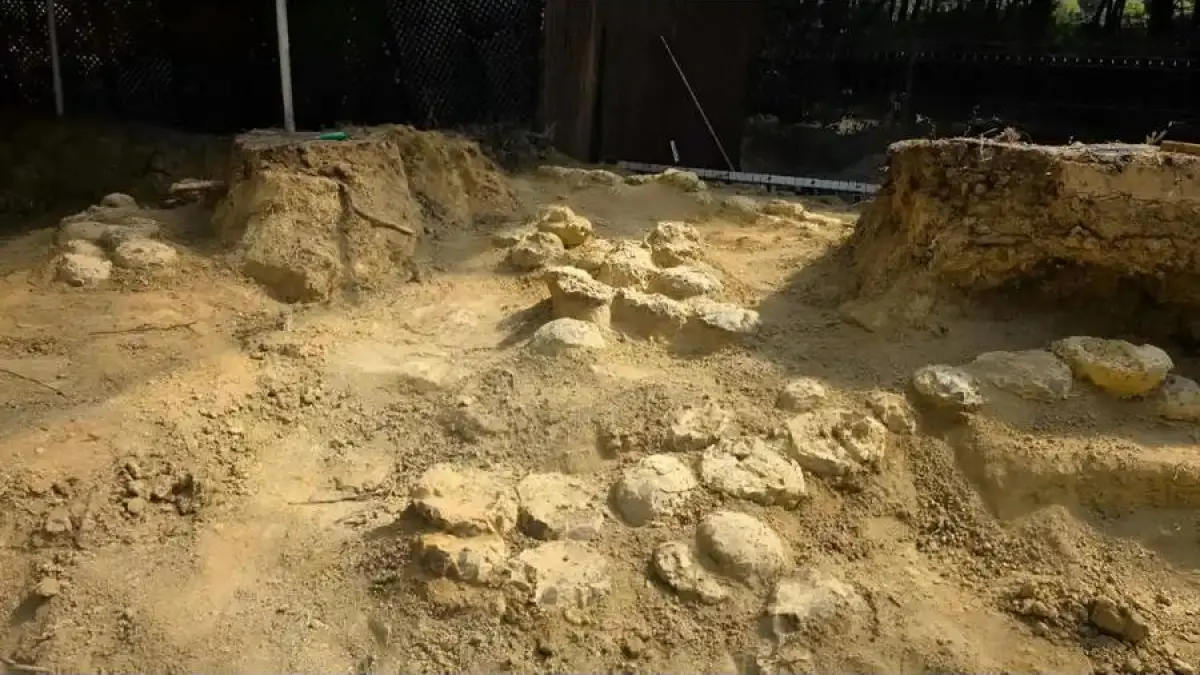
A remarkable paleontological discovery in southern France has revealed a treasure trove of dinosaur eggs, estimated to be around 70 million years old. The find, made by a team from the Musée-Parc des Dinosaures de Mèze, consists of hundreds of eggs belonging to various dinosaur species, offering a rare window into the Late Cretaceous period. This significant find is already being hailed as one of the most important fossil sites in Europe, promising to unlock further secrets about the lives of these prehistoric creatures.
The discovery site, located in the Mèze region, has yielded an unusually large number of dinosaur eggs, suggesting a potential nesting ground. While the exact species represented are still under investigation, the sheer quantity of eggs points to a thriving dinosaur population in the area during the Late Cretaceous. The eggs are remarkably well-preserved, offering scientists a unique opportunity to study dinosaur reproduction and embryonic development. This discovery builds upon previous finds in the region, solidifying southern France as a hotspot for paleontological research.
A Window into the Late Cretaceous
The Late Cretaceous epoch, spanning roughly 100 to 66 million years ago, was the final period of the Mesozoic Era, often referred to as the “Age of Reptiles.” During this time, dinosaurs dominated terrestrial ecosystems, but were facing increasing environmental pressures that ultimately led to their extinction. The dinosaur eggs discovered in France provide crucial evidence about the biodiversity and ecological conditions of this period. Understanding the types of dinosaurs that nested in this region can help reconstruct the ancient environment and the interactions between different species.
The Musée-Parc des Dinosaures de Mèze, the institution leading the excavation, has been actively involved in paleontological research in the region for years. Their expertise and dedication have been instrumental in uncovering this extraordinary find. The team is currently employing advanced imaging techniques and careful excavation methods to ensure the preservation and study of the eggs. The process of extracting and analyzing these fragile fossils is painstaking, requiring specialized skills, and equipment.
What the Eggs Reveal
While the species identification is ongoing, preliminary analysis suggests the eggs represent a diverse range of dinosaurs. Researchers are examining the size, shape, and shell structure of the eggs to determine their taxonomic affiliations. The presence of multiple species in a single nesting ground suggests a complex ecosystem where different dinosaur species coexisted and potentially even shared nesting areas. This challenges previous assumptions about dinosaur behavior and social interactions.
The preservation of the eggs likewise offers the potential to study the embryonic development of dinosaurs. By analyzing the fossilized remains within the eggs, scientists can gain insights into the growth stages, skeletal development, and even the coloration of dinosaur embryos. This information is invaluable for understanding the life cycle of these extinct creatures and their evolutionary relationships. The study of dinosaur embryos is a relatively new field, and this discovery promises to significantly advance our knowledge.
The Significance of the Site
The Mèze region in southern France has emerged as a globally significant paleontological site. The discovery of hundreds of dinosaur eggs adds to a growing body of evidence indicating a rich dinosaur fauna in the area during the Late Cretaceous. The geological conditions in the region, characterized by sedimentary rock formations, have contributed to the exceptional preservation of fossils. This makes the site particularly valuable for paleontological research.
The discovery also highlights the importance of continued paleontological exploration. Many areas around the world remain largely unexplored, and there is a high probability of uncovering further fossil treasures. Funding for paleontological research is often limited, but discoveries like this demonstrate the scientific and cultural value of investing in these endeavors. The Musée-Parc des Dinosaures de Mèze is actively seeking funding to support ongoing research and conservation efforts at the site.
Future Research and Conservation
The excavation and analysis of the dinosaur eggs are expected to continue for several years. Researchers plan to employ a variety of techniques, including CT scanning and microscopic analysis, to gain a comprehensive understanding of the fossils. The data collected will be used to reconstruct the ancient environment, identify the dinosaur species, and study their evolutionary relationships. The findings will be published in scientific journals and shared with the public through museum exhibits and educational programs.
Conservation efforts are also crucial to protect the site from erosion and looting. The Musée-Parc des Dinosaures de Mèze is working with local authorities to implement measures to safeguard the fossil remains and preserve the integrity of the site. Public awareness campaigns are also being conducted to educate the local community about the importance of paleontological heritage. Protecting these fossils for future generations is a shared responsibility.
The discovery of these dinosaur eggs is a testament to the power of paleontological research to unlock the secrets of the past. It provides a tangible connection to a world that existed millions of years ago and offers valuable insights into the evolution of life on Earth. As research progresses, we can expect to learn even more about the dinosaurs that once roamed southern France and the world they inhabited.
Researchers will continue to analyze the eggs and the surrounding sediment layers to gain a more complete understanding of the paleoenvironment. Further excavations are planned for the coming years, with the hope of uncovering additional fossils and expanding our knowledge of dinosaur life in the region. The Musée-Parc des Dinosaures de Mèze will continue to play a central role in this ongoing research effort.
The ongoing research at the Mèze site promises to yield further discoveries and refine our understanding of the Late Cretaceous period. The meticulous work of paleontologists and the application of advanced technologies are essential for unraveling the mysteries of the past. This discovery serves as a reminder of the incredible diversity of life that has existed on Earth and the importance of preserving our planet’s natural heritage.
The team at the Musée-Parc des Dinosaures de Mèze is committed to sharing their findings with the public and inspiring future generations of scientists. Museum exhibits, educational programs, and online resources will be developed to disseminate the knowledge gained from this remarkable discovery. The goal is to make paleontology accessible to everyone and foster a greater appreciation for the wonders of the natural world.
As the research progresses, updates will be provided by the Musée-Parc des Dinosaures de Mèze through their official website and social media channels. The public is encouraged to follow their work and learn more about this exciting discovery. The ongoing analysis of the dinosaur eggs is expected to provide new insights into the lives of these magnificent creatures and their place in Earth’s history.
The discovery of these dinosaur eggs is a significant contribution to our understanding of the Late Cretaceous period and the evolution of dinosaurs. It underscores the importance of paleontological research and the require to protect fossil sites for future generations. The Musée-Parc des Dinosaures de Mèze is dedicated to continuing this important work and sharing their findings with the world.
What do you believe about this incredible find? Share your thoughts in the comments below, and don’t forget to share this article with your friends and family!