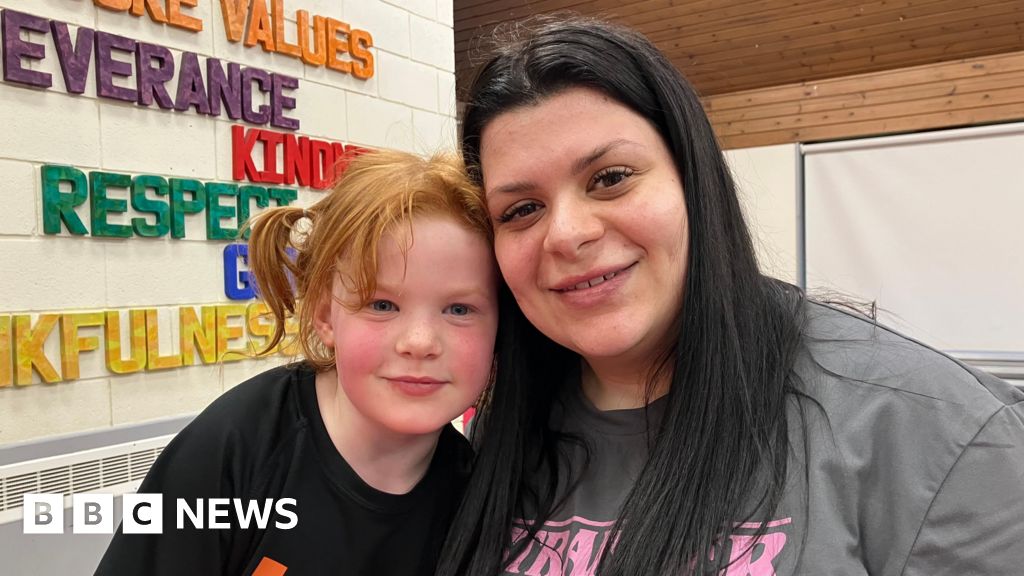
For many children, the local gymnasium is a place of competition and rigid rules. But for a growing number of families seeking inclusive environments, the goal is different: finding a space where kids can be themselves with no judgement. This shift toward adaptive athletics is transforming how communities approach physical education, moving away from a “one size fits all” model toward programs designed specifically for children with additional needs.
The necessity for these specialized spaces often stems from a systemic gap in traditional sports. Many parents report a lack of sports clubs for children with additional needs, leaving a void that is now being filled by grassroots initiatives, municipal programs, and dedicated non-profit organizations. These inclusive spaces prioritize social skills, confidence, and physical wellbeing over traditional scoring or winning.
From adaptive sports in North Carolina to specialized recreation centers across the globe, the movement focuses on removing the barriers—both physical and social—that often sideline children with disabilities. By providing tailored equipment and trained instructors, these programs ensure that every child, regardless of their ability level, has the opportunity to experience the joy of play.
The Rise of Adaptive and Inclusive Sports Programming
The landscape of youth sports is evolving to include “Specialized Recreation,” a term used by various municipal bodies to describe services tailored for persons with disabilities. These programs are not merely modifications of existing sports but are often built from the ground up to be accessible. For instance, the Durham Parks and Recreation department in North Carolina offers a variety of activities ranging from organized sports and Special Olympics to community bingo, ensuring that accessibility is integrated into the facility’s core mission.
One of the most effective models for inclusion is the “Buddy Sports” approach. These programs create opportunities for children with and without disabilities to learn and play together. This integrated environment does more than teach athletic skills; it promotes teamwork, coordination, and balance while fostering empathy and social understanding among all participants. By pairing peers, these programs break down social stigmas and create a genuine sense of community.
Beyond basic skills, specialized programming often targets specific athletic interests through adapted formats. Examples include Challenger Flag Football, which focuses on improving social and athletic skills through practices and games, often supported by charitable grants to ensure the programs remain accessible to the community.
Diverse Opportunities for Physical and Mental Wellbeing
Inclusive recreation extends far beyond the football field or the basketball court. For children and adults with intellectual and developmental disabilities (IDD) and autism, the range of available activities is expanding to include a holistic approach to wellness.
- Adapted Water Sports: Programs like those offered by the British Swim School focus on water safety and skill development, providing a comfortable learning environment in warm, indoor pools for all ages.
- Equine Therapy and Farm Life: Facilities such as E2Horse Farm provide riding lessons and year-round camps, allowing children to interact with animals and nature in a supportive setting.
- Adaptive Arts and Movement: Organizations like Arts Access work to ensure individuals with disabilities have full access to cultural and artistic life, while specialized yoga programs promote strength, flexibility, and mental focus.
- High-Impact Adaptive Sports: Groups such as Bridge II Sports provide specialized equipment for kayaking, cycling, archery, and wheelchair basketball, helping athletes “find the player within” through adapted gear.
These diverse options recognize that “being themselves” looks different for every child. For some, it means the sensory-friendly environment of a yoga studio; for others, it is the high-energy atmosphere of a wheelchair basketball game. The common thread is the removal of judgement and the provision of a safe space to fail, learn, and grow.
Overcoming Barriers to Accessibility
Despite the growth of these programs, the journey to finding a “no judgement” gym is often fraught with challenges. The primary hurdle is the scarcity of specialized clubs, which often forces families to travel long distances or advocate aggressively for inclusion in existing programs.
Municipalities are beginning to address this by appointing specialized staff to navigate these needs. In some regions, such as Apex, North Carolina, the Triangle Disability & Autism Services notes that recreation specialists are available to discuss particular situations and facilitate inclusion in existing programs by request.
The impact of these inclusive spaces extends beyond the physical. When a child is placed in an environment where their specific needs are understood—whether that involves sensory modifications, adapted equipment, or a different style of coaching—the psychological benefit is profound. It shifts the narrative from what the child “cannot do” to what they can achieve, building a foundation of self-confidence that carries over into school and home life.
Key Takeaways for Families Seeking Inclusive Sports
- Look for “Specialized Recreation” labels: Many city parks and recreation departments now have dedicated sections for adaptive activities.
- Inquire about “Buddy” programs: These integrated programs are excellent for social development and fostering peer relationships.
- Explore non-traditional sports: Adaptive cycling, kayaking, and equine therapy often provide unique sensory benefits.
- Request consultations: Many specialized centers offer individual consultations to determine the best equipment and program fit for the child.
As more communities recognize the vital importance of inclusive play, the goal is to move from a few “special” gyms to a world where every sports club is an inclusive club. Until then, the grassroots efforts of dedicated individuals and municipal specialized recreation departments continue to provide the essential, judgement-free spaces where children can simply be children.
For those seeking more information on available programs, local parks and recreation staff directories and online registration systems filtered by “Specialized Recreation” are the most reliable starting points for current seasonal availability.
We invite our readers to share their experiences with inclusive sports or suggest other organizations making a difference in the community in the comments below.
Keep reading