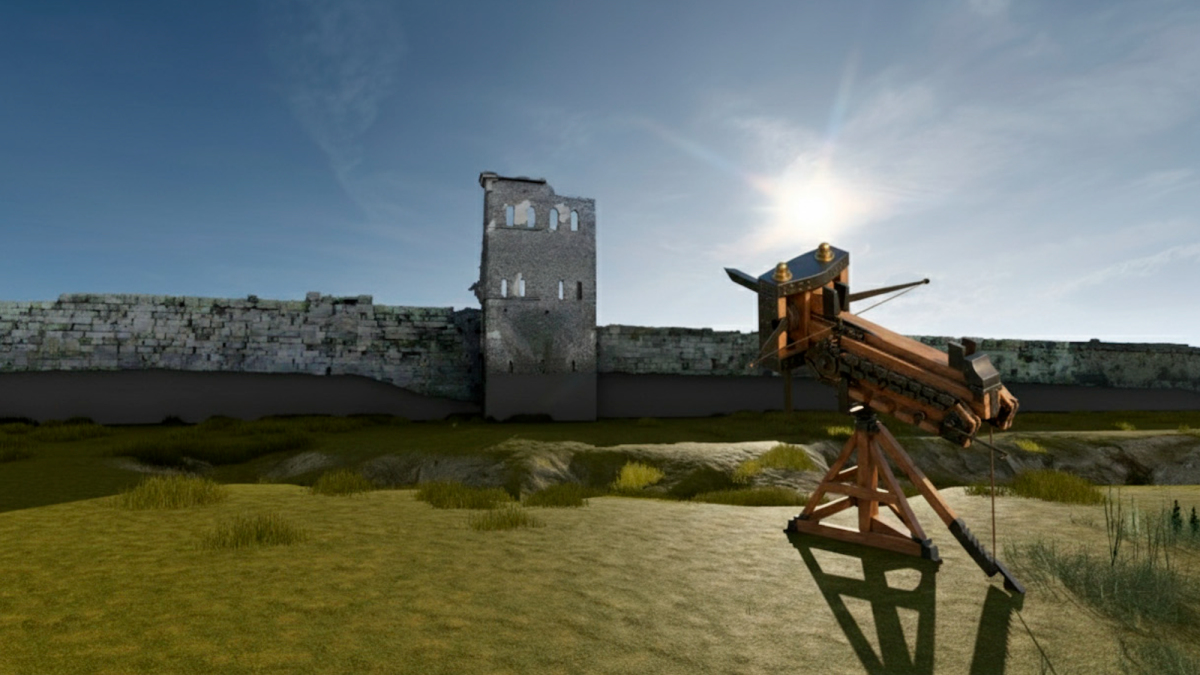
Long before the eruption of Mount Vesuvius froze the city of Pompeii in ash, the city’s stone walls were scarred by a different kind of catastrophe. Fresh evidence suggests that Roman forces deployed a sophisticated, repeating weapon—essentially an ancient machine gun—during a siege more than 2,000 years ago.
Archaeologists from Italy’s University of Campania believe they have found the first physical evidence of the polybolos, a mechanical weapon capable of firing metal-tipped bolts in rapid succession. Whereas the device had been described in ancient texts, it had remained an archaeological mystery until now. The findings, detailed in a study published in the journal Heritage, indicate that this advanced technology was used to breach Pompeii’s defenses long before the city’s famous volcanic demise.
The discovery centers on the siege of 89 BCE, led by the Roman general Lucius Cornelius Sulla. This conflict was part of the Social Wars (91–87 BCE), a series of campaigns where Rome’s autonomous Italian allies fought against Roman rule. Sulla targeted the city’s northern walls, specifically near the Herculaneum and Vesuvio gates, inundating the resistance with heavy artillery fire Polybolos Evidence in Pompeii.
Decoding the ‘Repeating Catapult’
For centuries, the polybolos existed only in the writings of ancient scholars. Invented by the Greek engineer Dionysius of Alexandria during the 3rd century BCE, the weapon was a radical departure from the standard siege tools of the era. While typical ballistae relied on torque-power—similar to a massive crossbow—the polybolos utilized a complex system of mechanical chains and gears.

This design allowed operators to load a magazine with multiple bolts and fire them in quick succession. The ancient writer Philo of Byzantium described the device as a “repeating catapult,” a precursor to automatic weapon technology that would not be seen again for another two millennia.
High-Tech Analysis of Ancient Battle Scars
The challenge for archaeologists has always been the lack of surviving machinery. However, the University of Campania researchers shifted their focus from the weapon itself to the damage it left behind. Using high-resolution laser scans, detailed imaging analysis, and 3D modeling, the team examined impact clusters on Pompeii’s remaining stone walls.
The researchers identified two distinct types of damage. Large, circular dents and chips were consistent with the stone projectiles fired by traditional ballistae. However, other sections of the wall featured small, four-sided pits grouped closely together in fan-shaped distributions.
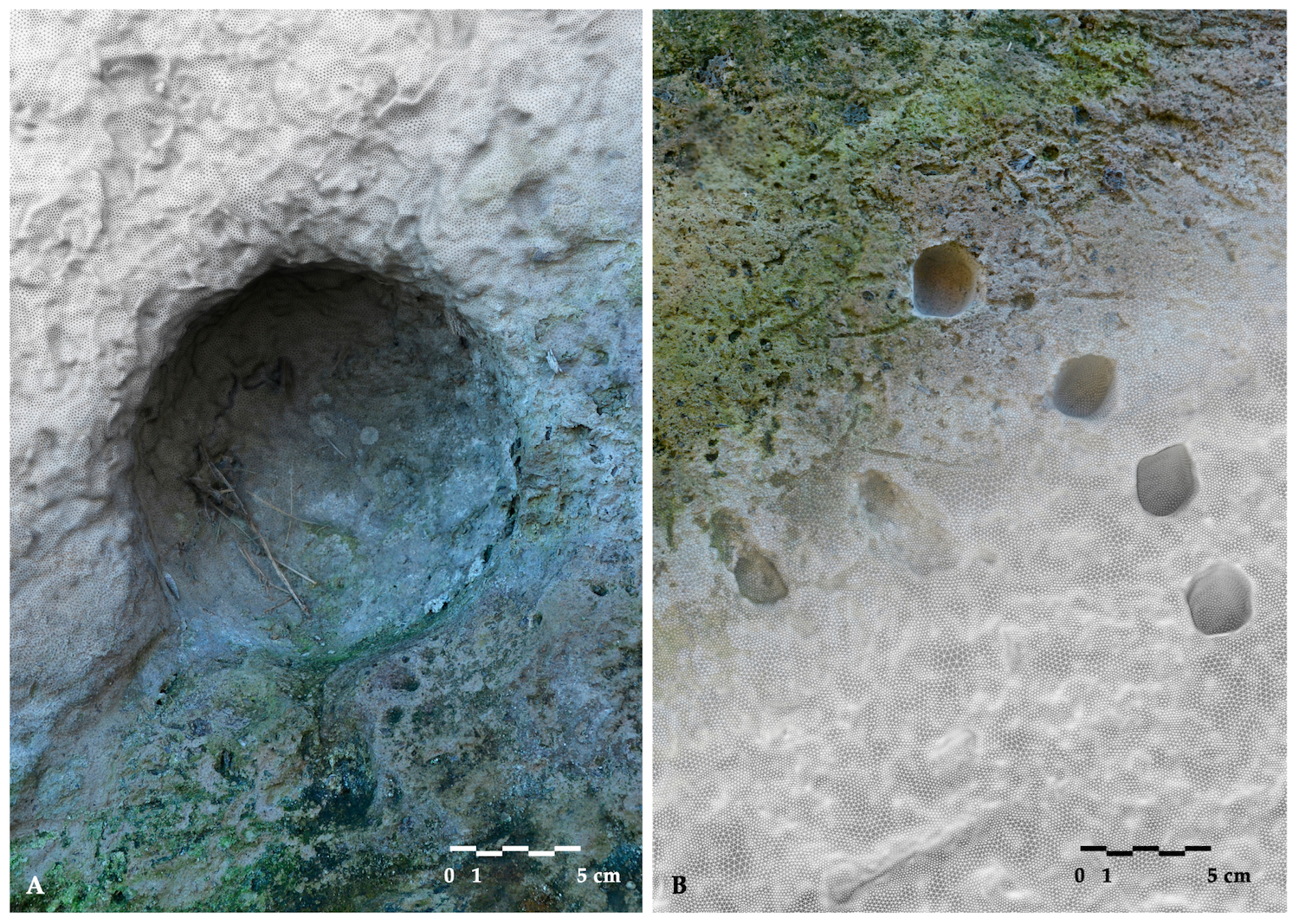
The depth of these indentations—only a few centimeters—suggests they were caused by metal-tipped bolts rather than heavy stone. The regular spacing and fan-like pattern are characteristic of a repeating weapon rather than individual, manually loaded shots, providing strong evidence for the use of the polybolos Advanced Weapon in Pompeii.
Recontextualizing Roman Military Technology
This discovery suggests a sophisticated exchange of military technology in the ancient world. The polybolos originated in the Greek city of Rhodes, predating the Roman Empire’s peak by over 300 years. General Sulla was known to have studied technological breakthroughs from the eastern Mediterranean, implying that Roman forces actively integrated Greek mechanical designs into their own campaigns.
The use of such a device during the siege of 89 BCE highlights a level of mechanical engineering that vanished from warfare for centuries. By combining ancient texts with modern 3D modeling and laser scanning, researchers have effectively bridged the gap between historical accounts and physical reality, proving that the “ancient machine gun” was not just a theoretical design, but a functional tool of war.
As archaeologists continue to analyze the fortifications of Pompeii, these findings may lead to further insights into how the Roman military adapted foreign technology to maintain its dominance across Italy and beyond.
For those interested in the ongoing excavations and technical studies of Pompeii, official updates are typically released through the Italian Ministry of Culture and the University of Campania. We welcome your thoughts on this discovery in the comments below—do you think other “lost” ancient technologies are waiting to be found in the ruins of Pompeii?
Keep reading