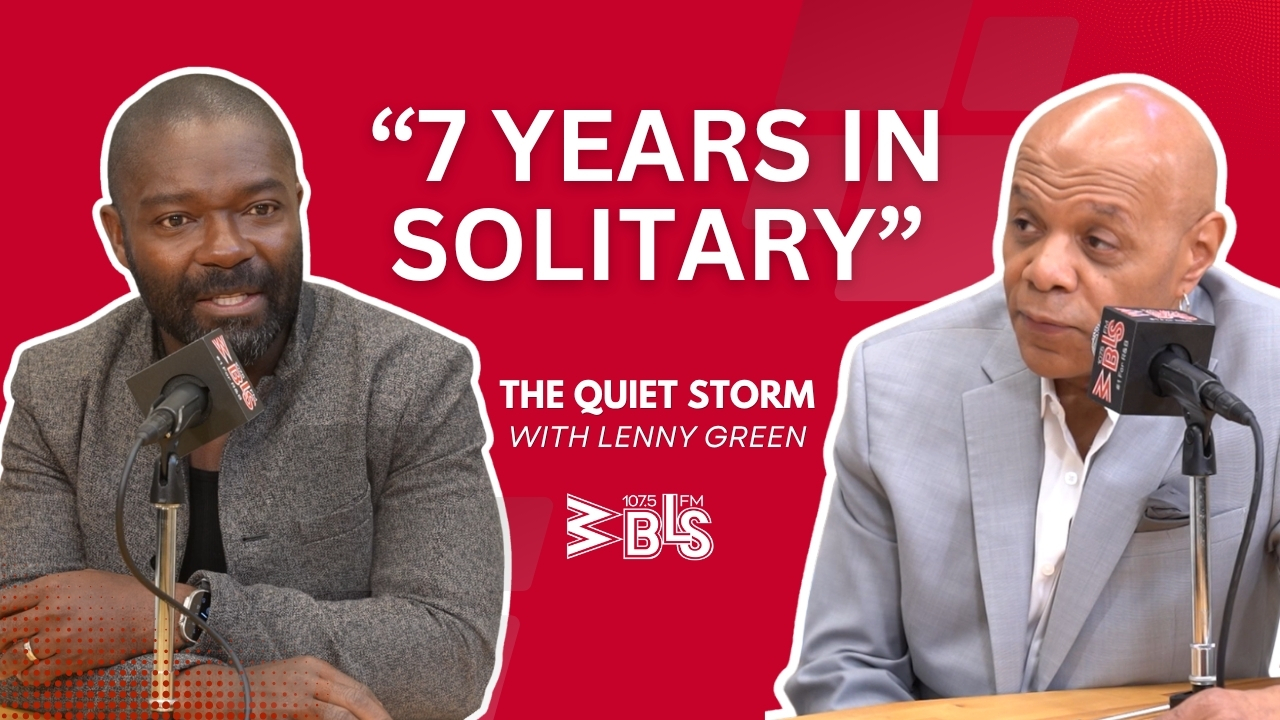
The intersection of artistic ambition and entrepreneurial risk is rarely as visible as it is in the current trajectory of David Oyelowo. For the actor, the upcoming release of the David Oyelowo Newborn movie is more than a return to the screen; it is the flagship launch for a new business model in independent cinema. Through the creation of Mansa Studios, Oyelowo and director Nate Parker are attempting to reclaim the means of distribution in an era where indie films often struggle to find a sustainable path to the public.
Scheduled for a theatrical bow on April 10, 2026, Newborn is a dystopian psychological thriller that explores the harrowing aftermath of extreme isolation. The film follows Chris Newborn, a man attempting to reconstruct his identity and reconnect with his family after enduring seven years in solitary confinement. The project, which was originally titled Solitary and entered production in 2020, faced a tumultuous road to release, hampered by the COVID-19 pandemic and a volatile market for independent distribution.
From a business perspective, the release of Newborn is a strategic case study in exclusive partnership. Rather than pursuing a traditional wide-release strategy, Mansa Studios has secured an exclusive domestic partnership with AMC Theatres. This move allows the production and distribution label to prioritize a theatrical experience whereas maintaining tighter control over the film’s rollout. According to Nikkole Denson-Randolph, Chief Content Officer at AMC Theatres, the partnership supports a release model that prioritizes the big screen for “bold, provocative, and original storytelling.”
The Architecture of Mansa Studios and Independent Distribution
The launch of Mansa Studios represents a shift in power dynamics within the entertainment industry. By establishing their own distribution label, David Oyelowo and Nate Parker are mitigating the risks associated with the “unreleased mystery” phenomenon that plagued Newborn for years. The film’s journey from its 2020 production start to its 2026 release highlights the fragility of the indie film ecosystem, where a lack of distribution can leave high-quality work in limbo regardless of the talent involved.
In recent discussions regarding the business of film, Oyelowo has touched upon the concept of the “rolling break even” in Hollywood distribution—a precarious financial balance that independent creators must navigate. By partnering directly with a major exhibitor like AMC, Mansa Studios is effectively bypassing certain middlemen, aiming for a more direct line to the consumer. This entrepreneurial pivot allows the creators to maintain artistic integrity while exploring the viability of their own streaming platform and distribution infrastructure.
The film’s cast further underscores the project’s scale, featuring Olivia Washington, Barry Pepper, Jimmie Fails, and Aiden Stoxx, all guided by Parker’s direction. The narrative’s focus on the “terrifying psychological battleground” of freedom serves as both a cinematic hook and a social commentary on the realities of the American carceral system, specifically the devastating effects of solitary confinement.
From ‘Selma’ to ‘Newborn’: The Philosophy of the Slow Burn
While Newborn marks a new chapter in business ownership, Oyelowo’s career has been defined by a patient, calculated approach to greatness. He has reflected on the seven-year journey required to bring the film Selma to life, a period of persistence that eventually allowed him to portray Dr. Martin Luther King Jr. This experience informed his belief that young actors should aspire to a “slow burn” career rather than immediate, fleeting stardom.
Oyelowo’s willingness to prioritize artistic growth over immediate financial gain is evidenced by his early career choices. He has noted that he once defied his agents to work with director Ava DuVernay for a sum of $250,000, viewing the collaboration as an investment in his craft rather than a simple paycheck. This philosophy of “the price of greatness” suggests that true artistic and professional longevity requires a willingness to endure periods of uncertainty and a commitment to working with visionary collaborators, such as Forest Whitaker, Daniel Day-Lewis, and Tom Cruise.
This same patience is evident in the handling of Newborn. Despite the film becoming an “unreleased mystery” for several years, the commitment of Oyelowo and Parker to find the right partner—eventually landing AMC Theatres—ensured that the film reached the public on its own terms rather than being rushed into a suboptimal release.
Key Strategic Elements of the ‘Newborn’ Launch
| Element | Details |
|---|---|
| Distribution Label | Mansa Studios (Joint venture: Oyelowo & Parker) |
| Exclusive Partner | AMC Theatres |
| Theatrical Date | April 10, 2026 |
| Original Title | Solitary (Production began 2020) |
| Genre | Dystopian Psychological Thriller |
The Broader Impact of Actor-Led Distribution
The emergence of entities like Mansa Studios signals a broader trend in the entertainment economy: the rise of the “creator-owner.” When high-profile talent moves from being “work-for-hire” to owning the distribution pipeline, it changes the risk profile of independent cinema. It allows for the production of “bold and provocative” stories that might be deemed too risky for major studios but have a dedicated audience that can be reached through targeted partnerships.

For Oyelowo, the role of Chris Newborn is not just a performance but a vehicle for exploring the psychological toll of the U.S. Prison system. By controlling the distribution, Mansa Studios can ensure that the conversation surrounding solitary confinement remains central to the film’s marketing and reception, rather than being diluted by studio mandates.
As the industry continues to grapple with the balance between streaming convenience and the prestige of the cinema, the AMC exclusivity deal for Newborn serves as a test case. If successful, it could provide a blueprint for other independent creators to bypass the traditional studio system and build their own sustainable empires.
The next confirmed milestone for the project is the official theatrical opening on April 10, 2026, with tickets having gone on sale on March 27th. This release will determine the initial commercial viability of the Mansa Studios model and the public’s appetite for high-concept, dystopian psychological thrillers in the current market.
Do you believe actor-led distribution labels are the future of independent cinema, or is the risk of bypassing major studios too great? Share your thoughts in the comments below.
Worth a look