
The global effort to combat environmental degradation has reached a critical juncture, but for many, the clock is ticking faster than the policy. In the struggle for climate change adaptation in overseas territories, there is a growing consensus that the response has been insufficient, leaving vulnerable regions to face escalating threats with tools that are often outdated or inadequate.
These territories, often geographically isolated and ecologically fragile, find themselves on the front lines of a crisis they did little to create. From rising sea levels to the increased frequency of extreme weather events, the physical reality of a warming planet is not a future projection for these regions—it is a current, daily struggle for survival and stability.
While national frameworks exist to address these challenges, the gap between high-level strategy and local implementation remains wide. The urgency of the situation suggests that these regions are not merely behind schedule, but are facing a deficit in readiness that could take years, if not decades, to rectify.
The Front Line of Environmental Vulnerability
Overseas territories are disproportionately exposed to the most severe impacts of global warming. According to reports from Réseau Action Climat, these territories are positioned “on the front line” of climate change impacts. This vulnerability is driven by a combination of geographic location, dependence on coastal infrastructure and the high intensity of tropical weather systems.
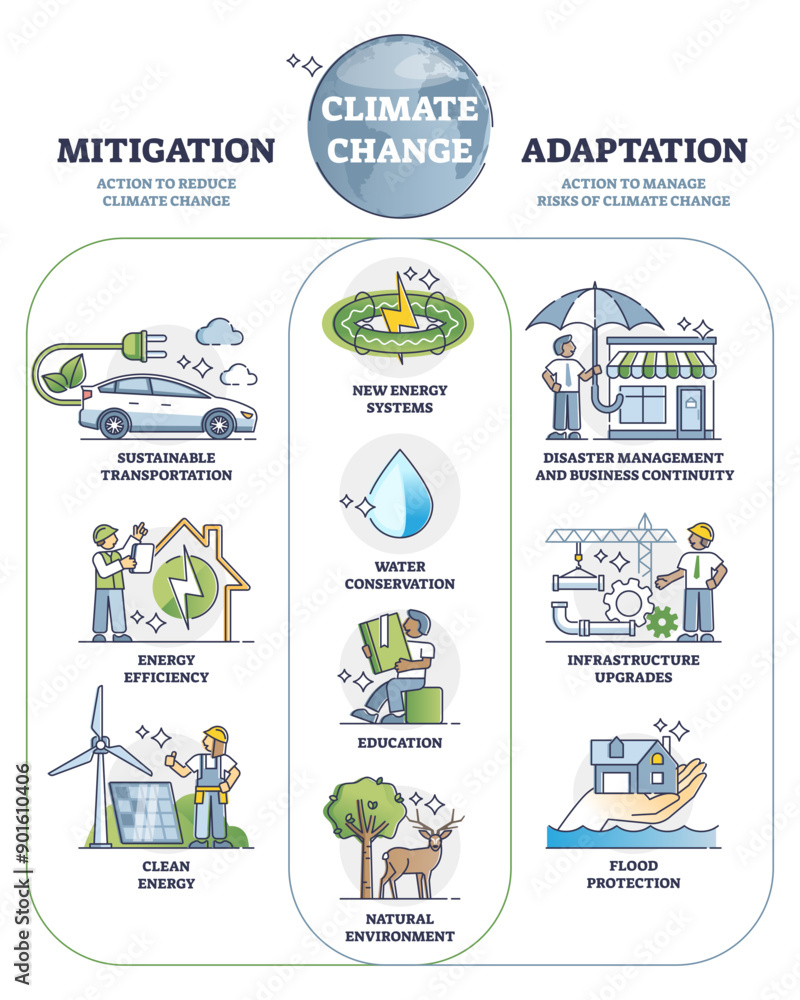
The consequences are multifaceted. Coastal erosion is reclaiming land, threatening both residential areas and critical infrastructure. Simultaneously, the intensification of storms and hurricanes creates a cycle of destruction and reconstruction that drains local resources and hinders long-term sustainable development. For these communities, climate change adaptation in overseas territories is not a policy preference but a necessity for territorial integrity.
Policy Frameworks and the Implementation Gap
To address these systemic risks, governments have introduced broad strategic plans. A primary example is France’s National Adaptation Plan to Climate Change 2 (2018-2022), which aimed to integrate climate resilience into national policy. However, the transition from a national plan to local action often encounters significant friction.
The perception of being “decades behind” stems from the lag between the identification of risks and the deployment of tangible defenses. While the PNACC 2 provided a roadmap, the actual execution of adaptation measures—such as relocating vulnerable populations or reinforcing coastal barriers—often moves at a bureaucratic pace that cannot keep up with the accelerating pace of environmental decay.
Learning from Localized Adaptation
One of the most effective ways to bridge the adaptation gap is by analyzing and scaling successful local interventions. Research conducted by the Haut-commissariat à la stratégie et au plan has focused on extracting lessons learned from specific territories to improve broader adaptation strategies.
These lessons emphasize that a “one size fits all” approach is ineffective. Adaptation must be tailored to the specific topography, economy, and social fabric of each territory. Key takeaways from these studies suggest that success depends on:
- Local Stakeholder Engagement: Ensuring that those most affected by climate risks are involved in the design of the solutions.
- Integrated Risk Management: Combining environmental protection with urban planning and economic diversification.
- Agile Funding Mechanisms: Creating financial pathways that allow for rapid response to emerging climate threats rather than relying on rigid multi-year budget cycles.
Key Takeaways on Territorial Adaptation
| Challenge | Existing Response | Critical Gap |
|---|---|---|
| Coastal Erosion | National Adaptation Plans (e.g., PNACC 2) | Sluggish implementation of physical barriers |
| Extreme Weather | Emergency response protocols | Lack of long-term resilient infrastructure |
| Resource Isolation | Centralized government funding | Need for localized, agile financial autonomy |
The path forward requires a shift from reactive disaster management to proactive resilience. This means not only funding the walls and levees of today but reimagining how these territories function in a world where the environment is permanently altered.
The next critical milestone for these regions will be the evaluation of updated adaptation strategies following the conclusion of previous national plan cycles, which will determine if the “decades of delay” can be shortened through accelerated investment and localized expertise.
Do you believe national governments are doing enough to protect their most vulnerable overseas territories? Share your thoughts in the comments below or share this article to join the conversation.
Keep reading