
The integration of artificial intelligence into chronic disease management is moving from theoretical potential to clinical application. A recent randomized clinical trial published in the Journal of the American Medical Association (JAMA) has demonstrated that an AI-driven Diabetes Prevention Program can achieve results comparable to those provided by human health coaches for adults struggling with prediabetes and overweight or obesity.
For millions of individuals globally, the transition from prediabetes to type 2 diabetes is a critical window for intervention. Traditional Diabetes Prevention Programs (DPP) rely heavily on human coaching to drive behavioral changes in diet and physical activity. However, the ability of a fully automated system to replicate these outcomes marks a significant shift in how public health systems might scale preventative care.
According to the study published on February 23, 2026, the AI-led intervention achieved noninferior weight loss and glycemic improvements when compared to the standard human-coach model via JAMA Network. This suggests that AI can effectively enhance behavioral modifications necessary to stabilize blood sugar levels and reduce body mass in high-risk populations.
Defining Noninferiority in AI Health Interventions
In medical research, “noninferiority” does not mean a new treatment is “better” than the old one, but rather that it is not significantly worse beyond a pre-specified margin. This is a crucial distinction when evaluating an AI-driven Diabetes Prevention Program against a gold-standard human intervention.
Following the publication of the trial, researchers addressed specific inquiries regarding the trial’s design, particularly the “noninferiority margin”—the threshold used to determine if the AI was “close enough” to the human coach’s performance. In a formal reply to comments raised by Drs. Esteban Zavaleta-Monestel and Sebastián Arguedas-Chacón via Clinical Trials, the study authors clarified their methodology.
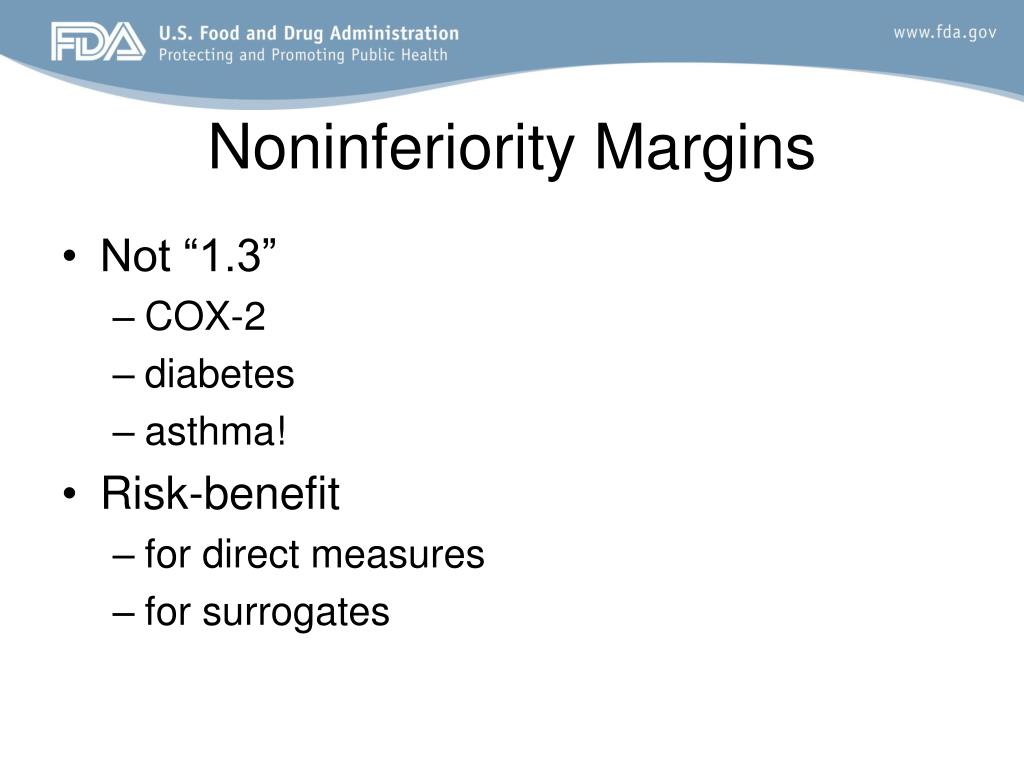
The researchers stated that they applied guidance from the U.S. Food and Drug Administration (FDA) to establish this margin. Specifically, the goal was to preserve at least half of the effect demonstrated by the human-led DPP in its original efficacy-establishing trial. To ensure the results were robust, the authors noted they selected an even more conservative margin for clinical acceptability.
Why the Noninferiority Margin Matters
The margin of noninferiority is essential because it prevents a study from claiming “equivalence” simply because the sample size was too small to detect a difference. By adhering to FDA guidance and choosing a conservative threshold, the researchers aimed to ensure that the AI’s benefits were clinically meaningful and not merely a statistical fluke.
This approach is particularly important in diabetes prevention, where small differences in weight loss or glycemic control can have compounding effects on a patient’s health over several years. The use of a conservative margin provides a higher level of confidence that the automated program delivers a substantial portion of the benefit seen in traditional coaching.
The Role of AI in Behavioral Health
The success of an AI-driven approach in this context highlights the evolving nature of behavioral health. The program’s ability to drive weight loss and glycemic improvements suggests that the core components of the DPP—such as tracking, goal setting, and motivational feedback—can be effectively digitized.
For many patients, the barriers to entering a human-led DPP include cost, scheduling conflicts, and a lack of local providers. An automated system removes these hurdles, potentially increasing the reach of preventative medicine to underserved populations who might otherwise progress to a full diabetes diagnosis.
However, the transition to AI is not without scientific scrutiny. The debate between the trial authors and critics like Zavaleta-Monestel and Arguedas-Chacón emphasizes the need for rigorous validation when replacing human interaction with algorithms in clinical settings.
Addressing the Long-Term Outlook
While the short-term metrics of weight loss and glycemic improvement are promising, the ultimate goal of any Diabetes Prevention Program is the reduction of long-term diabetes incidence. This is where the current research identifies a critical gap.
The authors of the study have acknowledged that the effects of the AI-led DPP on the actual incidence of diabetes over a long-term period warrant further study. While blood sugar markers (glycemic improvements) are strong predictors of health, they are surrogate endpoints. The “gold standard” for success remains whether the patient actually avoids developing type 2 diabetes over several years.
Future research will likely focus on whether the motivational impact of an AI can be sustained over years, or if “AI fatigue” leads to a drop-off in adherence compared to the accountability provided by a human coach.
Key Takeaways from the AI-DPP Trial
- Comparable Results: A fully automated AI program achieved noninferior results in weight loss and glycemic control compared to human coaches.
- Regulatory Rigor: The study utilized FDA guidance to ensure the AI preserved at least 50% of the effect seen in human-led trials.
- Target Population: The findings specifically apply to adults with prediabetes who are also overweight or obese.
- Knowledge Gap: Further research is required to determine if AI can reduce the long-term incidence of type 2 diabetes as effectively as humans.
What This Means for the Future of Preventative Care
The shift toward AI-driven interventions represents a potential paradigm shift in public health. If automated programs can maintain clinical efficacy, the “bottleneck” of human staffing in preventative care could be eliminated, allowing for a more proactive approach to managing the global diabetes epidemic.
For healthcare providers, this does not necessarily mean the end of human coaching, but rather a shift in how those resources are allocated. Human coaches may move toward managing the most complex, high-risk cases, while AI handles the baseline behavioral support for the broader prediabetic population.
As we wait for long-term data on diabetes incidence, the current evidence suggests that AI is a viable tool for the initial stages of metabolic intervention. For those currently managing prediabetes, the availability of such tools could provide a flexible, accessible path toward improving their health markers.
The medical community now looks toward follow-up studies to confirm if these early wins in weight loss translate into a lifetime of avoided illness. For updated information on clinical trial results and FDA guidance on digital health interventions, patients and providers are encouraged to monitor official publications in PubMed and other peer-reviewed medical databases.
Do you believe AI can replace the empathy and accountability of a human health coach? Share your thoughts in the comments below or share this article with your healthcare provider.
Worth a look