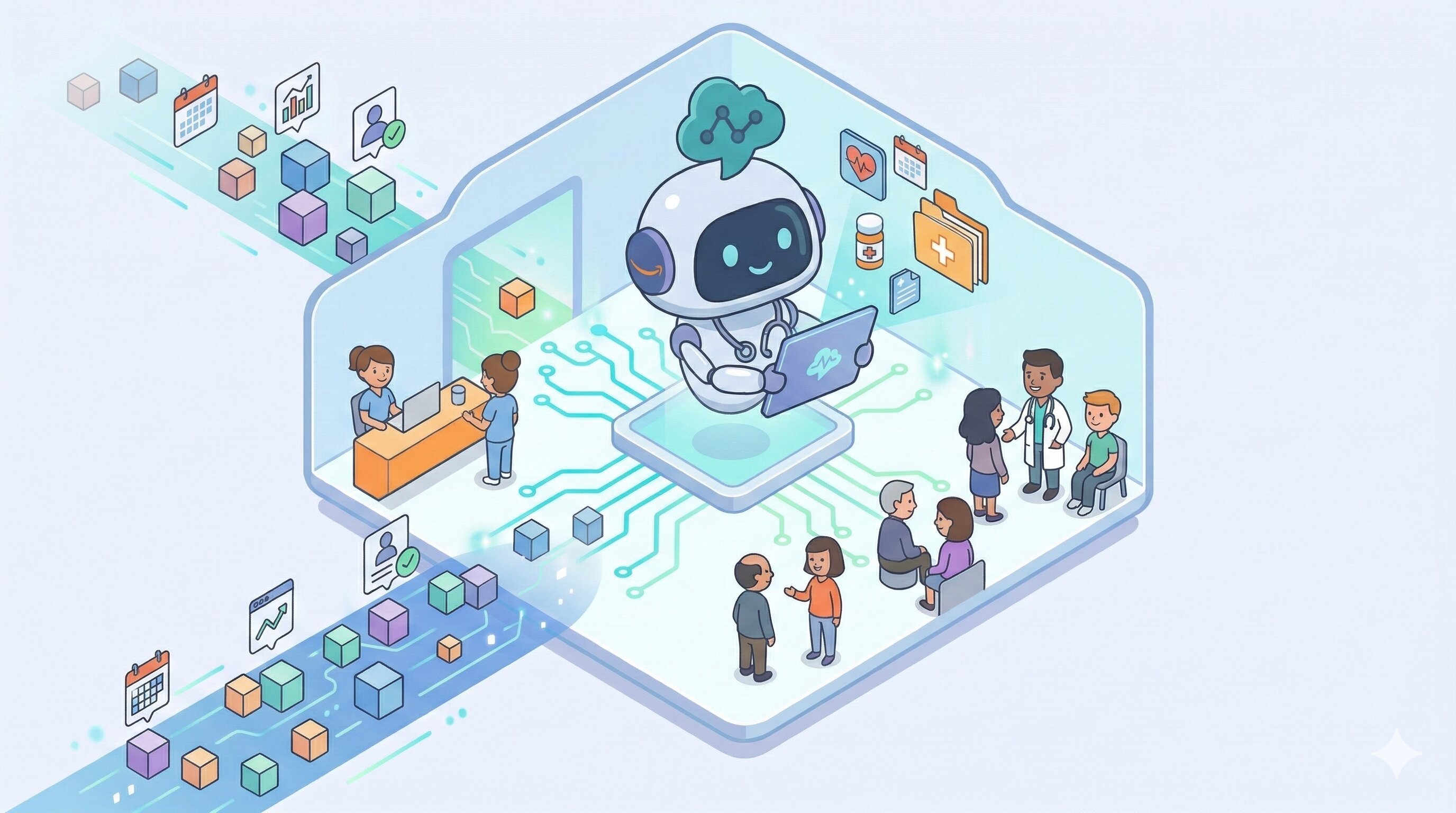
Utah is venturing into a new frontier of digital health with a pilot program that allows an AI chatbot to handle the renewal of specific psychiatric prescriptions. The initiative, developed by Legion Health, aims to alleviate the administrative burden on clinicians and improve continuity of care for stable patients in a state where mental health access is often strained.
This is not a broad mandate for “AI doctors.” Instead, the Utah AI chatbot psychiatric prescription pilot is a highly constrained operational tool. The system is designed specifically to handle routine renewals for a narrow set of non-controlled medications, ensuring that the AI does not diagnose new conditions or initiate new treatments.
Approved by Utah’s Office of Artificial Intelligence Policy, the 12-month pilot operates under a framework of human escalation and phased audits. By targeting the “administrative and continuity-of-care burden,” Legion Health is positioning the technology as a lever to increase clinician capacity rather than a replacement for psychiatric expertise.
Strict Eligibility and Medication Constraints
To mitigate clinical risk, the pilot implements rigorous eligibility criteria. The AI cannot simply process any request; it is limited to patients who meet a specific set of stability markers. Specifically, patients must have been originally prescribed their medication by a licensed psychiatrist and must have remained clinically stable for at least one year without any hospitalizations. The system is unavailable to any patient with a new psychiatric diagnosis.
The scope of medication is equally restricted. The AI is authorized to renew only existing prescriptions for non-controlled psychiatric medications at the same dose. According to verified reports, the system is specifically enabled for the renewal of fluoxetine (Prozac) and sertraline (Zoloft) for these stable patients.
Risk Mitigation and Human Oversight
The pilot is built on a foundation of “constrained automation.” As the stakes of psychiatric medication are high, the workflow includes human oversight to ensure data integrity and accountability. The phased audit process allows regulators to monitor the AI’s performance and ensure that the automated renewals adhere strictly to the established safety guidelines.
This cautious approach follows previous digital-health experiments in the state. A prior pilot known as Doctronic was withdrawn following reports that it provided unsafe and conspiratorial medication recommendations. The Legion Health rollout represents a recalibration, moving away from broad AI application toward a tightly governed, specific use case.
The Impact on Mental Health Access
The primary driver behind this pilot is the finite capacity of human clinicians. In many regions, the time required to process routine refills can create bottlenecks, delaying care for patients who require more complex interventions. By automating the most stable, low-risk renewals, the state hopes to free up psychiatric professionals to focus on higher-risk terrain, such as diagnosis and the initiation of new medication regimens.

However, the move has sparked a broader debate regarding the balance between mental health access and patient safety. While the narrow eligibility requirements—such as the one-year stability rule—are designed to protect patients, the shift toward automation in mental health remains a point of contention among healthcare providers and regulators.
Key Takeaways of the Legion Health Pilot
- Limited Scope: The AI only renews existing, non-controlled prescriptions at the same dose; it cannot diagnose or start new treatments.
- Specific Medications: Automation is currently limited to fluoxetine (Prozac) and sertraline (Zoloft).
- Strict Patient Criteria: Eligible patients must be stable for at least one year, have no new diagnoses, and have no recent hospitalizations.
- Regulatory Guardrails: The 12-month pilot was approved by Utah’s Office of Artificial Intelligence Policy and includes human escalation and phased audits.
- Operational Goal: The system aims to reduce administrative burdens on licensed psychiatrists to improve overall clinic capacity.
What Happens Next
The program is currently operating as a 12-month pilot. The success of the initiative will likely depend on the results of the phased audits and the ability of the system to maintain clinical safety without increasing the risk of medication errors. As the pilot progresses, the data collected will inform whether such a model can be safely scaled or if the constraints must remain as narrow as they currently are.
We invite our readers to share their thoughts on the integration of AI into psychiatric care in the comments below. Do you believe constrained automation is the right path for improving healthcare access?