
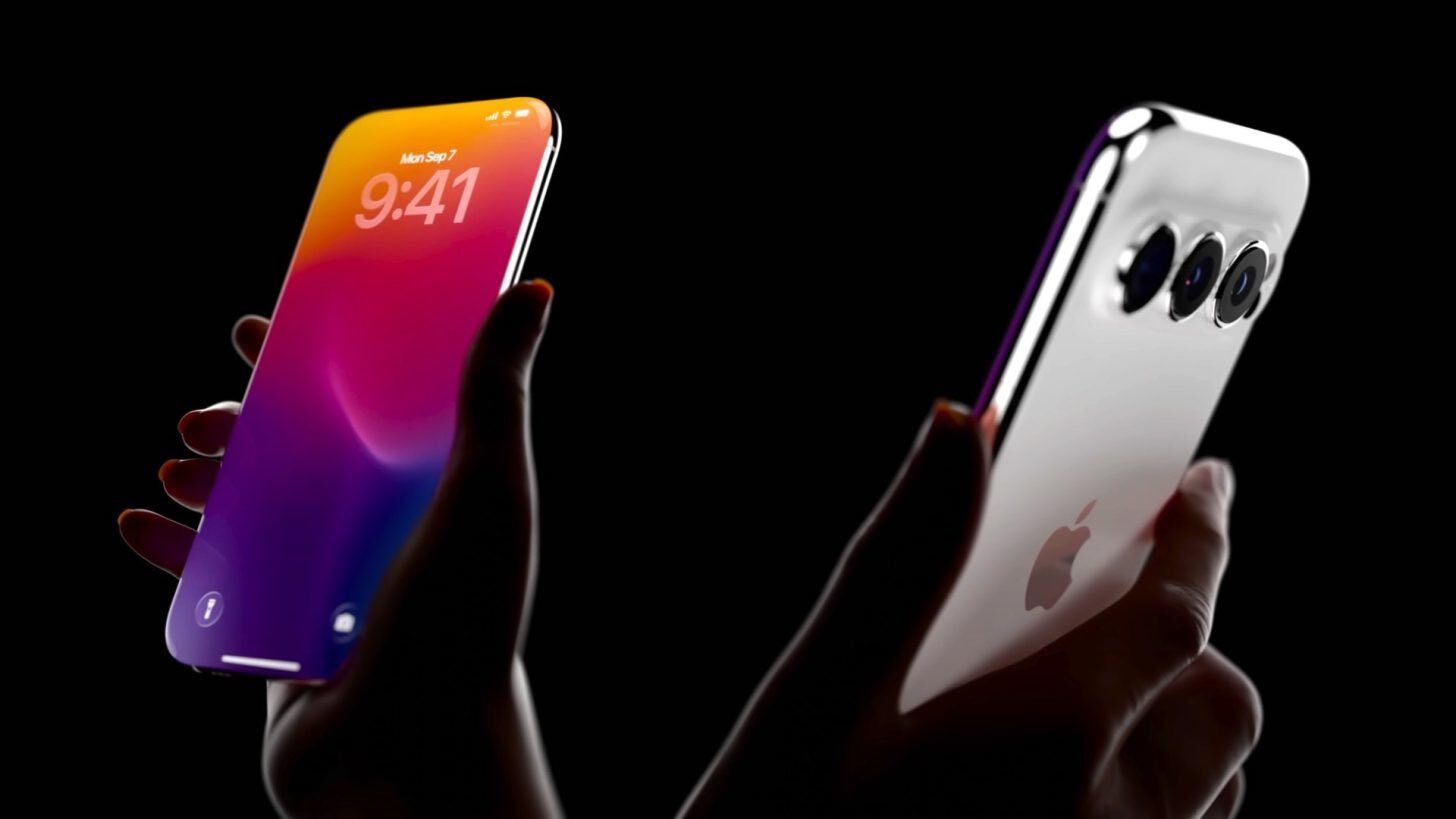
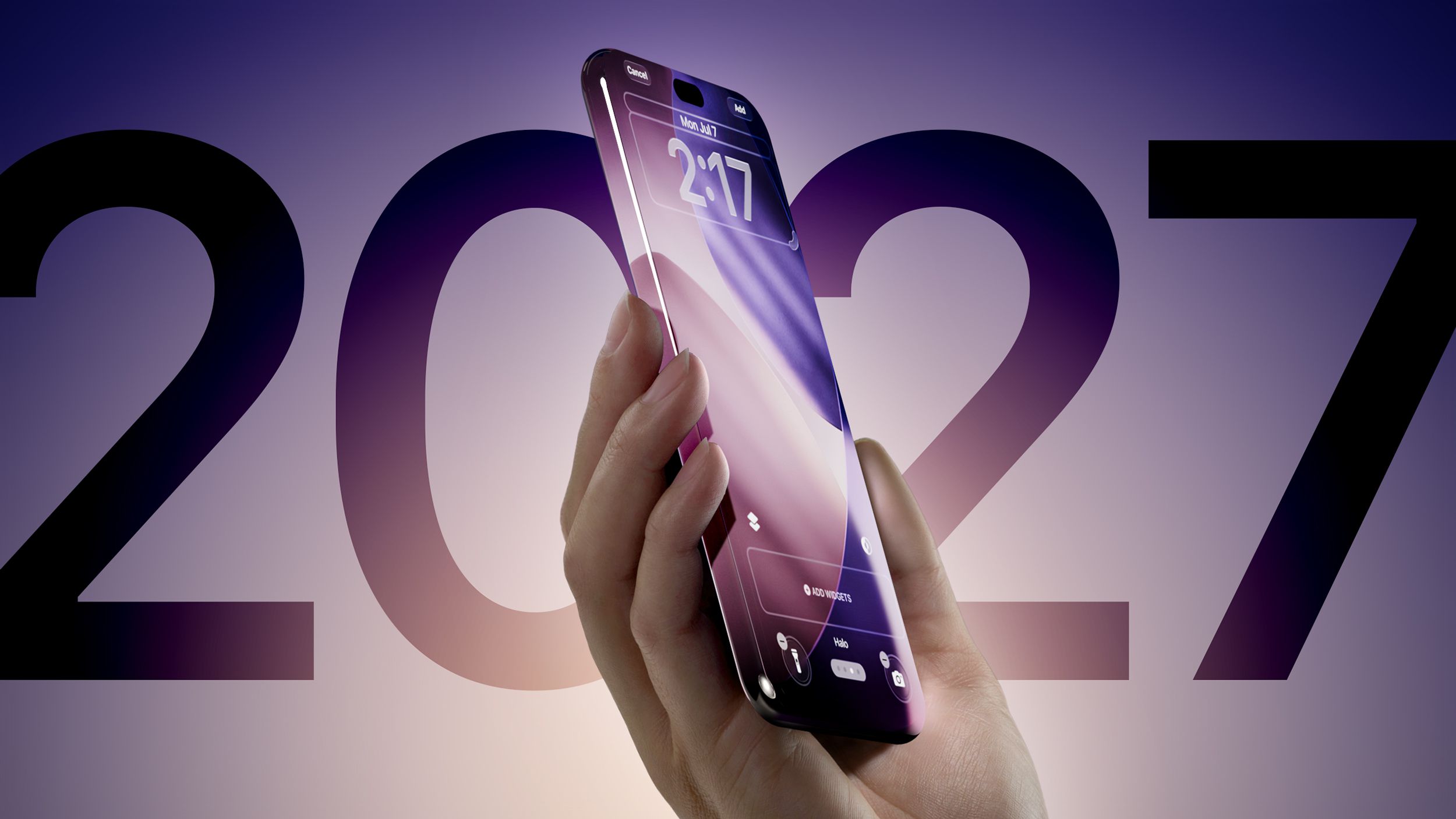
Apple is expected to launch a 20th anniversary iPhone in the fall of 2027, featuring a massive redesign characterized by a quad-curved, all-glass body. According to multiple reports, the device may skip the “iPhone 19” name to debut as the iPhone 20 or iPhone XX, mirroring the naming jump seen with the iPhone X.
The first iPhone launched in June 2007, placing the official 20th anniversary on June 29, 2027. While the date falls in early summer, Apple typically reserves high-end launches for September. This pattern mirrors the 2017 release of the iPhone X, which marked the 10th anniversary despite the original device’s June debut. The upcoming model is positioned to be the most significant overhaul since that 2017 redesign, potentially defining the company’s hardware direction for the next decade.
The Glasswing Design and Quad-Curved Display
Apple is reportedly pursuing a single slab of glass
aesthetic, a long-term vision previously associated with Jony Ive. To achieve this, the device—codenamed “Glasswing”—is expected to feature glass wrapping around the front and back. This design would include a display that curves down around all four edges, creating a borderless effect.

Unlike the aggressive “waterfall” curves found on some Samsung panels, Apple is reportedly seeking an equal-depth quad-curved design with shallow “micro-curves.” This approach aims to reduce on-screen content distortion and make edge swipes feel more natural. To protect the OLED panel from air and moisture, Apple will likely use an ultra-thin film encapsulation layer. This engineering shift could allow for a bezel of 1.1mm, a reduction from the 1.44mm found on the iPhone 17 Pro.
The physical build may also see a return to a glass back. While this increases fragility, sources suggest production facilities have already been renovated to support this manufacturing quality, which is said to be on par with the first-generation iPhone Air.
Under-Display Sensors and Display Tech
A central goal for the anniversary model is the removal of visible cutouts. Apple intends to move the Face ID system beneath the panel using spliced micro-transparent glass
to allow infrared sensors to pass through the screen. While some reports suggest the front-facing camera and speaker will also sit under the screen, DSCC’s Ross Young has noted that the technology may not be fully ready by 2027, meaning a smaller Dynamic Island could remain.
The display hardware itself is expected to evolve through a Samsung-made panel using Color Filter on Encapsulation. This technique removes the polarizing film and applies the color filter directly to the encapsulation layer, which reduces the thickness of the display stack, increases brightness, and lowers power consumption. To ensure uniform lighting across the curved edges, Apple is reportedly employing a crater-shaped light diffusion layer.
Hardware Specifications and 7-Inch Screen Options
Apple is planning two size options for the anniversary lineup, roughly matching the 6.3-inch and 6.9-inch footprints of the iPhone 18 Pro and Pro Max. However, macworld.com reports that Apple is testing a 7-inch screen for the larger model. Due to slimmer bezels and the all-screen design, Apple is expected to market this as the largest iPhone display ever produced.
Internal performance will be driven by a second-generation 2-nanometer “A21” chip, which will be shared with a second-generation foldable iPhone. To further boost speeds, Apple is considering the use of mobile High Bandwidth Memory (HBM), a form of DRAM that stacks memory chips vertically using through-silicon vias.
Camera Overhauls and Solid-State Controls
The camera system is slated for a significant upgrade, specifically the transition to a 200MP sensor for the main camera, matching the specifications of Samsung’s Ultra Galaxy S series. Apple is reportedly developing its own stacked image sensor using LOFIC technology, which allows pixels to store varying amounts of light and could potentially reach 20 stops of dynamic range. Additionally, the ultrawide lens is expected to gain optical image stabilization to reduce jitter in video recording.
Physical buttons may be replaced entirely. Under a revived “Project Bongo,” Apple aims to replace the Side, volume, Action, and Camera Control buttons with solid-state haptic equivalents integrated into the frame. These buttons have reportedly passed tests for use with wet hands, gloves, and extreme temperatures. An ultra-low energy microprocessor would keep these haptic controls functional even if the battery is depleted or the phone is powered off.
Battery Innovation and Audio Changes
To support the new design and add functionality, Apple is rumored to introduce reverse wireless charging. This would be enabled by a shift toward silicon carbon batteries—a technology already used by Chinese manufacturers like Huawei and Oppo—which allows for higher capacity within the same physical footprint. Samsung also adopted silicon carbon for its Z Fold 8 and Z Fold 8 Ultra in July.
In a more radical departure, some reports suggest Apple may remove the bottom speaker grill. Instead, the device would use vibration technology
to generate sound without a cutout, a feature allegedly debuting first on an OLED iPad mini later this year.
| Feature | Rumored Specification |
|---|---|
| Display | Quad-curved, all-glass, 6.3″ and 7″ options |
| Processor | 2nm “A21” chip |
| Main Camera | 200MP sensor with LOFIC technology |
| Controls | Solid-state haptic buttons (Project Bongo) |
| Battery | Silicon carbon with reverse wireless charging |
Worth a look