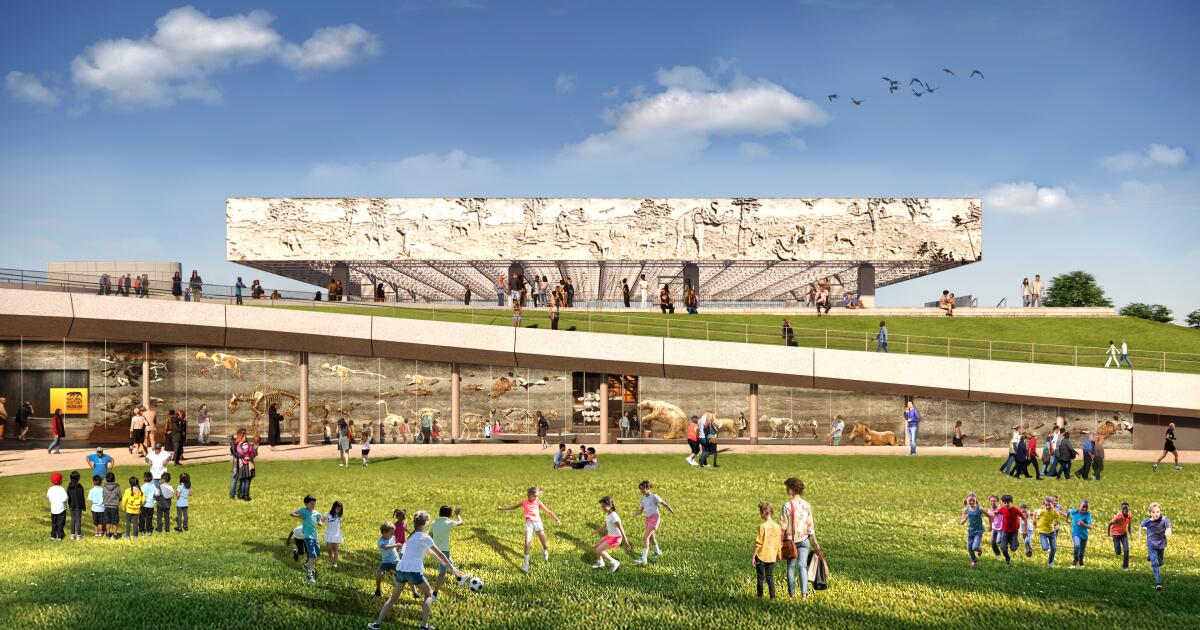
Los Angeles is preparing for a historic transformation of one of its most iconic scientific landmarks. The Natural History Museums of Los Angeles County is moving forward with a multi-year plan to overhaul the 13-acre La Brea Tar Pits, the richest Ice Age fossil site on Earth, marking the first major renovation of the site in nearly half a century.
The ambitious project, known as “Reimagine,” seeks to modernize the visitor experience and enhance the site’s research capabilities. While the museum has been a beloved destination for generations since the museum at La Brea Tar Pits first opened to the public in 1977, this latest initiative will bring the facilities into the modern era, integrating the museum more seamlessly with the surrounding landscape of Hancock Park.
Led by the architecture firm WEISS/MANFREDI, the transformation will touch every corner of the campus, from the exhibition spaces and research facilities to the public park grounds. The goal is to allow visitors of all ages to engage more deeply with the scientific process while enjoying a more sustainable and accessible environment.
Phase One: The Page Museum Overhaul
The first stage of the master plan focuses heavily on the 69,000-square-foot Page Museum. According to a report from January 15, 2026, the Los Angeles County Board of Supervisors has approved an updated approach for this revamp, which includes the renovation and expansion of the existing museum building to modernize the facility.
Beyond the walls of the Page Museum, the initial phase will involve the removal and expansion of berms within the campus. This reconfiguration is designed to create new outdoor learning spaces and improve access points to the museum. The project will see the replacement or addition of lighting, signage, furniture, and landscaping across the 13-acre site to improve the overall visitor flow.
We see important for visitors to note the updated timeline for these changes. Phase one construction is expected to commence in September 2026, with a projected completion date of June 2028 as approved by county officials.
A New Hub for Ice Age Research
A centerpiece of the reimagined campus will be the Samuel Oschin Global Center for Ice Age Research. This scientific research hub is a landmark gift from the Mr. And Mrs. Samuel Oschin Family Foundation and is intended to serve as the intellectual core of the site to illuminate how ancient ecosystems responded to mass extinction.
The center will focus on the lessons learned from ancient climate change and how those insights apply to the modern world. By expanding the research and preservation facilities, the Natural History Museums of Los Angeles County aims to better showcase the scientific process to the public while protecting the incomparable collection of Ice Age fossils.
While the research center is a highlight of the overall vision, some elements of the broader master plan are scheduled for later phases. The construction of new entrance pavilions, additional walkways, and the new research building will be delayed beyond the initial phase, and the relocation of the museum parking lot will not occur during the first stage of operate per the updated implementation plan.
Funding the Transformation
The scale of the project is matched by its budget. The initial phase of the master plan is expected to cost $234 million according to staff reports. Funding for this phase is being sourced through a combination of public and private contributions:

- Los Angeles County: Providing $22 million toward the project.
- The Los Angeles County Museum and Natural History Foundation: Has raised or received pledges for more than $105 million of the remaining $212 million required to build the project.
Preserving the Iconic Landscape
Despite the extensive modernization, the “Reimagine” plan emphasizes the preservation of the site’s most beloved features. The project will retain the museum’s historic frieze and will focus on enhancing accessibility to the iconic sloped grassy hills to maintain the site’s aesthetic character.
One of the most anticipated additions to the landscape is a new 1-kilometer looping pedestrian walkway. This path will weave past the bubbling lake pits and lead visitors through gardens planted with historical species, effectively telling the story of the La Brea Tar Pits through a curated journey of nature and science through the gardens and pits.
Key Project Details at a Glance
| Feature | Detail |
|---|---|
| Lead Architect | WEISS/MANFREDI |
| Phase 1 Start Date | September 2026 |
| Phase 1 Completion | June 2028 |
| Phase 1 Cost | $234 million |
| Museum Size | 69,000 square feet (Page Museum) |
| Site Area | 13 acres |
This transformation represents a significant investment in both the scientific community and the cultural fabric of Los Angeles. By balancing the need for sustainable infrastructure and modern accessibility with the preservation of its historic identity, the La Brea Tar Pits will ensure that its portal to the Ice Age remains open and engaging for future generations.
The next major milestone for the project is the commencement of phase one construction in September 2026. Visitors are encouraged to visit the museum and explore the grounds before the renovation work begins.
Do you have memories of visiting the Tar Pits? Share your thoughts or questions about the upcoming renovation in the comments below.