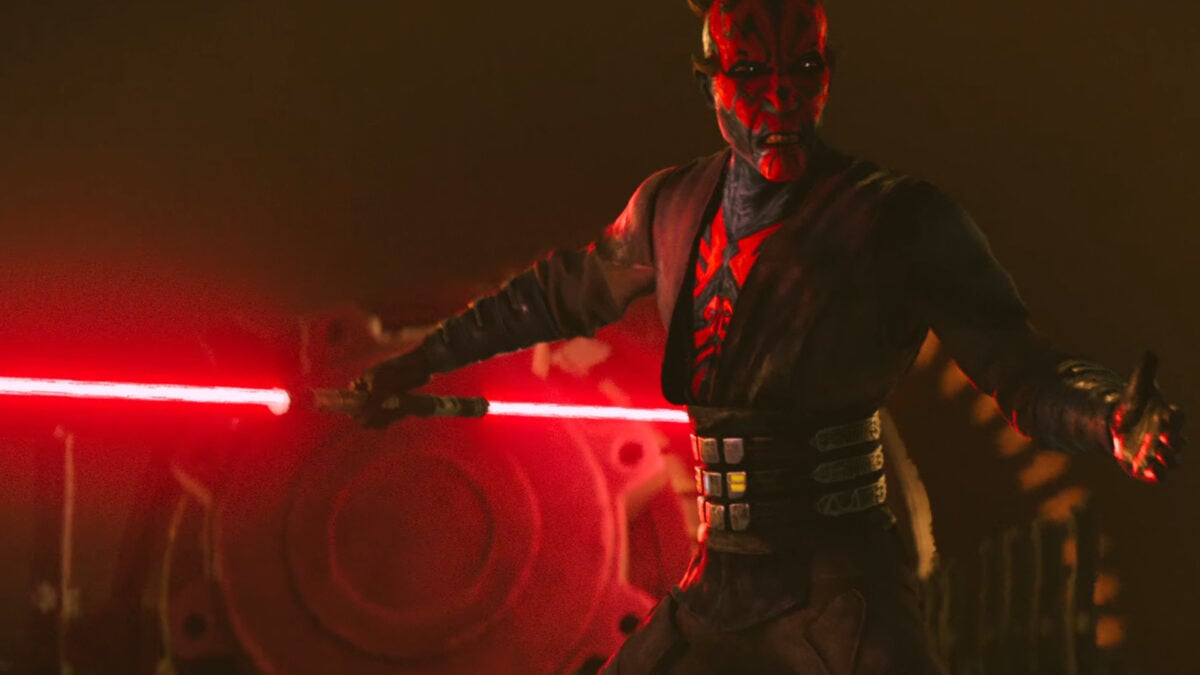
In the expansive universe of Star Wars, few characters embody intensity and volatility quite like the Sith apprentice Maul. Known for his agility, distinctive horns, and a relentless drive for vengeance, Maul has remained a cornerstone of the franchise’s darker side since his debut in the late 1990s.
The latest development surrounding the character introduces a unique intersection of sound design and weaponry. In the project Shadow Lord, Maul’s lightsabers are reportedly powered by the screams of Sam Witwer, the actor who has provided the voice and likeness for the character across various media for years.
This creative choice transforms a weapon of war into a sonic manifestation of the character’s internal torment. By tying the visual and auditory power of the lightsabers to Witwer’s vocal performances, the production leans into the “angsty” nature of the character, effectively turning emotional pain into a tangible source of energy.
The Legacy of Maul and Sam Witwer
To understand why this sonic integration is significant, one must look at the evolution of the character. Star Wars, created by George Lucas, began as a space opera in 1977 and expanded into a massive fictional universe comprising films, television, and novels.
Maul first appeared in Episode I: The Phantom Menace (1999), but his character was significantly deepened in later iterations. Sam Witwer became the definitive voice of the character, bringing a level of psychological depth and raw emotion to the role. This ability to convey agony and rage is precisely what makes the concept of “scream-powered” weaponry a fitting narrative and technical choice for Shadow Lord.
The use of Witwer’s voice as a power source for the lightsabers is more than a gimmick. it serves as a metaphor for the Sith philosophy. In the Star Wars lore, the dark side of the Force is fueled by negative emotions such as anger, fear, and hate. By literally powering the blade with a scream, the production creates a direct link between the character’s suffering and his destructive capability.
Technical Innovation in Sound Design
From a technical perspective, integrating vocal frequencies to drive visual effects or sound synthesis requires precise synchronization. While the specific software used in Shadow Lord has not been detailed in official technical filings, the effect suggests a reactive audio system where the amplitude and pitch of Witwer’s screams modulate the hum and flicker of the lightsaber blades.
This approach moves away from the traditional static sound loop of a lightsaber and toward a dynamic, organic soundscape. It allows the weapon to feel alive, reacting in real-time to the actor’s performance. For the audience, this creates a more visceral experience, as the weapon’s intensity fluctuates based on the emotional state of the character.
This level of detail is consistent with the franchise’s history of evolving its technology. From the original 1977 film to the modern era under Disney’s ownership, the series has consistently pushed the boundaries of how sound and visual effects are used to tell a story.
Who is Affected by This Creative Shift?
This development primarily impacts the viewing experience for fans and the creative process for the production team. For the audience, it adds a layer of psychological horror to the action sequences. For the actors, it places a premium on vocal performance, as the “power” of the scene depends on the raw delivery of the voice actor.
it sets a precedent for how other characters in the Star Wars universe might interact with their equipment. If a weapon can be powered by a specific emotion or sound, it opens the door for other characters to have weapons that reflect their unique psychological profiles.
The Broader Context of Star Wars Media
The franchise has grown from a trilogy of films into a sprawling ecosystem. Following the original trilogy—A New Hope (1977), The Empire Strikes Back (1980), and Return of the Jedi (1983)—Lucas created a prequel trilogy that concluded with Revenge of the Sith in 2005.
After Disney acquired Lucasfilm in 2012, the universe expanded further with a sequel trilogy, including The Force Awakens (2015), The Last Jedi (2017), and The Rise of Skywalker (2019). The inclusion of projects like Shadow Lord demonstrates the ongoing effort to explore the “grey areas” of the lore and provide deeper character studies of villains and anti-heroes.
Maul’s journey from a silent assassin in The Phantom Menace to a complex, tormented figure in subsequent media highlights the franchise’s ability to reinvent its characters. The “edge” provided by this new sonic integration is a continuation of that evolution, ensuring that the character remains menacing and emotionally resonant.
As the franchise continues to evolve, the integration of high-fidelity sound design and actor-driven effects will likely become more common, further blurring the line between performance and special effects.
Updates regarding the release and further technical details of Shadow Lord are expected as the project progresses. We encourage readers to share their thoughts on this creative direction in the comments below.