
Federal regulators have expanded national security rules to restrict new foreign-made advanced robotic devices, sweeping popular robotic vacuum cleaners and automated cleaners into tightened equipment authorization bans. The Federal Communications Commission confirmed the policy change, which targets hardware presenting cybersecurity risks while exempting existing consumer machines.
A sweeping technological crackdown by federal regulators has expanded into the consumer robotics market, placing certain robotic vacuum cleaners under strict new national security rules. The Federal Communications Commission updated its “Covered List” restrictions to make foreign-produced automated cleaners ineligible for standard equipment authorization, citing potential cybersecurity vulnerabilities and risks to American critical infrastructure.
Federal Communications Commission Expands Security Restrictions
The updated regulatory framework targets software-controlled mobile robots that weigh more than 1.9 kilograms—including charging docks—and utilize cameras, sensors, and wireless connectivity to navigate their environments. Under the broader federal criteria, many automated household cleaners qualify as advanced robotic devices because they feature firmware, artificial intelligence models, or sensors operating via Bluetooth, Wi-Fi, or cellular networks near human operators.
Federal regulators argue that connected cleaning machines equipped with sophisticated mapping systems create supply chain and national security risks because they collect detailed information about homes, businesses, and other environments. According to industry analysts, the determination also references prior security research highlighting vulnerabilities that allowed thousands of connected robotic vacuum cleaners to be remotely accessed.
Affected Brands and Global Supply Chain Realities
While the Federal Communications Commission did not explicitly name individual commercial brands in its initial rollout, agency officials confirmed that robotic vacuums fall under the updated coverage. Market observers note that major manufacturers including Ecovacs, Roborock, Dreame, Narwal, and Xiaomi rely heavily on production facilities located in China. FOX Business reached out to SharkNinja, Dyson, Samsung, and LG for comment regarding the policy.
Longstanding industry mainstays have also been caught in the crosshairs. Roomba, once regarded as America’s leading robotic vacuum cleaner after being introduced by American company iRobot in 2002, is now owned by Shenzhen Picea Robotics and Santrum Hong Kong. Picea Robotics operates development and manufacturing facilities in China and Vietnam, selling Roomba models starting at $200. IDC analyst Jitesh Ubrani highlighted the heavy industry reliance on foreign manufacturing during discussions with technology publications, stating to The Verge, It is difficult to identify major non Chinese robotic vacuum brands because so few remain.
Consumer Protections and Manufacturer Responses
The policy changes target future authorizations rather than existing household units. Federal officials emphasized that consumers who already own automated cleaning devices will face no disruption to their daily use.
This action does not impact a consumer’s continued use of devices they previously acquired,
an FCC spokesperson said to FOX Business.
FCC spokesperson
Furthermore, the agency noted that models previously approved through the equipment authorization process may continue to be imported, marketed, and sold by retailers, with the rules not preventing retailers from continuing these activities for relevant previously approved models.
We are aware of the FCC's recent action and are working with them to better understand its implementation and potential impact,
iRobot said.
The company added that it remains committed to serving its customers and will share updates as more information becomes available.
Market Shifts and Manufacturing Pathways
The regulatory action is expected to accelerate shifts in global supply chains. Analysts suggest that foreign robotics enterprises seeking continued access to the American market will need to establish genuine manufacturing operations within the United States. Meanwhile, brands facing tighter restrictions in North America may pivot marketing investments toward international regions such as Australia, where local media report expanding promotional campaigns by major Chinese robotics firms, including Ecovacs briefings attended by Australian media.
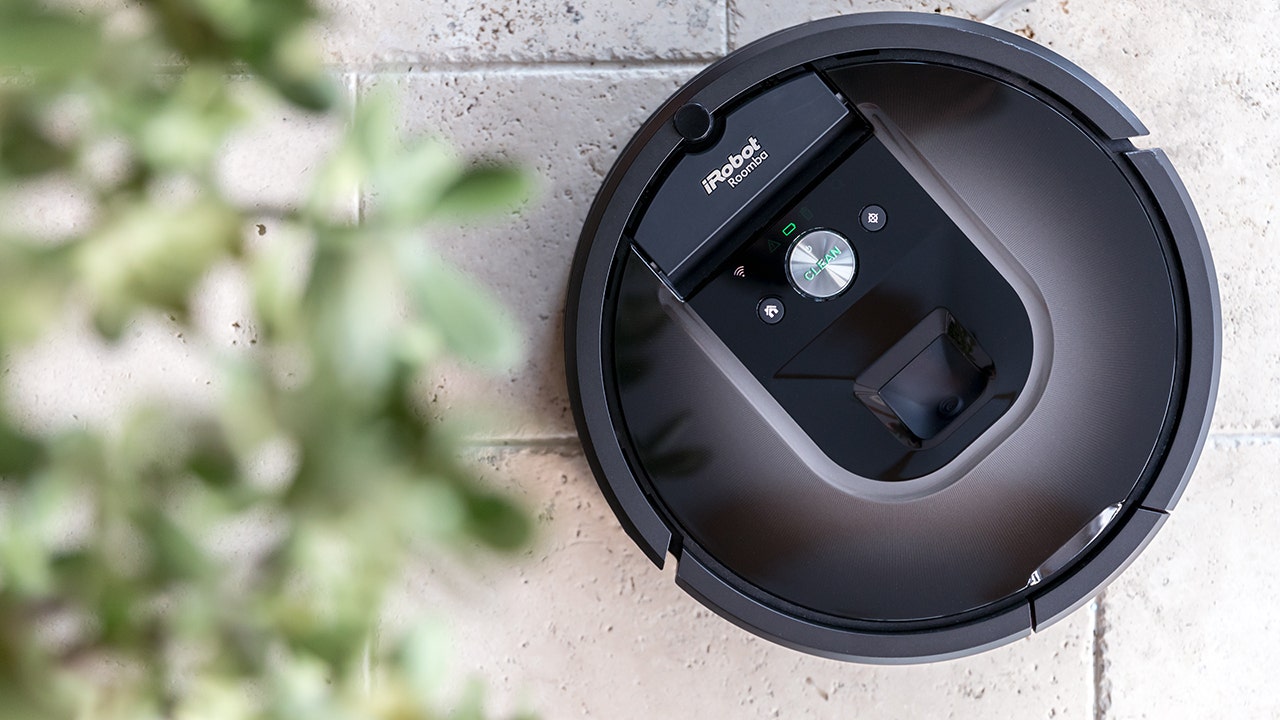
Domestically produced alternatives remain limited and occupy a different pricing tier. While imported Picea Robotics models start at $200, American robotics startup Matic—one of the few U.S.-based competitors that designs and assembles its products domestically in California—sells its robotic vacuums for about $1,245, illustrating a wide cost gap as the federal crackdown reshapes the competitive landscape.
Keep reading