Senate Republican leaders face a severe arithmetic hurdle as they navigate a high-stakes legislative calendar, with Senator John Thune cautioning colleagues that the chamber lacks the necessary votes to immediately advance a sweeping budget resolution. The legislative standoff centers on conflicting timelines and priorities between congressional leadership and White House allies pushing for a pre-election fiscal package, according to recent statements reported by The Hill.
As negotiations continue across Capitol Hill, the debate over budget reconciliation highlights deep procedural and strategic divides within the GOP. While external advocates and executive branch officials press for swift action on major economic legislation, Senate Republicans are grappling with strict procedural thresholds and internal disagreements over defense spending allocations and tax provisions, as detailed in coverage by Jewish Insider.
The legislative friction has drawn regional involvement, with state leaders weighing in on the national debate. Nebraska Governor Jim Pillen recently joined a coalition of governors supporting aggressive legislative timelines for federal fiscal packages, emphasizing the need for congressional alignment with executive priorities, according to an official release from the Nebraska Governor’s Office.
Senate Arithmetic and the Reconciliation Hurdle
Passing a budget resolution through reconciliation requires a strict majority of fifty votes in the United States Senate, a threshold that becomes exceedingly difficult to clear when caucus members harbor reservations about specific fiscal targets or defense funding levels. Senator John Thune pointed out that current whip counts do not yield the required support to push the measure forward without extensive revision and internal consensus building.
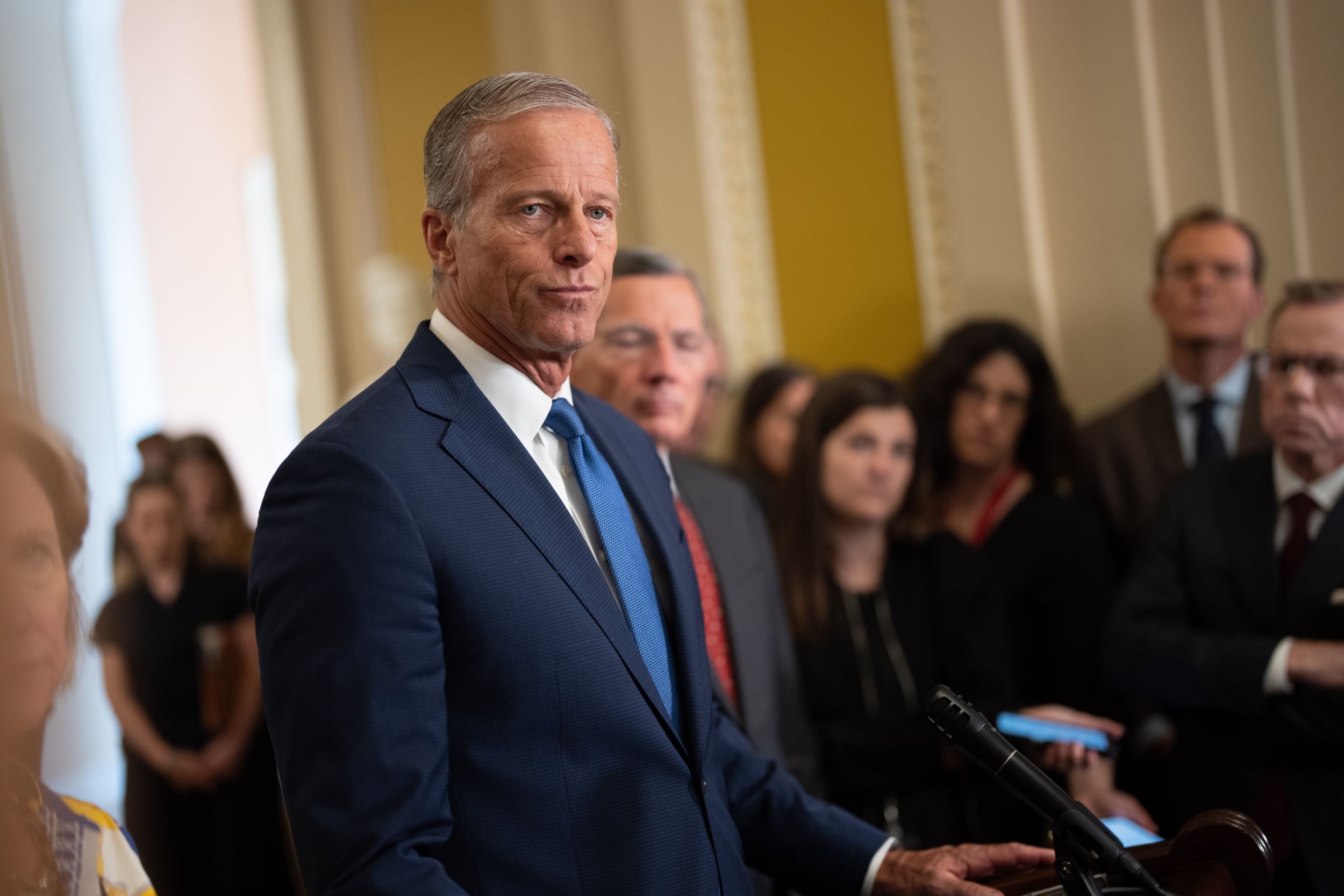
The debate is further complicated by competing visions for the legislative vehicle. House-passed reconciliation proposals have run into skepticism among Senate fiscal conservatives and defense hawks who argue that current allocations do not adequately address national security requirements. According to reports from Jewish Insider, key Republican senators are insisting on adjustments to defense spending before committing to any fast-track budget framework.
White House Push and State-Level Support
The executive branch has maintained an active dialogue with lawmakers to secure a comprehensive pre-election package, aiming to unify the party around core legislative priorities.
State leaders have actively entered the fray to signal grassroots and regional backing for the federal push. Governor Jim Pillen’s decision to sign onto the multi-state letter reflects a coordinated effort by governors to urge congressional leaders past procedural roadblocks. The communication, documented by the Nebraska Governor’s Office, underscores the intense pressure facing Washington lawmakers from state capitals where local administrators anticipate significant impacts from federal fiscal adjustments.
Legislative Next Steps on Capitol Hill
Negotiations between Senate leadership, committee chairs, and administration officials are expected to continue behind closed doors as lawmakers attempt to bridge the gap between ambitious timelines and legislative realities. Observers are closely watching upcoming committee markups and closed-door caucus meetings for any sign that vote counts have shifted.
The next formal checkpoint will arrive when Senate leadership schedules further caucus discussions or procedural votes on the budget framework. Readers can track official legislative texts, committee schedules, and upcoming vote announcements directly through Congress.gov as the debate progresses.
Worth a look
- Corporate Insiders Are Bearish at a 20-Year High: What It Means for Stocks
- Al-Mawlid Al-Nabawi 2026 Holiday Date and Remaining Public Holidays in Egypt
- Ralph Norman and Darline Graham Lead SC Senate Primary Poll Ahead of Vote (archyworldys.com)
- The Senate Blue Slip, Explained: The Custom Trump Wants Gone (daybreakwire.com)