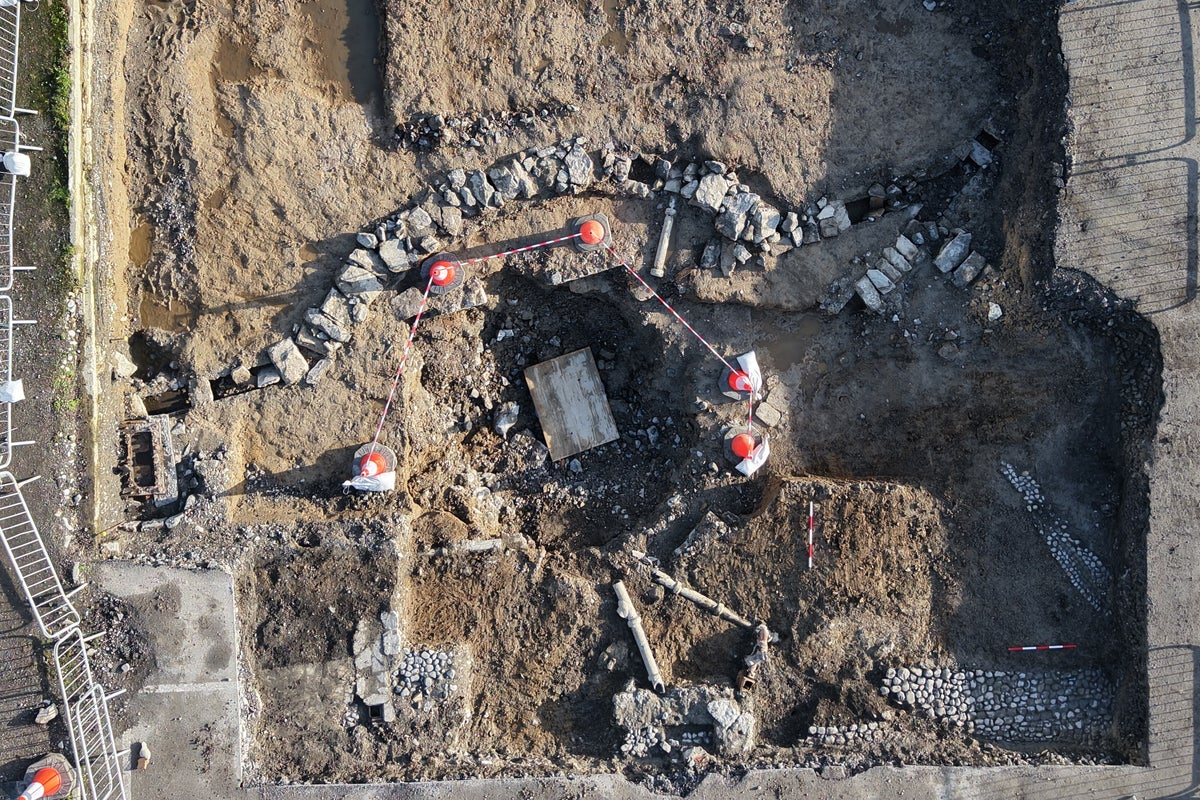
The ongoing excavation at the site of a former mother and baby home in Ireland has revealed another 36 sets of infant remains, marking a grim escalation in the discovery of historical casualties at the facility. This latest finding adds to a growing tally of children whose lives and deaths were obscured for decades, sparking renewed calls for accountability and a comprehensive forensic accounting of the site.
The discovery is particularly harrowing due to the manner of burial. Reports indicate that in some instances, two or three infants were buried within the same coffin, reflecting a systemic lack of dignity and care for the deceased. This pattern of burial underscores the precarious nature of the lives led by those within the institution and the clinical manner in which their deaths were handled.
As the investigation continues, the discovery of these 36 additional sets of remains highlights the scale of the tragedy associated with these institutions. For the families of the victims, these findings are not merely archaeological data but are poignant reminders of lost children and the enduring trauma of systemic neglect.
The Scale of Institutional Loss
The discovery of multiple infants in single coffins points to a broader crisis of human rights and institutional failure. These homes, often run by religious orders, were designed to house unmarried mothers and their children, but many became sites of neglect and high mortality rates. The physical evidence found at the site serves as a silent witness to the conditions under which these infants lived and died.

The process of recovering these remains is a meticulous effort to restore identity and dignity to the victims. Each set of remains represents a child whose life was cut short, often without a recorded cause of death or a proper burial, leaving a void in the family histories of many Irish citizens.
Impact on Families and the Search for Closure
For the survivors and the descendants of those who passed through the mother and baby homes, the recovery of remains is a critical step toward closure. The emotional weight of discovering that children were buried together in shared coffins adds a layer of cruelty to an already devastating history.
The identification process remains a primary goal for investigators. By using forensic techniques to analyze the remains, authorities hope to provide answers to families who have spent years wondering what happened to their children. This effort is part of a larger national reckoning with the legacy of institutional abuse and the historical treatment of women and children in Ireland.
What Happens Next
The investigation into the site continues as forensic teams work to determine the total number of victims and the circumstances surrounding their burials. The next confirmed checkpoint in this process involves the continued analysis of the recovered remains and the coordination with state authorities to ensure a dignified final resting place for all victims.
We invite our readers to share their perspectives on this story in the comments below and to share this report to maintain the focus on the pursuit of historical justice.
Keep reading