
Beijing is positioning itself as a central mediator in the volatile relationship between the United States and Iran, stepping in to facilitate a ceasefire and stabilize regional tensions. This strategic move comes as China seeks to expand its diplomatic footprint in the Middle East while simultaneously creating leverage for future high-level engagements between President Xi Jinping and U.S. Leadership.
The China-mediated U.S.-Iran ceasefire represents a significant shift in geopolitical dynamics, as Beijing moves beyond the role of a passive observer to become a critical guarantor of stability. Reports indicate that China has played a pivotal role in the background, offering assurances to Iranian officials to prevent further escalations and avoid targeted assassinations, which have historically triggered cycles of violence in the region.
For the United States, the prospect of a ceasefire offers a path toward reducing immediate military friction. For Iran, China provides a powerful economic and diplomatic shield. However, analysts suggest that Beijing’s motivations are not purely altruistic; the move is viewed as a calculated effort to secure “bargaining chips” for upcoming summits and to solidify its status as a global superpower capable of resolving conflicts that the U.S. Has struggled to manage alone.
The Strategic Calculus: Why Beijing is Intervening
China’s decision to intervene in the U.S.-Iran dispute is rooted in a combination of economic necessity and diplomatic ambition. By facilitating a ceasefire, Beijing ensures the continued flow of energy resources and protects its significant investments in Iranian infrastructure. More importantly, it allows China to practice what some scholars describe as “ambiguous diplomacy,” a tactical approach where Beijing maintains flexibility to pivot based on which side offers the most strategic advantage.
The diplomatic victory for China is twofold. First, it demonstrates to the Global South that China can provide an alternative to U.S.-led security architectures. Second, by acting as the “key guarantor” in negotiations, China makes itself indispensable to both Washington and Tehran. This positioning is particularly critical as Beijing prepares for potential high-stakes meetings with U.S. Officials, where a stabilized Middle East could be used as a point of leverage to discuss trade, technology, or security concessions.
the role of China as a guarantor is not merely symbolic. Reports suggest that Beijing has provided specific assurances to Tehran that high-ranking officials would not be targeted in assassination attempts, a move designed to build deep trust with the Iranian leadership and isolate the U.S. As the primary aggressor in the eyes of the regional bloc.
Economic and Diplomatic Gains for China
From an economic perspective, a ceasefire prevents the disruption of global oil markets, which would negatively impact China’s industrial growth. A stable Iran allows Beijing to secure long-term energy contracts without the risk of sudden sanctions-driven volatility or war-induced price spikes. This “economic victory” is coupled with a “diplomatic victory,” as China successfully projects power far beyond its immediate borders.
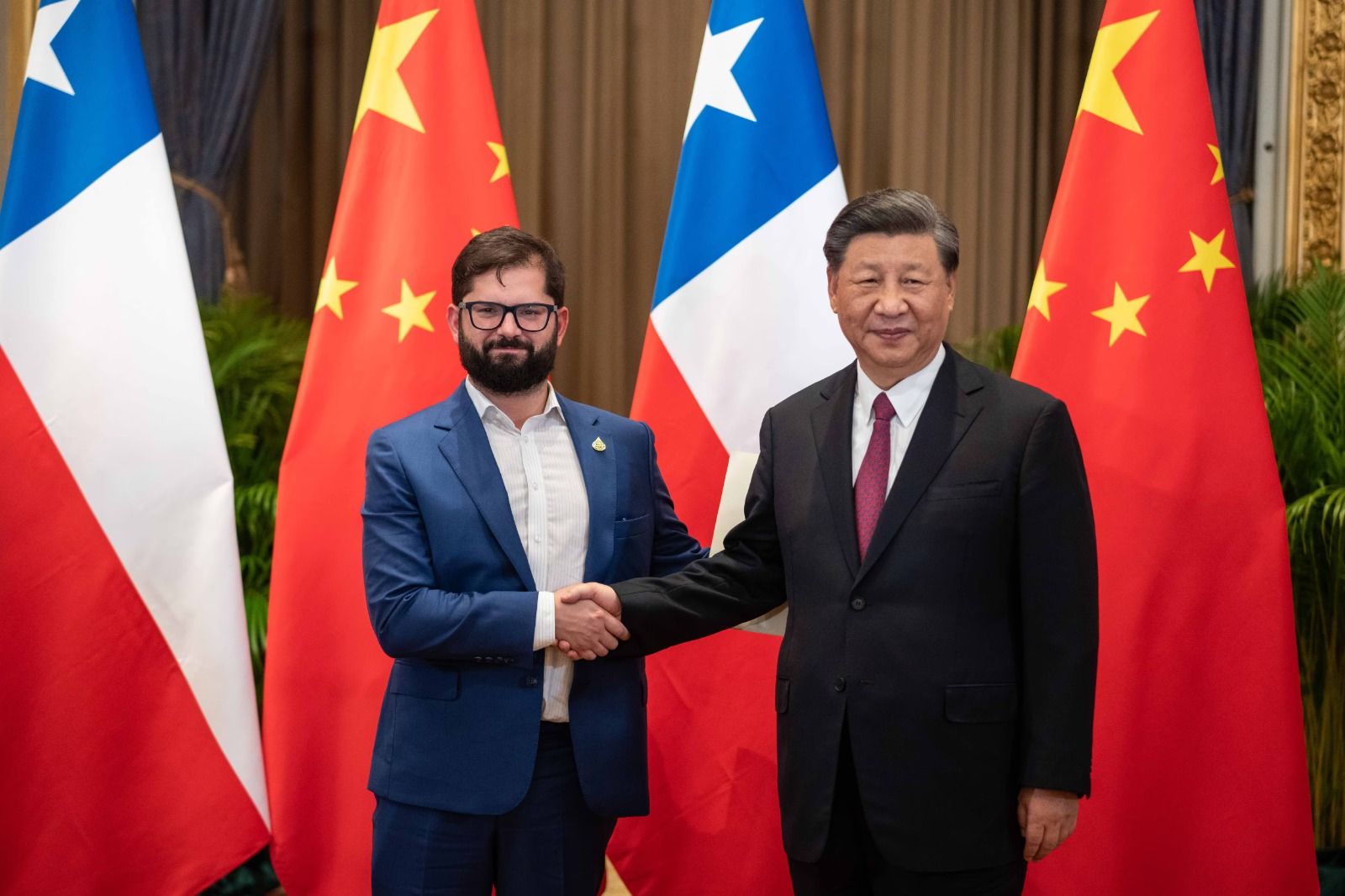
Analysts note that this intervention allows China to present itself as a “peace-maker” on the world stage, contrasting its approach with the more interventionist military posture of the United States. By steering the U.S. And Iran toward a ceasefire, China effectively manages the risk of a regional war that could jeopardize its “Belt and Road Initiative” (BRI) projects across Central Asia and the Middle East.
The U.S.-Iran Dynamic and the Role of the Guarantor
The negotiations between the U.S. And Iran have long been characterized by mutual distrust and a lack of direct communication channels. The introduction of China as a third-party mediator provides a necessary buffer. According to reports from agencies such as AFP, China’s potential role as a guarantor is essential for the viability of any ceasefire agreement, as neither side is currently willing to trust the other’s word without an external entity to verify compliance.
The U.S. Finds itself in a complex position. While it may be wary of increasing China’s influence in the region, the immediate require to avoid a full-scale war with Iran—which could draw in other allies and destabilize global trade—makes Beijing’s mediation a pragmatic necessity. The U.S. Must balance its desire to contain China with the immediate requirement for regional stability.
For Iran, China represents a lifeline. The strategic partnership with Beijing provides Tehran with a way to bypass some of the pressures of U.S. Sanctions and ensures that it has a superpower ally capable of speaking directly to Washington. The assurance against assassinations is a critical component of this trust, addressing one of the Iranian government’s primary security concerns.
What This Means for Global Geopolitics
The shift toward a China-mediated peace in the Middle East signals a transition toward a multipolar world. For decades, the U.S. Was the sole arbiter of security in the Persian Gulf. The fact that a ceasefire now depends on Beijing’s involvement indicates that the U.S. Can no longer unilaterally dictate the terms of regional stability.
This development also affects how other regional powers, such as Saudi Arabia and the UAE, view their alliances. As China proves its ability to broker peace between adversarial states, other nations may increasingly look to Beijing for diplomatic resolution rather than relying exclusively on Washington’s security guarantees.
Key Takeaways: China’s Influence in the U.S.-Iran Conflict
- Diplomatic Leverage: China is using its mediation role to create “chips” for future high-level meetings with the U.S.
- Guarantor Status: Beijing is positioning itself as the essential third party to ensure the ceasefire holds, specifically regarding the safety of Iranian officials.
- Economic Stability: A ceasefire protects China’s energy imports and the integrity of its regional infrastructure investments.
- Strategic Narrative: By brokering peace, China enhances its image as a global leader and an alternative to U.S. Military-centric diplomacy.
What Happens Next?
The immediate focus now turns to the formalization of the ceasefire terms and the verification of the guarantees provided by Beijing. The global community will be watching for the first official meeting or joint statement between U.S. And Iranian representatives, which would signal the success of China’s mediation efforts.
The next critical checkpoint will be the upcoming diplomatic engagements between President Xi Jinping and U.S. Leadership, where the outcome of the U.S.-Iran ceasefire is expected to be a primary topic of discussion. Whether this leads to a broader thaw in U.S.-China relations or remains a tactical maneuver for regional influence remains to be seen.
We invite our readers to share their perspectives on China’s growing role in Middle Eastern diplomacy in the comments below.
Related reading