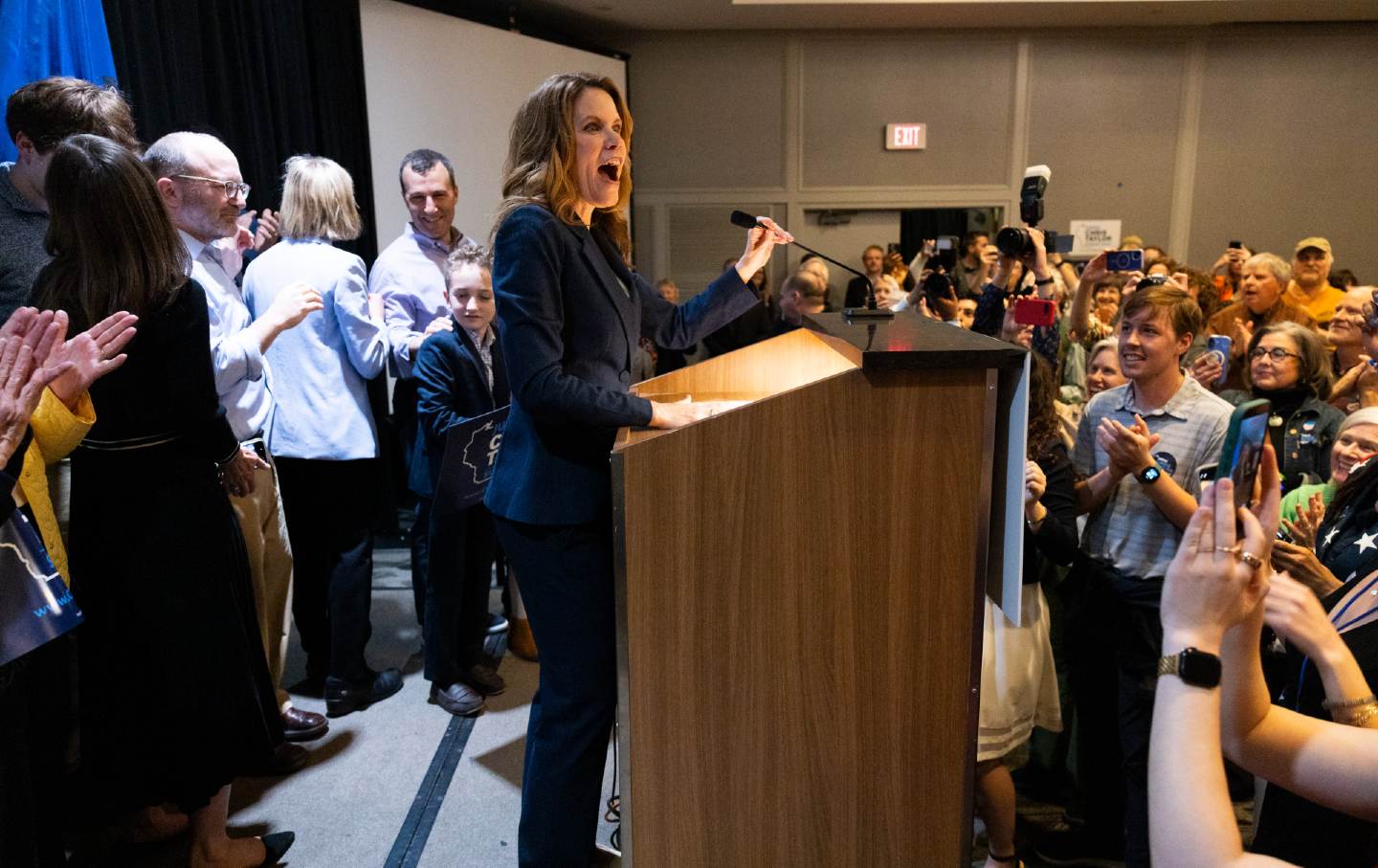
The landscape of judicial power in the American Midwest shifted significantly this month following the results of the Wisconsin Supreme Court election. On April 7, 2026, liberal judge Chris Taylor secured a decisive victory over her Republican opponent, Maria Lazar, marking a pivotal moment for the state’s legal trajectory and signaling potential shifts in broader political alignments.
This victory provides Democrats with a 5–2 advantage on the Wisconsin state Supreme Court. This majority is particularly significant as it ensures Democratic control of the court during the critical 2028 presidential election cycle, a period often defined by intense legal scrutiny over electoral processes and voting rights.
While judicial races are often viewed as narrow legal contests, the results in Wisconsin suggest a deeper movement within the electorate. Taylor’s win was not confined to traditional liberal bastions like Milwaukee and Madison; rather, it extended into rural territories that have historically served as Republican strongholds.
A Shift in Judicial Power
The election to replace a Republican judge meant that the court’s balance was already leaning toward the minority for the GOP. Even a victory for Maria Lazar would have left Republicans in a 3–4 minority. However, Taylor’s win solidifies a more commanding 5–2 lead for the liberal wing of the court, ending a period of Republican dominance that had lasted for 15 years prior to the recent shifts in court composition.
The broader implications of this shift are felt beyond the immediate rulings of the court. In the United States, state supreme courts often hold the final say on the interpretation of state constitutions, making them central players in disputes over redistricting, election administration, and civil liberties.
Rural Realignment and Voter Trends
Perhaps the most striking aspect of the election results is the performance of Chris Taylor in rural Wisconsin. Data indicates that Taylor flipped 29 counties that had previously voted for Donald Trump in 2024 on April 7, 2026. In certain areas, the shift toward the left was as high as 33 points.
This movement aligns with a growing trend where historically Republican “red” areas have begun turning purple or blue. This realignment has become more pronounced following the events of Donald Trump’s second term, suggesting a volatility in rural voting patterns that could impact future midterm and general elections.
However, analysts caution against viewing this specific race as a perfect bellwether for the November midterms. The election was characterized by low voter turnout and lower stakes than previous judicial contests, meaning the pool of voters may not fully represent the general electorate that will participate in a high-turnout general election.
The Financial Landscape of the Race
The financial dynamics of this election stood in stark contrast to the previous Wisconsin Supreme Court race, which earned the title of the most expensive judicial election in history. That prior contest saw massive infusions of capital from Republican-aligned PACs and high-profile figures like Elon Musk.

In the 2026 race, the financial tide turned. Republican-aligned PACs and Musk largely abstained from spending, which allowed Chris Taylor to outspend Maria Lazar. This lack of GOP financial mobilization contributed to a different campaign environment, where the liberal candidate held the spending advantage for the first time in recent high-profile judicial cycles.
Key Takeaways: Wisconsin Supreme Court Election
- Winner: Chris Taylor defeated Maria Lazar on April 7, 2026.
- Court Composition: Democrats now hold a 5–2 majority on the state Supreme Court.
- Rural Shift: 29 counties that voted for Trump in 2024 flipped to Taylor, with some areas shifting left by 33 points.
- Strategic Impact: Democratic control is secured through the 2028 presidential election cycle.
- Financials: Unlike previous records, Taylor outspent her opponent due to decreased spending from GOP PACs.
As the court settles into this new composition, legal experts and political strategists will be watching for the first major cases to hit the docket. The 5–2 majority provides a stable foundation for the current judicial philosophy, but the true test will arrive as the 2028 cycle approaches and the court is called upon to adjudicate the laws governing the next presidential transition.
The next official update regarding the court’s seating and the formal commencement of Judge Taylor’s term will be provided by the Wisconsin court administration in the coming weeks.
We invite our readers to share their thoughts on these shifting political trends in the comments below.
Related reading