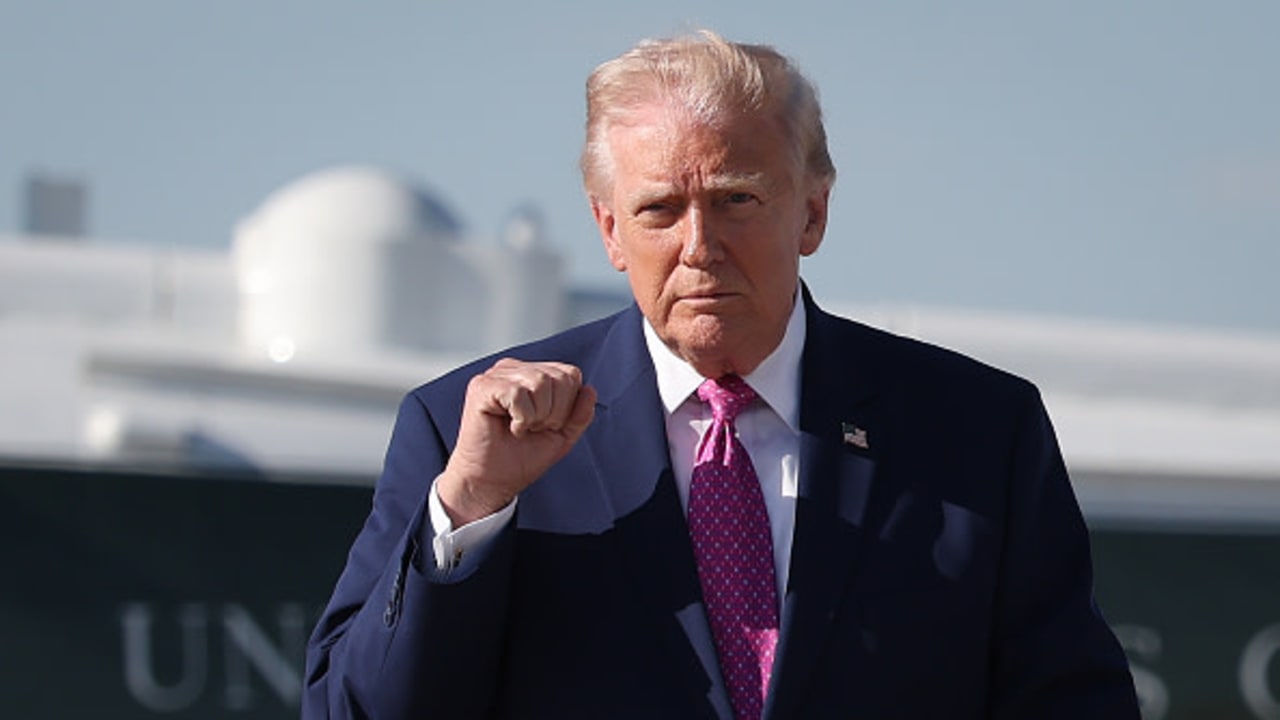
President Trump has issued a stark 48-hour ultimatum to Iran, demanding the immediate reopening of the Strait of Hormuz or facing what he described as devastating consequences. The threat, delivered via a post on Truth Social, signals a sharp escalation in tensions following the apparent collapse of diplomatic efforts in Pakistan.
The president’s warning comes amid a volatile security environment in the Middle East, where a conflict that began with joint U.S.-Israel strikes on February 28, 2026, has already resulted in thousands of deaths and significant disruptions to global energy markets according to CBS News. The Strait of Hormuz, a critical chokepoint for global oil shipping, has become the central flashpoint in a war that has seen fuel prices spike and key shipping routes severed.
This latest move follows a period of fluctuating deadlines and fragile ceasefires. While the U.S. Administration has previously claimed that Iran has been decimated militarily and economically—including the total annihilation of its radar systems—the Iranian government continues to challenge U.S. Naval dominance in the region.
The 48-Hour Ultimatum and Naval Tensions
In his social media address on Saturday, President Trump reminded the Iranian leadership of a previous ten-day window to reach a deal or open the strait. He stated, “Time is running out – 48 hours before all Hell will reign down on them. Glory be to GOD!” as reported by CBS News.

The current crisis over the Strait of Hormuz naval blockade threats is not an isolated event but the culmination of weeks of brinkmanship. On March 21, the president initially threatened to obliterate Iran’s power plants, starting with the largest in the country, if the strait was not fully opened without threat within 48 hours per CBS News records. Although those strikes were postponed on March 23 due to “productive conversations” and the deadline was later pushed to April 6, the diplomatic window appears to have closed.
The economic stakes are immense. The conflict has shaken global markets, as the Strait of Hormuz is the primary artery for oil exports from the Gulf. Any prolonged closure or escalation in naval combat threatens to further destabilize international energy prices and disrupt the supply chain for millions of consumers worldwide.
Collapse of the Islamabad Peace Talks
The escalation follows a high-stakes diplomatic mission to Islamabad, where Pakistani officials attempted to mediate a deal to end the hostilities. The U.S. Delegation was led by Vice President JD Vance, who departed for Pakistan on Friday morning according to NPR.
The Iranian delegation arrived in Islamabad early Saturday, led by Parliament Speaker Mohammad Bagher Ghalibaf and Foreign Minister Abbas Araghchi per NPR reporting. Pakistan’s Deputy Prime Minister, Mohammad Ishaq Dar, expressed hope for constructive engagement, but the talks were hampered by disputes over the terms of a two-week ceasefire designed to suspend five weeks of U.S. Bombing campaigns against Iran.
Vice President Vance had cautioned prior to the talks that the U.S. Would only engage if Iran negotiated in “good faith,” warning that the negotiating team would not be receptive if the Iranians attempted to “play” the United States as documented by NPR. The subsequent 48-hour ultimatum suggests that the U.S. Administration views the Islamabad discussions as a failure.
Military Costs and Iranian Defiance
The human and material cost of the conflict is mounting. Newly released Pentagon figures indicate that 365 American service members have been injured during U.S. Operations against Iran per CBS News. The war has been characterized by intense airstrikes and Iranian counter-attacks across the region, including drone strikes in Kuwait and exchanges between Israel and Hezbollah in Lebanon.
Iran’s military leadership has responded to the president’s threats with open defiance. General Ali Abdollahi Aliabadi, speaking from the Khatam al-Anbiya Central Headquarters, dismissed the U.S. Ultimatum as a “helpless, nervous, unbalanced and stupid action” according to Agence France-Presse via CBS News. Echoing the religious rhetoric used by the president, Aliabadi warned that “the gates of hell will open for you.”
Timeline of Escalation in the Strait of Hormuz
| Date | Event | Outcome/Status |
|---|---|---|
| February 28 | Joint U.S.-Israel strikes on Iran | War begins; thousands killed [1] |
| March 21 | Initial 48-hour ultimatum | Threat to obliterate power plants [1] |
| March 29 | Partial shipping agreement | Iran agrees to release 20 more oil cargo ships [2] |
| April 6 | Extended deadline | Trump pushes back reopening deadline [1] |
| April 10 | Ceasefire test | Iran refuses to reopen Strait; talks move to Islamabad [3] |
| April 12 | Final 48-hour ultimatum | Threat of “all Hell” reigning down if not reopened [1] |
What Which means for Global Stability
The refusal of Iran to reopen the Strait of Hormuz, coupled with the failure of the Islamabad talks, places the international community in a precarious position. The region is currently seeing a breakdown of the “fragile ceasefire agreement,” with renewed strikes in Lebanon and drone activity in Kuwait per NPR.
For the global audience, the primary concern remains the viability of oil transit. The Strait of Hormuz is the only exit for oil from the Persian Gulf to the open ocean. A full-scale naval blockade or a renewed campaign of “obliterating” infrastructure would likely send fuel prices to unprecedented levels and could trigger a broader regional war involving multiple state actors.
The U.S. Military position remains aggressive. With the claim that Iranian radar is “100% annihilated,” the administration is signaling that it possesses the tactical superiority to enforce its will, regardless of the risks to global commerce. However, the response from the Khatam al-Anbiya Central Headquarters indicates that Iran is prepared for a high-intensity confrontation.
The next critical checkpoint is the expiration of the 48-hour window issued on Saturday. The world now waits to see if Iran will comply with the demand to reopen the strait or if the U.S. Will initiate the “devastating consequences” promised by the president.
World Today Journal will continue to monitor this developing story. We invite our readers to share their perspectives on the diplomatic failure in Islamabad in the comments below.
Worth a look