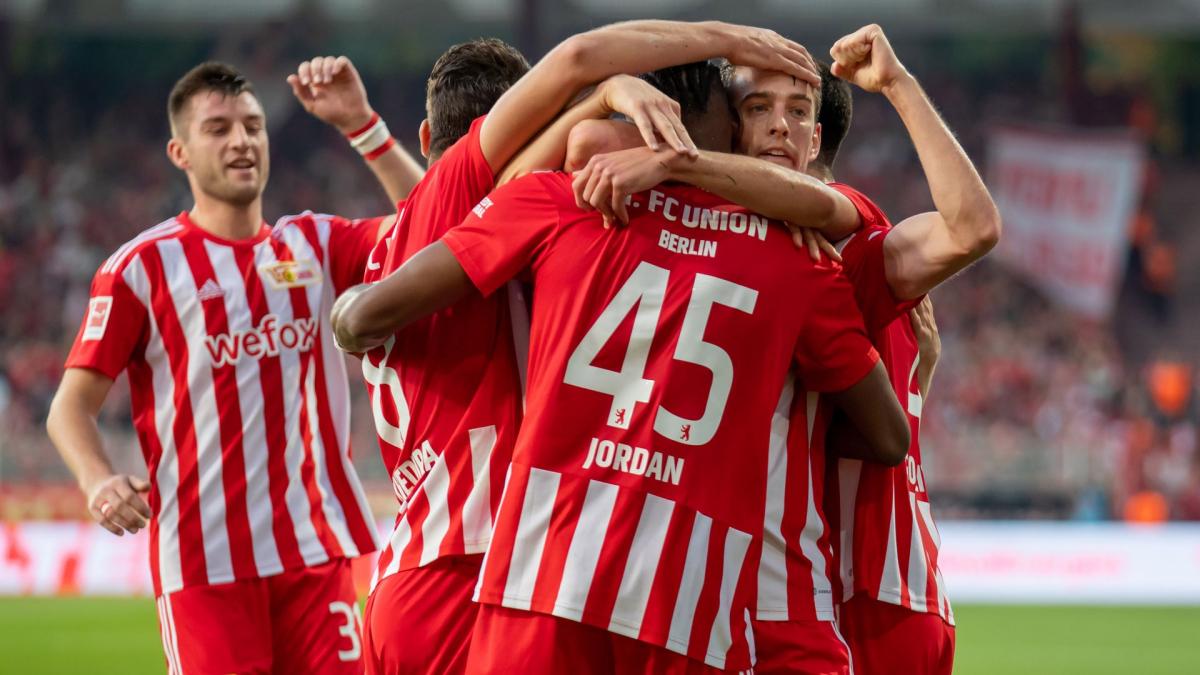
The landscape of European football has reached a historic turning point as Union Berlin has appointed Marie-Louise Eta as their interim head coach. This move marks a significant milestone in the sport’s history, making Eta the first woman to lead a men’s team in any of the top five European football leagues.
Eta, a former professional midfielder and experienced coach, steps into the role at a time when the Bundesliga is under global scrutiny regarding gender equality in leadership. Her appointment is not merely a temporary administrative shift but a systemic break in the traditional glass ceiling of men’s professional football management.
Born on July 7, 1991, in Dresden, Germany, Eta brings a comprehensive background in both playing and coaching to the Union Berlin bench Marie-Louise Eta (Wikipedia). Having transitioned from a successful playing career to the technical area, her journey reflects a steady ascent through the ranks of German football, from youth national team management to the highest level of the domestic game.
The decision by Union Berlin to place Eta in charge has sparked widespread conversation across the continent, signaling a shift in how clubs perceive the qualifications of managers regardless of gender. As she takes the helm of the men’s side, the football world is watching to see how this historic appointment influences the broader culture of the Bundesliga and beyond.
A Proven Path: From the Pitch to the Technical Area
Marie-Louise Eta’s arrival at the top of the Bundesliga is the result of a disciplined career trajectory. Before moving into management, Eta was a formidable presence in the Frauen-Bundesliga. She played for several prominent clubs, including 1. FFC Turbine Potsdam and Werder Bremen, totaling 177 appearances and scoring 30 goals throughout her senior club career Marie-Louise Eta (Wikipedia).
Her playing days were characterized by versatility as a midfielder, and she represented Germany at various youth levels. Her international experience includes appearances for the Germany U15, U16, U17, U19, U20, and U23 squads. Notably, she competed in the 2009 and 2010 UEFA Under-19 European Championships Marie-Louise Eta (Wikipedia).
Eta retired from professional play at the end of the 2017–18 season at the age of 26, choosing to pivot her focus toward the tactical side of the game. This transition was rapid and focused, as she quickly moved into coaching roles within the German national team structure. Between 2019 and 2023, she held a series of pivotal roles managing the Germany U19, U15, and U17 women’s national teams Marie-Louise Eta (Wikipedia).
Breaking Barriers at Union Berlin
The appointment of Eta as interim head coach is the culmination of her integration into the Union Berlin staff. In 2023, she was appointed as the assistant coach to Marco Grote. This role was itself a landmark achievement, as she became the first woman to serve as an assistant coach for a men’s Bundesliga side and the first to do so for a team competing in the men’s UEFA Champions League Marie-Louise Eta (Wikipedia).
By moving from the assistant role to the interim head coach position in 2026, Eta has bypassed the traditional barriers that have long kept women out of the men’s technical area in Europe’s elite leagues. Her presence on the touchline represents a departure from the status quo in the “Big Five” leagues—the Premier League, La Liga, Bundesliga, Serie A, and Ligue 1.
The Impact of a Historic Decision
The appointment of Marie-Louise Eta is being viewed as a “historic goal” toward equality in sports. For decades, the top tiers of men’s football have remained almost exclusively male-dominated in terms of coaching and management. Eta’s role at Union Berlin serves as a proof of concept that technical expertise and leadership capabilities are not gender-dependent.
However, the transition has not been without friction. The club has had to step forward to defend Eta against external criticism, with Union Berlin characterizing some of the pushback as “sexism.” By publicly supporting their manager, the club is not only protecting an employee but is making a statement about the values of the modern game.
This move is expected to have a ripple effect across other European clubs. When a team in a league as competitive as the Bundesliga trusts a woman to lead their men’s squad, it challenges the preconceived notions of other sporting directors and owners across the continent. It shifts the conversation from “Can a woman manage a men’s team?” to “How can we find more qualified coaches regardless of gender?”
Key Career Milestones: Marie-Louise Eta
| Period | Role/Team | Significance |
|---|---|---|
| 2008–2018 | Professional Player | Played for Turbine Potsdam and Werder Bremen; 177 total appearances. |
| 2019–2023 | National Team Coach | Managed Germany’s U19, U15, and U17 women’s teams. |
| 2023 | Assistant Coach, Union Berlin | First woman assistant in men’s Bundesliga and UEFA Champions League. |
| 2026 | Interim Head Coach, Union Berlin | First woman to lead a men’s team in Europe’s top five leagues. |
What This Means for the Future of Football
The appointment of Marie-Louise Eta is a catalyst for institutional change. In the professional sports world, the “first” is always the hardest; the precedent set by Eta at Union Berlin lowers the barrier for the next generation of female coaches. Her background—combining high-level playing experience with a rigorous coaching apprenticeship in the national team system—provides a blueprint for how women can transition into men’s professional management.
For the players at Union Berlin, the shift represents an opportunity to work under a manager with a fresh tactical perspective. Football is increasingly becoming a game of analytics and psychological management, areas where Eta’s experience with various age groups and national team structures will be invaluable.
this decision aligns with a broader global movement toward inclusivity in sports. As governing bodies like UEFA and FIFA push for greater gender parity, the actual implementation of these goals often lags behind the rhetoric. Union Berlin’s decision is a tangible application of equality, moving beyond policy and into the actual operation of a professional club.
As Eta navigates her tenure as interim head coach, the focus will inevitably shift to the results on the pitch. While the historical nature of her appointment is the headline, her success will be measured by the team’s performance in the Bundesliga. A positive run of form under her leadership would further dismantle the stereotypes associated with female managers in the men’s game.
With the Bundesliga season continuing, the next confirmed checkpoint will be the club’s decision regarding the permanence of the head coaching position and the upcoming match fixtures where Eta will lead the team from the touchline. We encourage our readers to share their thoughts on this milestone in the comments section below.