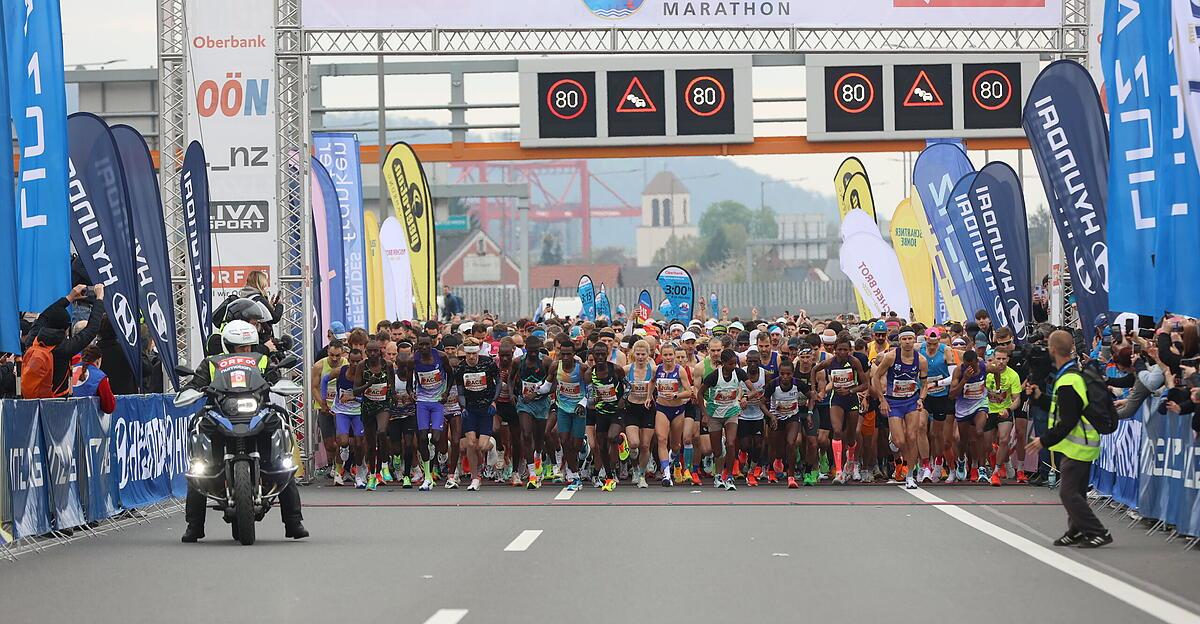
The streets of Linz were transformed into a theater of endurance and determination yesterday, as athletes from all walks of life gathered for the Oberbank Linz Donau Marathon. Held on April 12, 2026, the event once again proved why it remains a cornerstone of the Austrian sporting calendar, drawing a massive crowd to witness the intersection of professional athleticism and community spirit.
For those of us who have covered the global circuit for over a decade, there is something uniquely compelling about the atmosphere in Linz. It is not merely about the clock or the podium; it is about the collective willpower of thousands of runners pushing their physical limits against the backdrop of the Danube. From the elite pace-setters to the first-time 5km finishers, the energy throughout the city was palpable.
The race, which has been a staple of the region since 2002, continues to evolve in its inclusivity, and scale. By offering a variety of distances and categories, the event ensures that the thrill of the marathon is accessible to everyone, regardless of their athletic pedigree. According to World’s Marathons, the event provides a comprehensive range of competitions, including the classic full marathon, a half marathon, a quarter marathon of 10.5 km, and a relay marathon.
Beyond traditional running, the event has expanded its reach to include competitions for hand cyclists and inline skaters—a tradition that has been in place since 2005. This commitment to adaptive sports transforms the race from a simple competition into a broader celebration of human mobility and resilience.
Navigating the Heart of Linz: The Course
The geography of the Oberbank Linz Donau Marathon is designed to showcase the city’s architectural and natural beauty while challenging the runners’ stamina. The race officially commences on the VÖEST bridge, a starting point that offers a dramatic vista and a high-energy launch for the participants.
The course is strategically split to provide a diverse experience for the athletes. In the first half of the race, runners navigate the area by Urfahr, experiencing the scenic riverside atmosphere. As the race progresses into the second half, the route transitions into the city center, where the roar of the crowds provides a critical psychological boost for those hitting the “wall” of the 42.195 km distance. This transition from the serene outskirts to the urban core is a hallmark of the Linz experience.
For the quarter marathoners and 5km beginners, the route serves as an introduction to the city’s layout, while for the full marathoners, the 42.195 km trek is a grueling test of preparation and pacing. The precision of the course marking and the strategic placement of aid stations are essential components that allow athletes to focus entirely on their performance.
The Science of Preparation: More Than Just Miles
One of the most impressive aspects of the Oberbank Linz Donau Marathon is the infrastructure provided to help participants reach the starting line in peak condition. Success in a marathon is rarely an accident; it is the result of meticulous planning, nutrition, and physiological conditioning.
Through the Oberbank Newsroom, athletes have had access to a wealth of professional guidance. This includes specific training plans tailored for different levels, such as dedicated programs for the 5km beginner distance and specialized 10km training for those looking to increase their speed. These resources emphasize that the journey to the finish line begins months before the actual race date.
The preparation guidance extends beyond simple mileage. Expert advice provided to participants has focused on several critical pillars of athletic performance:
- Nutrition: Emphasis on the role of proper fueling during the preparation phase to ensure optimal energy levels on race day.
- Injury Prevention: Guidance on avoiding common muscle injuries in running, which is vital for maintaining a consistent training schedule.
- Technical Proficiency: The “ABC of running technique,” focusing on running economy to help athletes move more efficiently.
- Strength and Stability: Core stabilization and strength training exercises designed to ensure a fast, efficient, and injury-free run.
- Recovery and Wellness: The utilize of breathing exercises to improve overall health and recovery between high-intensity sessions.
This holistic approach to training—balancing intensity with recovery and technique—is what allows amateur runners to compete alongside seasoned veterans without compromising their long-term health.
Community Impact and Corporate Synergy
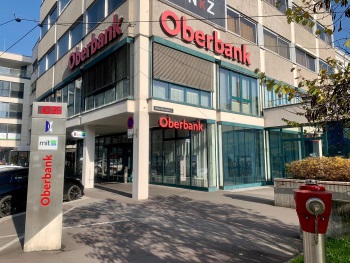
The success of the Oberbank Linz Donau Marathon is also a testament to the synergy between the city, its corporate sponsors, and its workforce. The event is not just a public spectacle but a point of pride for the local community and the employees of the title sponsor.
Oberbank integrates its staff into the event through a comprehensive support system, which includes the coverage of registration fees and dedicated registration services. For colleagues traveling from different regions, the organization provides accommodation options, ensuring a unified presence at the event. The support extends to the logistics of the race, with an organized pickup service for the “startersackerl” (starter bags), reducing the stress often associated with the pre-race window.
The celebration continues long after the final runner crosses the line. An active framework program for employees and an “After-Run-Party” for family and friends at the Oberbank headquarters ensure that the event’s impact lasts beyond the physical exertion of the race. This community-centric approach fosters a culture of health and wellness that extends into the professional environment.
Key Event Specifications
| Category | Distance/Detail | Notes |
|---|---|---|
| Full Marathon | 42.195 km | The “Königsdisziplin” (Premier Discipline) |
| Half Marathon | 21.0975 km | Popular mid-distance challenge |
| Quarter Marathon | 10.5 km | Accessible competitive distance |
| Beginner Distance | 5 km | Classic entry-level distance |
| Special Categories | Various | Hand cyclists and inline skaters (since 2005) |
| Relay | Full distance | Team-based completion |
What This Means for the Global Running Community
Events like the Oberbank Linz Donau Marathon highlight a growing trend in global athletics: the shift toward “inclusive endurance.” By blending elite competition with beginner-friendly distances and adaptive sports, Linz provides a blueprint for how cities can promote public health while maintaining a high-standard sporting event.
For the global audience, this event underscores the importance of the “support ecosystem.” The availability of training plans, nutritional advice, and community support transforms the marathon from a daunting individual challenge into a shared journey. When a city provides the tools for success—such as the breathing exercises and core stability guides mentioned in the event’s resources—it lowers the barrier to entry for the general public.
As we look at the results of the April 12 race, the true victory lies in the thousands of individuals who overcame their personal doubts to cross the finish line. Whether they were chasing a personal best or simply completing their first 5km, the achievement is a testament to the human spirit’s capacity for endurance.
For those who missed this year’s event or are looking to begin their own journey toward the 2027 race, official updates and registration information can be found on the official event website.
The next confirmed checkpoint for the community will be the release of official final timings and the announcement of the registration window for the next edition, typically updated via the official event channels.
Do you have a personal marathon story or a training tip that helped you cross the finish line? We invite you to share your experiences in the comments below and share this story with your running community.
Related reading
- The Alabama Affair and European Diplomacy in the American Civil War
- Nature vs. Development: Czech Constitutional Court Settles Boží Dar Land Dispute
- Roberville-les-Bains Sees Record Tourism Surge Due to Extreme Heatwaves (world-today-news.com)
- Andy Burnham sees modest polling bounce but inherits record-low support (time.news)