The future of the North Atlantic Treaty Organization (NATO) is facing a period of severe instability as President Donald Trump threatens to pull the U.S. Out of NATO amid mounting friction over the U.S.-Israel war on Iran. The rift has shifted from diplomatic disagreements to open hostility, with the U.S. Leader directing his fury toward European allies who have refused to provide critical military support for operations against Tehran.
At the center of the storm is NATO Secretary-General Mark Rutte, often dubbed the “Trump whisperer,” who is currently attempting to manage the president’s anger and keep the United States engaged in the alliance. The tension reached a boiling point during a recent meeting in Washington, where President Trump expressed deep frustration that allies would not grant the U.S. Access to military bases to launch attacks against Iran according to Politico.
The conflict, which does not formally involve the military alliance and one about which NATO was never consulted, has become a catalyst for a broader collapse in trust. President Trump has labeled several allies “cowards” and described the alliance as a “paper tiger,” while comparing U.K. Prime Minister Keir Starmer to Neville Chamberlain, referencing the pre-WWII policy of appeasement via the Los Angeles Times.
European Resistance and the Iran Conflict
The strategic divide is most evident in the actions of individual European nations. Spain has taken a particularly firm stance, closing its airspace to U.S. Aircraft in opposition to the war. France has adopted a more cautious approach, reviewing U.S. Requests on a case-by-case basis. Both nations have drawn the specific ire of the U.S. President per the Los Angeles Times.
While Spain remains outspoken, other allies like Germany and the United Kingdom have voiced criticism of the conflict while continuing to provide some level of logistical support for the assault on Iran. This fragmented response has only fueled Trump’s narrative that the alliance is ineffective and that the U.S. Is being abandoned by its partners.
The friction is compounded by a critical geopolitical flashpoint: the Strait of Hormuz. President Trump has complained that allies ignored his calls for assistance after Iran effectively shut down this vital trade waterway, further justifying his claims that the alliance fails to support U.S. Interests when they matter most via the Los Angeles Times.
The ‘Trump Whisperer’ and the Struggle for Stability
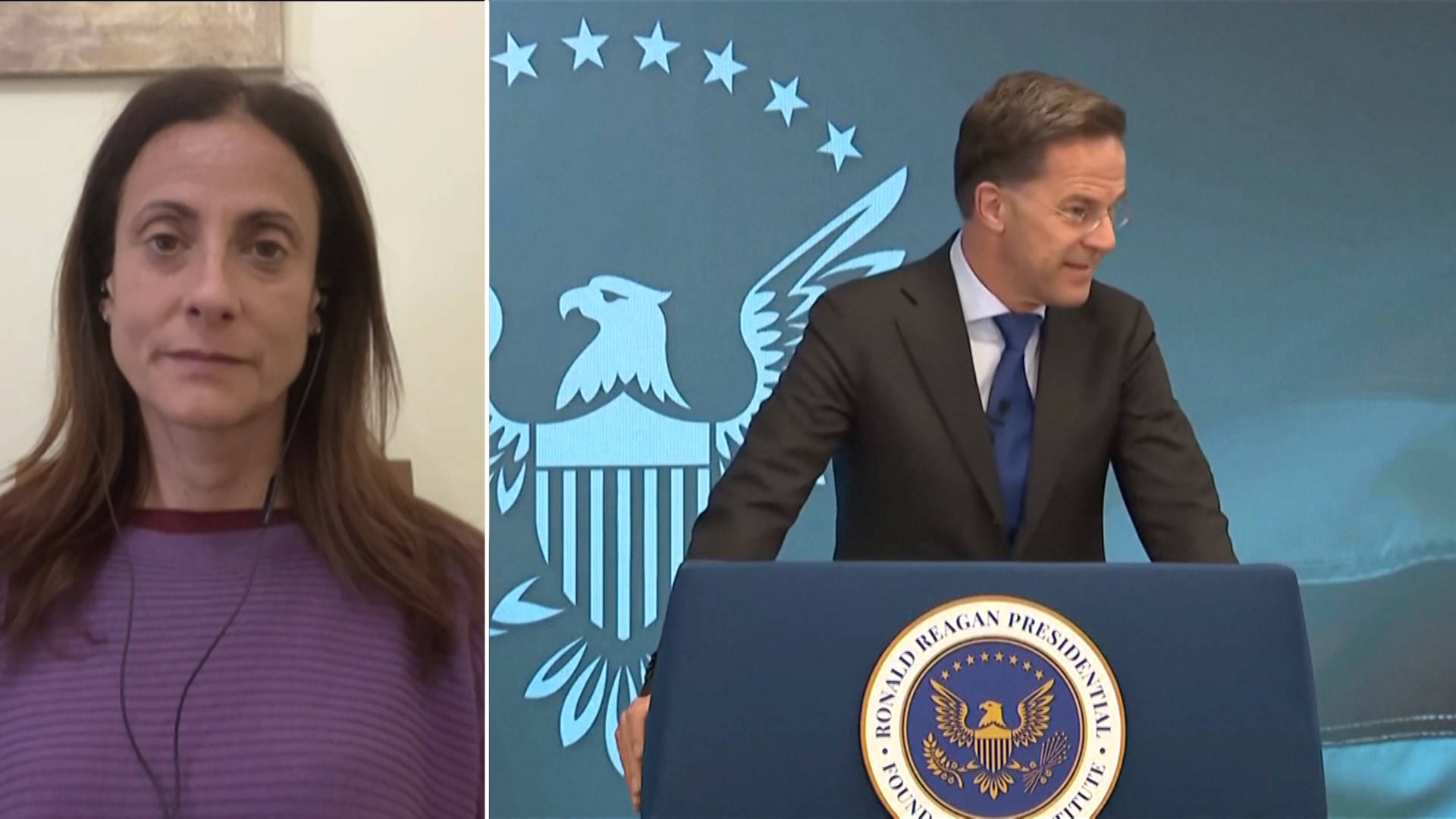
Secretary-General Mark Rutte has found himself in the difficult position of attempting to placate the U.S. President while maintaining the integrity of the alliance. On April 9, 2026, Rutte spoke at the Ronald Reagan Institute in Washington, where he dismissed “early obituaries” for NATO and insisted that allies are not “whistling past the graveyard” according to AP News.
But, the diplomatic effort is hampered by Trump’s unpredictability. Beyond the Iran war, the president has renewed threats to seize control of Greenland, a move that has deeply strained relations with NATO members and raised fears that a forced seizure could signal the end of the organization via the Los Angeles Times.
The perceived disdain for Europe is not new, but the current intensity is viewed by some experts as a breaking point. Nathalie Tocci, an international affairs scholar based in Madrid, notes that President Trump has been consistent in his disdain for Europe and NATO. She suggests that once trust in a relationship is broken, it is extremely difficult to recover.
What This Means for Global Security
The prospect of the U.S. Withdrawing from NATO would represent a historic shift in global security architecture. The alliance, founded to provide collective defense against aggression, relies heavily on the U.S. Military umbrella. A formal exit would leave Europe to navigate the Iran conflict and other regional threats without the primary logistical and military power of the United States.

The current crisis highlights a fundamental disagreement over the scope of NATO. While the alliance is designed for the defense of its member states, the U.S. Administration is attempting to leverage the alliance’s infrastructure to support a war in the Middle East—a conflict that the alliance was never consulted about and does not officially encompass via the Los Angeles Times.
For the European allies, the dilemma is two-fold: they must decide whether to concede to U.S. Demands for base access to keep the U.S. In the alliance, or maintain their sovereign opposition to the Iran war and risk a total collapse of the trans-Atlantic security partnership.
Key Points of Contention
- Military Base Access: The U.S. Is frustrated that allies refuse to allow the use of their bases for attacks against Iran.
- Sovereignty and Airspace: Spain has closed its airspace to U.S. Aircraft and France is reviewing requests on a case-by-case basis.
- Trade Disruptions: The closure of the Strait of Hormuz by Iran has led to U.S. Accusations that allies are not providing sufficient facilitate.
- Territorial Threats: Renewed U.S. Interest in seizing Greenland has further destabilized trust between the U.S. And its partners.
As of April 13, 2026, the situation remains volatile. The international community continues to monitor whether Mark Rutte’s diplomatic efforts can bridge the gap or if the U.S. Will move forward with its threats to exit the alliance. There are no further scheduled official summits announced at this time, but the ongoing tension suggests a critical juncture for the future of Western security.
World Today Journal encourages readers to share this report and join the conversation in the comments section below regarding the future of the trans-Atlantic alliance.
Keep reading
- Cockroach Janta Party Faces Backlash Over Videos of Resignation Party
- Seattle Food Festival Shooting: 15-Year-Old in Custody After 3 Killed
- The Senate Blue Slip, Explained: The Custom Trump Wants Gone (daybreakwire.com)
- Donald Trump Softens Diplomatic Tone Toward Ukraine by July 2026 (archyworldys.com)