The geopolitical landscape of the Middle East is undergoing a seismic shift as the United States continues its hardline approach toward Iran. In a series of developments that have sent ripples through global capitals, the current administration’s strategy has not only strained traditional alliances but has created a strategic vacuum that Beijing is rapidly filling.
For years, the United States has positioned itself as the primary security guarantor in the region. Yet, recent diplomatic and military friction suggests a pivot away from traditional negotiation. As the U.S. Grapples with internal and external pressures, its strategy on Iran is being viewed by international observers not merely as a bilateral conflict, but as a catalyst for a broader redistribution of global power.
This shift is most evident in the evolving relationship between Tehran and Beijing. Although Washington warns of consequences, the perceived instability of U.S. Foreign policy is driving regional players to seek more “predictable” partners. The result is a complex triangle of tension where the U.S. Attempts to isolate Iran, only to inadvertently strengthen the bond between Iran and China.
The Strategic Pivot: How China Emerged as the ‘Biggest Winner’
Recent analysis suggests that China has become the primary beneficiary of the ongoing conflict between the United States and Iran. According to reports, Beijing is increasingly appearing “strong and trustworthy” on the international stage, contrasting sharply with a United States that is described as “stumbling” in its Middle Eastern engagements BBC News.
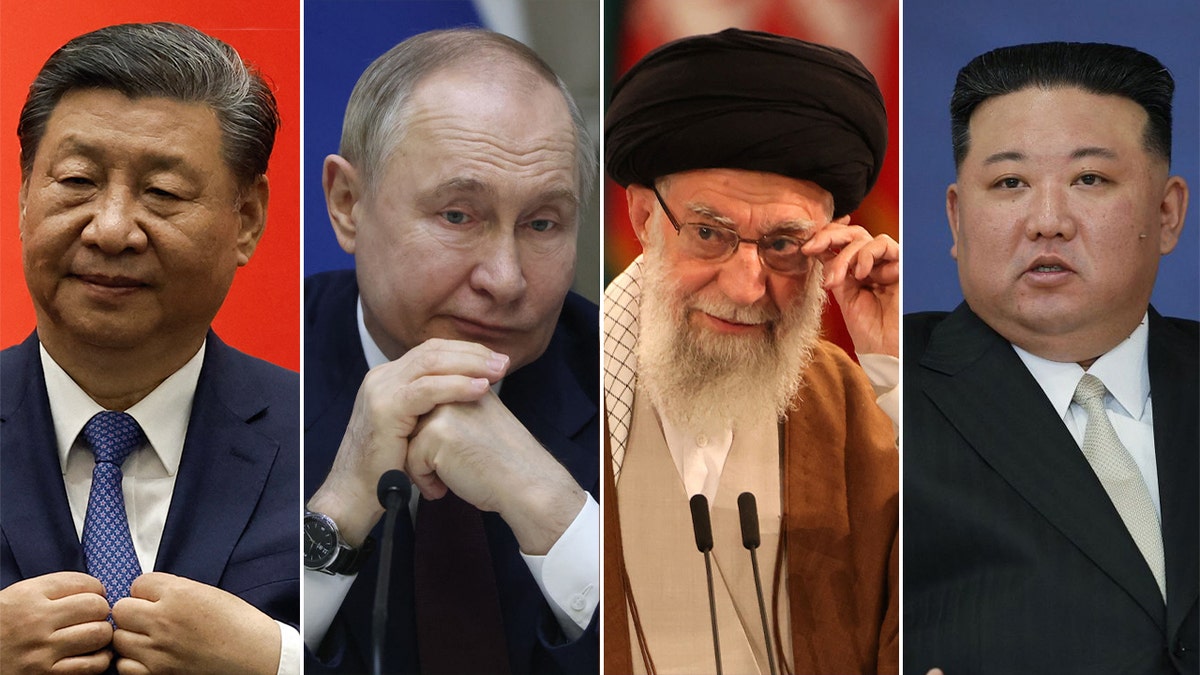
The attraction of China for regional allies is not necessarily rooted in a shared ideological framework, but in a perceived stability of purpose. As the U.S. Appears to struggle with its commitments and fractures its own alliances in Europe and the Middle East, countries that once viewed Washington as their sole protector are now reconsidering their dependencies. This shift is occurring even as the international community remains aware of China’s contentious record regarding human rights, the treatment of Uyghur Muslims, and its ambitions in Taiwan.
The “trustworthiness” attributed to China in this context is largely a reflection of its distance from the immediate chaos of the U.S.-Iran confrontation. By monitoring the situation from the periphery and offering economic and diplomatic alternatives, Beijing is positioning itself as a reliable alternative to a Washington that many allies now view as unpredictable.
Security Risks and the Strait of Hormuz
One of the most critical flashpoints in this confrontation remains the Strait of Hormuz, a narrow waterway through which a significant portion of the world’s oil passes. The strategic management of this corridor has become a source of profound anxiety for U.S. Allies. Reports indicate that the U.S. Administration’s perceived disregard for the impact that a potential closure of the Strait would have on its partners has forced those allies to re-evaluate their strategic alignment Elaph.
The Strait of Hormuz is more than a shipping lane; it is a geopolitical choke point. Any disruption here has immediate global economic consequences, affecting energy prices and supply chain stability. When allies perceive that the U.S. Is operating without a comprehensive plan to mitigate these risks, or is ignoring the economic vulnerabilities of its partners, the perceived value of the U.S. Security umbrella diminishes.
This vulnerability is precisely what China is leveraging. By presenting itself as a stabilizing force that prioritizes trade and economic flow over ideological confrontation, Beijing is effectively courting the very allies that the U.S. Is alienating through its current approach to Iran.
The Arms Race: US Intelligence and the Chinese Warning
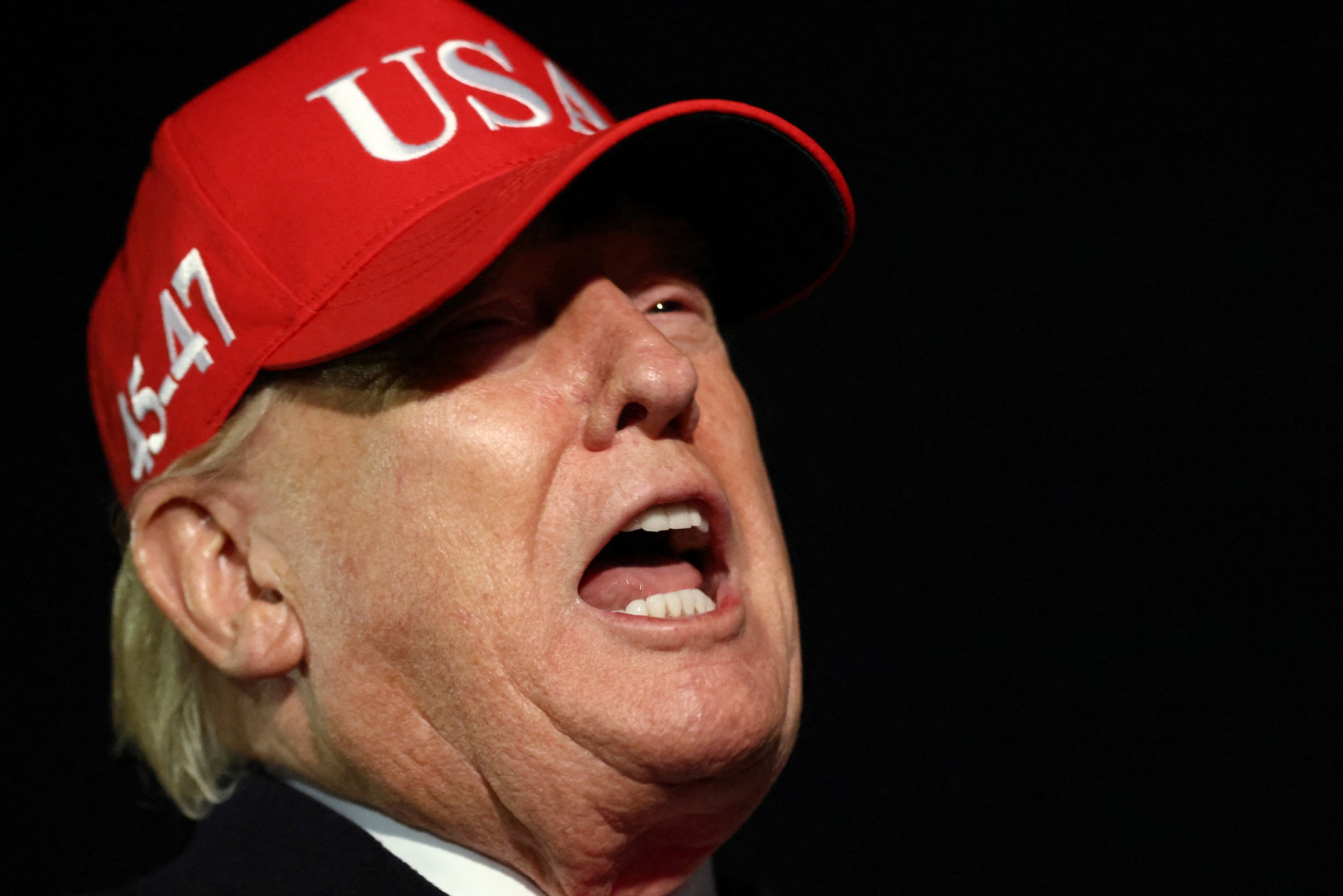
The tension has now escalated beyond diplomacy and economic pressure into the realm of advanced weaponry. On April 12, 2026, President Donald Trump warned that China would face “big problems” if it proceeded to ship weapons to Iran CNN.
This warning follows alarming U.S. Intelligence assessments. According to three sources familiar with recent intelligence evaluations, China is currently preparing to deliver new air defense systems to Iran within the coming weeks CNN. The introduction of advanced Chinese air defense technology would significantly alter the military balance in the region, potentially neutralizing some of the U.S. And Israeli aerial advantages.
The potential for such a transfer of technology represents a critical escalation. For the U.S., it is a violation of the strategic goal to keep Iran isolated and militarily constrained. For China, providing such systems would be a definitive statement of its role as Iran’s primary strategic partner, further cementing its influence in a region where the U.S. Is seen as losing its grip.
Key Implications of the US-China-Iran Triangle
| Stakeholder | Current Position | Strategic Risk |
|---|---|---|
| United States | Hardline isolation of Iran | Alienation of regional allies and loss of influence to China. |
| China | Strategic opportunism; potential arms supplier | Direct confrontation with U.S. Sanctions or economic retaliation. |
| Iran | Seeking advanced defense capabilities | Risk of increased U.S. Military escalation. |
| Regional Allies | Diversifying security partnerships | Economic instability if the Strait of Hormuz is disrupted. |
What So for Global Stability
The current trajectory suggests that the “maximum pressure” campaign is producing unintended consequences. While the goal may be to force Iran into submission, the actual result appears to be a geopolitical realignment. The world is witnessing the emergence of a bipolar Middle East, where the U.S. Maintains military presence but China wields increasing diplomatic and economic gravity.
The risk of miscalculation is high. With U.S. Intelligence reporting imminent arms shipments and the administration issuing stern warnings, the window for diplomatic de-escalation is closing. If China proceeds with the delivery of air defense systems, the U.S. May feel compelled to respond, not just with rhetoric, but with actions that could further destabilize an already volatile region.
the psychological shift among U.S. Allies is perhaps the most lasting impact. Once the belief in the “indispensability” of the United States is broken, it is rarely fully restored. The attraction of China is not based on a love for its governance, but on a pragmatic necessitate for a partner that does not “stumble” in its regional commitments.
As we move further into April 2026, the international community remains focused on the “coming weeks” to see if the reported air defense systems reach Iranian soil. This event will likely serve as the definitive marker of whether the U.S. Can still project power in the region or if the strategic center of gravity has officially shifted toward Beijing.
We will continue to monitor official statements from the White House and the Ministry of Foreign Affairs in Beijing for updates on these shipments. We invite our readers to share their perspectives on this shifting alliance in the comments below.
Keep reading