
The United States has moved to implement a naval blockade of the Strait of Hormuz, marking a severe escalation in the ongoing conflict between Washington and Tehran. President Donald Trump announced the move on Sunday, stating that the U.S. Navy will begin interdicting vessels in international waters that have paid tolls to Iran, following the collapse of diplomatic efforts to end the Iran war.
The decision comes after high-stakes peace talks held in Pakistan over the weekend failed to reach a resolution. The blockade is scheduled to begin on Monday, April 13, 2026, at 10 a.m. ET, according to a statement from U.S. Central Command (CENTCOM) reported by CNBC.
This strategic shift follows a brief window of optimism earlier this month. On Tuesday evening, April 7, 2026, President Trump had announced a two-week ceasefire agreement with Iran, an action that temporarily averted further immediate hostilities as detailed by Politico. However, that fragile truce has now shattered, returning the region to a state of high tension and unpredictable military movement.
For the global community, the U.S. Blockade of the Strait of Hormuz represents a critical threat to maritime stability. As one of the world’s most important oil transit chokepoints, any disruption in the strait can have immediate ripple effects on global energy prices and supply chains. The current U.S. Posture suggests a targeted economic strangulation of the Iranian government rather than a total closure of the waterway.
The Collapse of Diplomatic Efforts in Pakistan
The road to the blockade began with a series of diplomatic attempts to resolve the conflict. Talks held in Pakistan were intended to break the stalemate and extend the ceasefire, but negotiators were unable to find common ground. President Trump expressed his frustration on his social media platform, Truth Social, asserting that Iran would no longer be allowed to profit from what he termed an “illegal act of extortion.”
The failure of these talks highlights the deep-seated distrust and the divergent goals of the two administrations. While the U.S. Has sought a resolution that limits Iran’s regional influence and financial capabilities, Tehran has maintained its own set of demands. The transition from a ceasefire to a blockade in less than a week underscores the volatility of the current geopolitical climate.
Beyond the naval blockade, the U.S. Is weighing further military options. Reports indicate that the administration is considering the resumption of limited military strikes within Iranian territory to force a breakthrough in the stalled peace process via CNBC. This potential for kinetic action adds a layer of urgency to the situation, as the risk of a full-scale regional war increases.
CENTCOM Guidelines and Maritime Impact
To mitigate the impact on global trade and avoid unnecessary friction with neutral nations, U.S. Central Command has clarified that the enforcement action is more limited than the initial broad announcement. CENTCOM stated that the U.S. Military will not impede vessels transiting the strait to or from non-Iranian ports according to CNBC.
The primary target of the interdiction is vessels that have “paid a toll to Iran.” By focusing on the financial flow into Tehran, the U.S. Aims to strip the Iranian government of revenue generated from its control over the strait. This “seek and interdict” strategy effectively turns the U.S. Navy into a maritime customs and enforcement agency in international waters.
Commercial shipping companies have been alerted to the upcoming operation. CENTCOM indicated that additional information would be provided to commercial vessels prior to the 10 a.m. ET start time on Monday to ensure that non-targeted ships can navigate the area safely. Despite these assurances, the presence of high-readiness naval assets in such a narrow corridor inevitably increases the risk of miscalculation or accidental engagement.
From Ceasefire to Escalation
The rapid deterioration of relations since April 7 reflects a broader pattern of tension that has defined the U.S.-Iran relationship. The decision to go to war was not a sudden impulse but the result of extensive deliberation. Inside the Situation Room, President Trump weighed his instincts against intelligence assessments and the concerns of his vice president as reported by The New York Times.
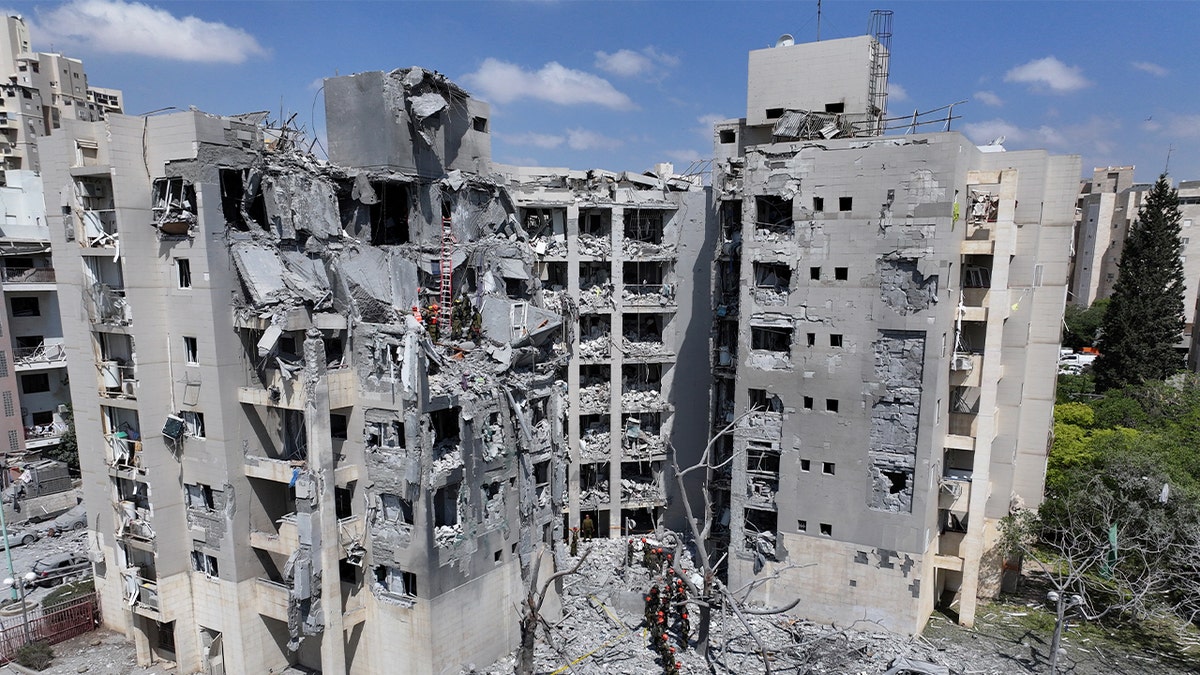
The brief two-week ceasefire was seen by many as a potential exit ramp. However, the inability to translate that pause into a lasting political agreement has led the U.S. To return to a policy of “maximum pressure,” now manifested as a physical blockade. The shift from diplomatic engagement in Pakistan to naval interdiction in the Gulf suggests that the administration believes economic and military leverage is the only viable path to a resolution.
The implications for the region are profound. Neighboring states and global superpowers must now navigate a landscape where one of the world’s most vital shipping lanes is under active U.S. Military enforcement. The stability of the global oil market now hinges on whether the blockade remains limited to Iranian-linked vessels or expands into a broader confrontation.
Key Takeaways of the Current Crisis
- Immediate Action: The U.S. Navy began implementing a blockade of the Strait of Hormuz on Monday, April 13, 2026, at 10 a.m. ET.
- Targeted Scope: The blockade specifically targets vessels that have paid tolls to Iran; ships traveling to and from non-Iranian ports are not to be impeded.
- Diplomatic Failure: The move follows the collapse of peace talks in Pakistan and the expiration of a ceasefire agreement established on April 7, 2026.
- Potential Escalation: The U.S. Is reportedly considering limited military strikes inside Iran to break the current stalemate.
The international community now awaits the first reports of interdictions and the reaction from Tehran. The next critical checkpoint will be the initial operational reports from CENTCOM following the 10 a.m. ET implementation, which will reveal the actual scale and rigor of the blockade’s enforcement.
World Today Journal encourages readers to share this report and join the conversation in the comments below regarding the impact of this escalation on global stability.
Related reading