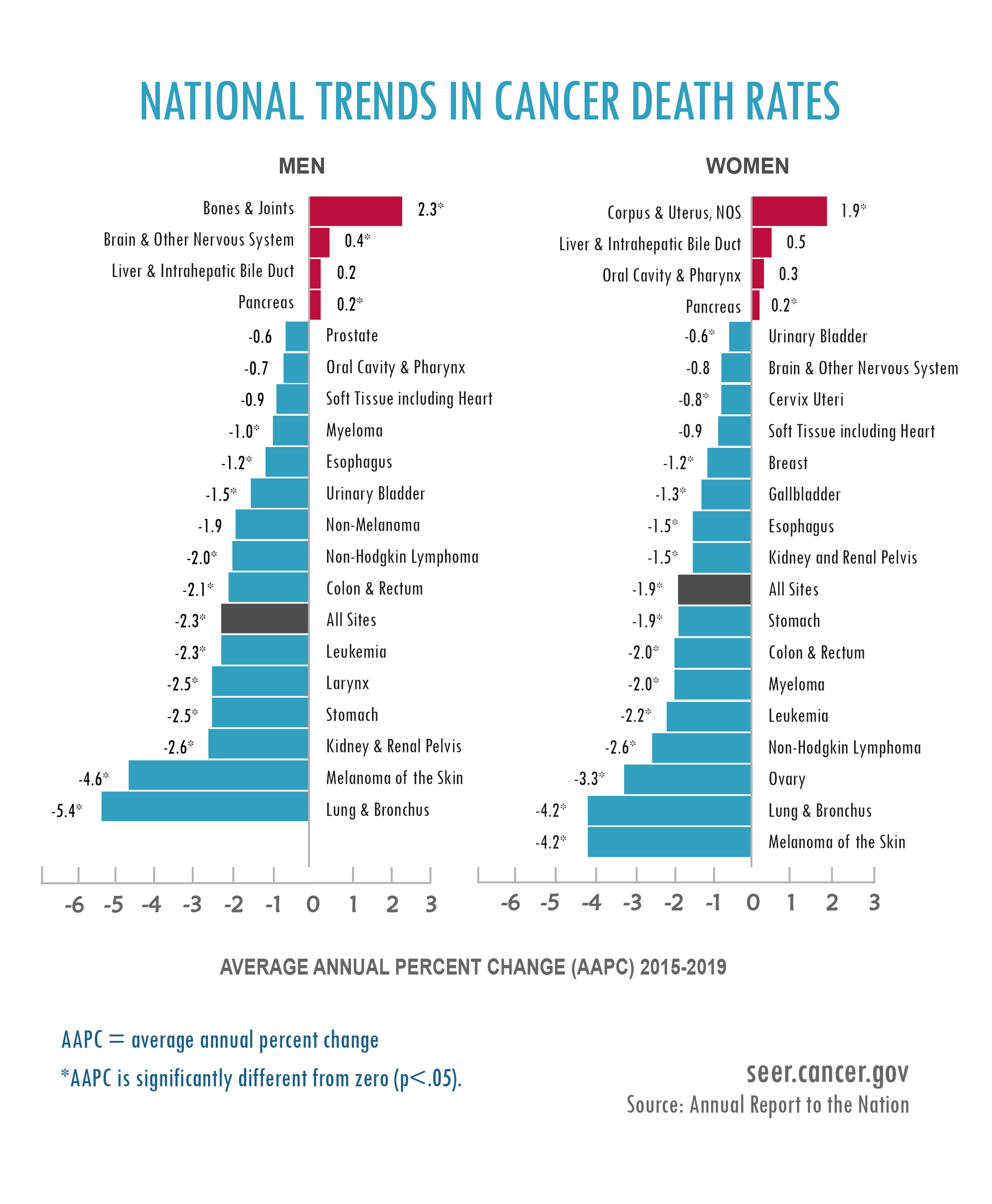
Recent data from the Bas-Rhin region of France reveals a stark increase in cancer incidence over the last four decades. Whereas the numbers may appear alarming at first glance, health officials emphasize that this trend mirrors broader national patterns rather than a localized crisis unique to Alsace.
According to data presented by the Ligue contre le cancer, the number of cancer cases in Bas-Rhin has more than doubled since 1975. Between 1975 and 1979, the departmental registry recorded an average of 2,896 cases per year among men and women. By the 2020-2021 period, that figure climbed to 7,030 annual cases L’Alsace.
This surge in cancer cases in Bas-Rhin is attributed to a combination of demographic shifts, improved medical detection, and evolving lifestyle factors. Despite the rise, experts note that the incidence rate is not significantly higher in Alsace than in other regions of France France Bleu.
Analyzing the Drivers of Increased Cancer Incidence
The rise in reported cases is not the result of a single factor but a convergence of several public health and demographic variables. Pr Simon Schraub, vice-president of the Ligue contre le cancer du Bas-Rhin, noted that the increase is partly explained by the growth and aging of the population. As life expectancy increases, the likelihood of developing cancer—which is often age-related—naturally rises.
Beyond demographics, the expansion of screening programs has played a critical role. More aggressive and widespread dépistage (screening) allows clinicians to identify cancers that might have gone undetected in previous decades, thereby increasing the total number of recorded cases in the registry.
Environmental and behavioral factors also contribute to the trend. Officials have highlighted an increased exposure to certain carcinogens and a shift in lifestyle habits. Specifically, there has been a notable increase in cancer rates among women. While the incidence rate for men rose from 625 to 718 new cases per 100,000 inhabitants, the rate for women saw a more significant jump, climbing from 356 to 505 per 100,000 L’Alsace.
One primary driver for the increase among women is the evolution of behavioral risks. Pr Simon Schraub specifically identified the increased consumption of tobacco and alcohol among women as key explanations for these shifting statistics.
The Role of the Bas-Rhin Cancer Registry
The ability to track these trends is made possible by the Registre des cancers du Bas-Rhin, which has been operating since 1975. This registry ensures the recording of all new cancer cases occurring among residents of the Bas-Rhin department, regardless of the patient’s age French National Cancer Institute (INCa).
This data collection is not an isolated effort. The registry works in collaboration with the Francim network, the Center for Epidemiology on Causes of Death in France, and the Biostatistics Service of the Hospices civils de Lyon. This partnership, supported by the National Cancer Institute and the National Public Health Agency, allows for the estimation of several key metrics:
- Incidence: The frequency of new cancer cases per year.
- Prevalence: The proportion of the population affected by cancer at a specific point in time.
- Mortality and Survival: Tracking how long patients survive following a diagnosis.
the registry contributes to international comparisons through projects like EUROCARE and CONCORD, and the International Agency for Research on Cancer (IARC), analyzing survival and frequency based on sex, age, and anatomical location of the tumor French National Cancer Institute (INCa).
Targeted Epidemiological Research
The Bas-Rhin registry also supports specialized studies to better understand specific risk factors. These include the ICARE study, which focuses on lung cancers and cancers of the upper aerodigestive tracts, as well as research into thyroid cancers and the AGRICAN study, which examines cancer risks specifically among farmers French National Cancer Institute (INCa).

Key Data Summary: Bas-Rhin Cancer Trends
| Metric | 1975-1979 Period | 2020-2021 Period |
|---|---|---|
| Average Annual Cases (Total) | 2,896 | 7,030 |
| Incidence Rate (Men per 100k) | 625 | 718 |
| Incidence Rate (Women per 100k) | 356 | 505 |
The data indicates that while both genders have seen an increase, the relative growth is more pronounced among women, reflecting the behavioral shifts mentioned by health officials.
For residents and patients in the region, these figures underscore the importance of participating in national screening programs and addressing lifestyle risk factors. The continued monitoring by the Bas-Rhin registry ensures that healthcare providers can adapt their strategies to the evolving epidemiological landscape.
The Ligue contre le cancer continues to monitor these trends to better inform public health policy and prevention strategies in the Alsace region.
We encourage readers to share this report and leave their thoughts in the comments section below regarding public health screening in their own regions.
Worth a look
- Community Connection: How NouVLR Supports Local Residents Post-Covid
- Eco-Friendly Scalp Care: Gentle Formulas for You and the Planet
- Tour de France Stage 21: Results and Training Tips for Repeatable Efforts (archynewsy.com)
- Rectal Cancer Surgery: Good Radiation Therapy Response May Allow Omission of Lateral Lymph Node Dissection (world-today-news.com)