The intersection of digital marketing and medicine has created a complex landscape for regulators and public health officials. A recent academic exchange regarding social media posts related to prescription drug promotion has highlighted a fundamental tension in how we monitor the digital space: the difference between rigorous clinical research and the broader necessity of public health surveillance.
At the heart of this debate is a research letter and a subsequent reply addressing a critique from a group of researchers, including a Ms. Chen. The disagreement centers on whether the methodology used to track drug promotion on social media was sufficient, or if the study’s objectives were misunderstood by its critics.
For those of us in the medical community, this isn’t just an academic spat. As a physician and journalist, I’ve seen how the rapid spread of pharmaceutical information on platforms like X, Instagram, and TikTok can bypass traditional safeguards, potentially influencing patient behavior before a doctor even enters the room. When researchers attempt to quantify this “digital noise,” the methods they use are under intense scrutiny.
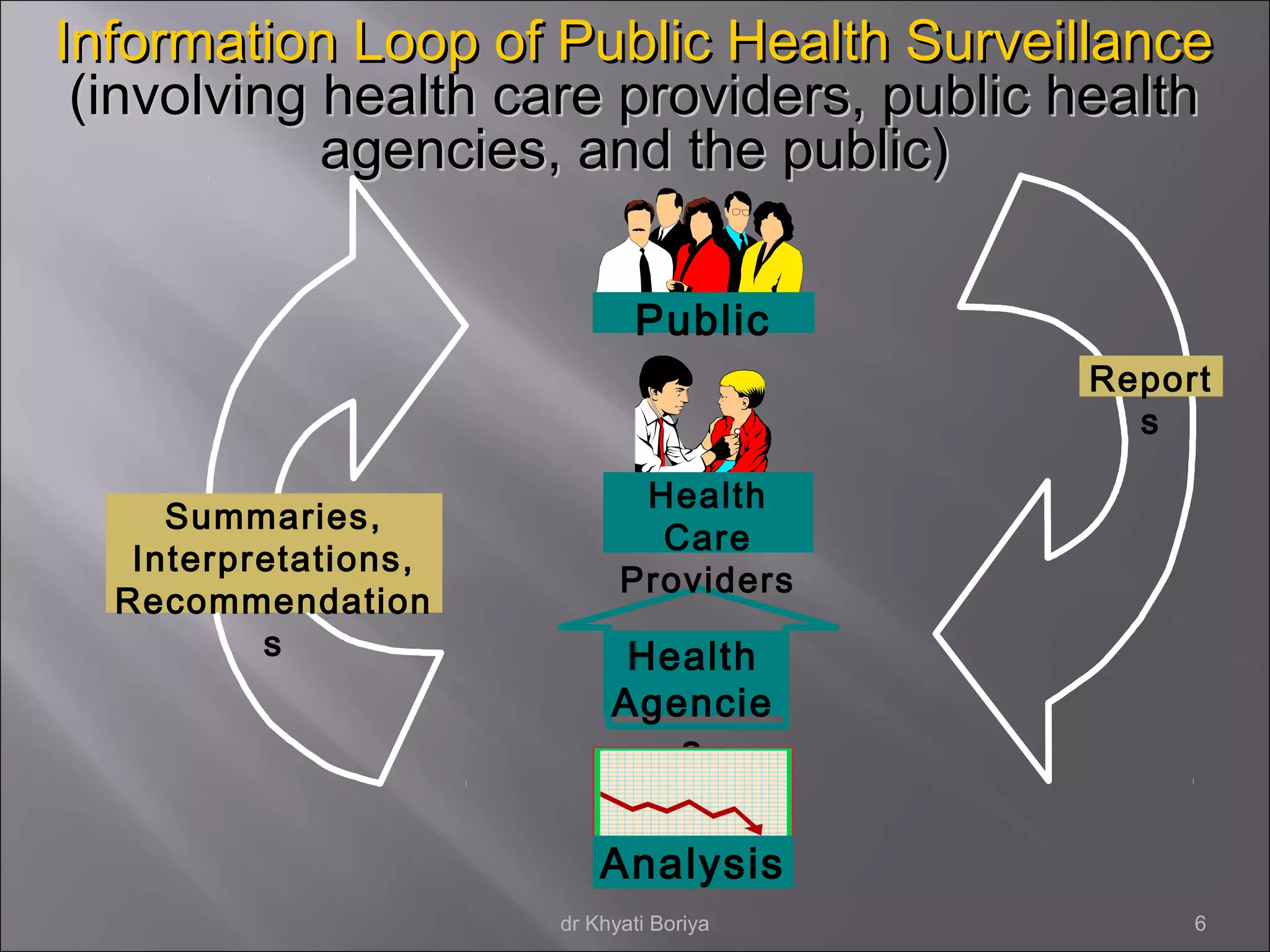
The authors of the reply argue that the critique they received rests on a misunderstanding of the study’s core objective. Rather than attempting to provide a definitive, gold-standard clinical analysis, the function was designed as public health surveillance—a tool used to identify trends and patterns in real-time to inform broader policy and safety decisions.
Defining Public Health Surveillance in the Digital Age
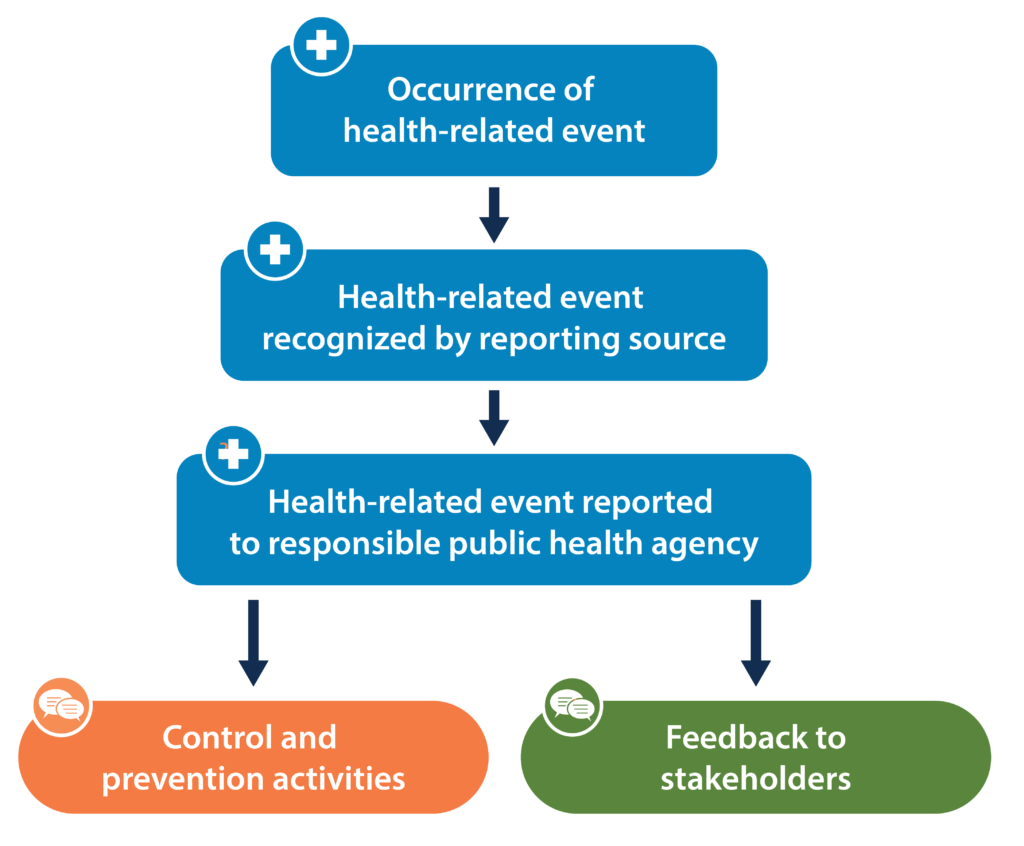
To understand why this distinction matters, we have to look at what public health surveillance actually is. Unlike a clinical trial, which is designed to prove the efficacy of a specific intervention under controlled conditions, surveillance is about “watching” the population. It is an ongoing, systematic collection and analysis of health-related data.
In the context of prescription drug promotion, surveillance involves monitoring how medications are discussed, marketed, and encouraged online. The goal is not necessarily to achieve a perfect sample size or a flawless methodology that would satisfy a clinical peer review, but to capture a snapshot of the environment to identify potential risks to public safety.
The authors of the reply emphasize that their data reporting was aligned with this goal. When critics point to methodological gaps, they may be applying the standards of a randomized controlled trial to a project that is essentially a digital “smoke detector”—designed to alert officials that something is happening, even if it cannot pinpoint the exact origin of every spark.
The Challenges of Monitoring Pharmaceutical Promotion
Monitoring the promotion of prescription drugs on social media is notoriously challenging for several reasons. First, the sheer volume of data is overwhelming. Second, the line between a patient sharing a personal experience and a company subtly promoting a product is often blurred.
Regulatory bodies typically have strict rules about how prescription drugs can be marketed. These rules usually require a “fair balance” of benefit and risk information. However, social media posts—often limited by character counts or designed for quick consumption—rarely provide this balance. This creates a gap in patient education that public health surveillance seeks to measure.
The dialogue between the original researchers and Ms. Chen’s team underscores the difficulty of standardizing these measurements. While the reply welcomes “methodological dialogue,” it asserts that the critique missed the mark by ignoring the specific intent of the study. This reflects a broader struggle in medical informatics: how do we apply scientific rigor to the chaotic, unstructured data of the internet?
Why This Matters for Patients and Providers
When public health surveillance is dismissed due to methodological disagreements, we risk losing the “early warning systems” that protect patients. If we insist that every study on social media trends must meet the highest clinical standards, we may never produce any data at all, since the nature of social media is inherently unstable and non-standardized.

For healthcare providers, these surveillance efforts provide a glimpse into what their patients are seeing online. If a specific drug is being promoted aggressively via influencers or viral posts, doctors can proactively address these trends during consultations, correcting misinformation before it leads to inappropriate medication requests.
Navigating the Future of Medical Information
The debate over social media posts related to prescription drug promotion is a precursor to larger challenges involving AI and automated health communication. As we see more AI-driven tools entering the clinical space, the need for robust, real-time surveillance becomes even more critical.
The academic community must find a middle ground where the rigor of medical science meets the agility of digital surveillance. The “misunderstanding” cited in the reply to Ms. Chen is a symptom of this growing pain. One side is looking for a microscope, while the other is providing a wide-angle lens.
the goal of these studies is to ensure that the digital environment does not compromise patient safety. Whether through a research letter or a formal surveillance report, the objective remains the same: protecting the public from misleading pharmaceutical claims in an era of instant connectivity.
As these discussions continue to evolve in medical journals, the next step will likely involve the development of more standardized frameworks for “digital surveillance” that are accepted by both clinical researchers and public health officials. We can expect further updates as regulatory agencies refine their guidelines for monitoring social media influence on prescription habits.
Do you think social media has a significant impact on the medications you or your loved ones discuss with your doctors? We invite you to share your experiences in the comments below and share this article to join the conversation on digital health safety.
Related reading
- Relative Fat Mass Linked to Female Infertility in NHANES Study
- CAR T-Cell Therapy for Autoimmune Diseases: Safe Pregnancies and Healthy Babies
- OC Transpo Riders Voice Concerns at Public Town Halls (archynewsy.com)
- Havenwood Heritage Heights Concord NH: Fitness Centers, Outdoor Activities, and Health Services for Seniors (news-usa.today)