
Research from the NHANES 2013–2020 cycles indicates a link between relative fat mass (RFM) and female infertility in reproductive-aged women. While Body Mass Index (BMI) remains a standard health metric, separate data from a 2024 study in Yangzhou, China, shows BMI has a nonlinear relationship with physical fitness among college students.
The reliance on weight-based metrics to determine health outcomes is facing scrutiny as new data suggests a disconnect between total mass and functional health. While NHANES data focuses on how relative fat mass correlates with reproductive challenges in women, a separate cross-sectional study in China highlights how BMI can misrepresent physical capability.
Relative Fat Mass and Female Infertility
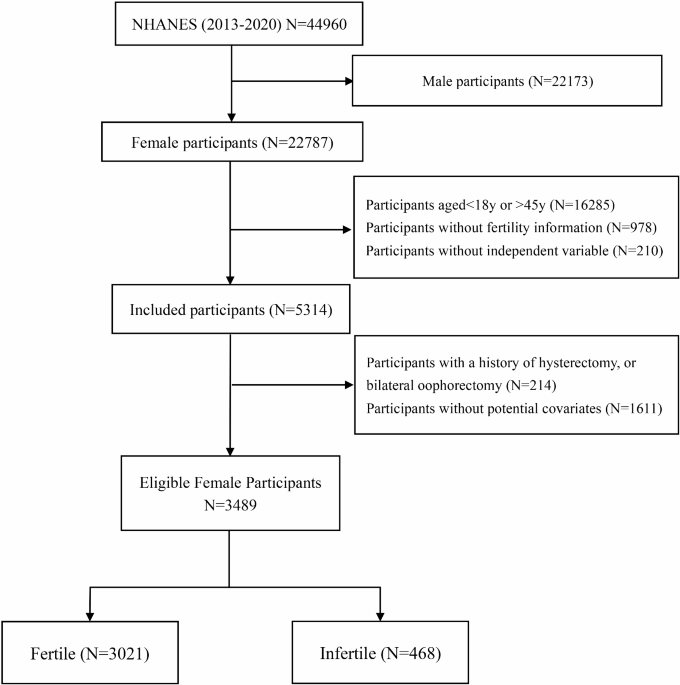
A study utilizing data from the National Health and Nutrition Examination Survey (NHANES) examined the relationship between relative fat mass (RFM) and infertility among women aged 18 to 45. The researchers extracted data from the 2013–2020 cycles, starting with 44,960 participants before applying strict exclusion criteria. The final analysis focused on a sample of 3,489 female participants, including 468 with infertility and 3,021 without.
To determine infertility status, the study relied on self-reported data. Participants were classified as infertile if they answered “yes” to either attempting to conceive for at least one year without success or consulting a healthcare provider due to an inability to conceive. RFM was calculated using a specific formula involving height and waist circumference (WC), both measured by trained technicians at mobile examination centers.
The analysis adjusted for several confounding variables to isolate the impact of fat mass.
- Demographics: Age, race, education level, marital status, and family poverty-to-income ratio.
- Lifestyle: Smoking status, alcohol consumption (defined as 12 or more drinks in the past year), and physical activity levels.
- Comorbidities: The presence of diabetes mellitus and hypertension.
Nonlinear BMI Trends in Yangzhou College Students
While the NHANES study looks at reproductive health, research conducted in Yangzhou, China, during the 2024 academic year examined how BMI relates to physical fitness. The study collected data from 28,861 undergraduate students across their first through fourth years.
The findings revealed a nonlinear association between BMI and physical fitness. Students within the “normal” BMI range achieved the highest overall fitness scores. Conversely, those categorized as underweight, overweight, or obese performed worse across most tests. A higher BMI specifically correlated with poorer performance in muscle strength, endurance, and speed, though lung capacity actually increased as BMI rose.
Gender played a significant role in these results. Female students demonstrated higher overall physical fitness levels than their male counterparts. Among men, the decline in physical fitness was more pronounced as BMI increased.
The Limitations of BMI as a Health Proxy
The discrepancy between weight and actual health is a recurring theme in clinical discussions. Because BMI does not distinguish between muscle and fat, it can misclassify individuals.

The broader medical consensus reflected in these sources is that weight alone is an inconsistent predictor of health. A person’s actual health status is determined by a combination of genetic factors, fitness, lean mass, environmental risks, and behaviors, rather than a single number on a scale.
Global Obesity Trends and Future Monitoring
The need for more accurate metrics is underscored by the rising prevalence of obesity among young adults. World Health Organization data from 2022 indicates that 2.5 billion adults worldwide were overweight, with 890 million meeting obesity criteria. In China, the obesity rate among college students has reached 12.7%, with a trend toward younger age groups.
Because the Yangzhou study was cross-sectional, researchers noted that causal relationships between BMI and physical fitness cannot yet be established. The study concludes that longitudinal research is necessary to fully understand these dynamics and to develop stratified intervention strategies for students.
Keep reading