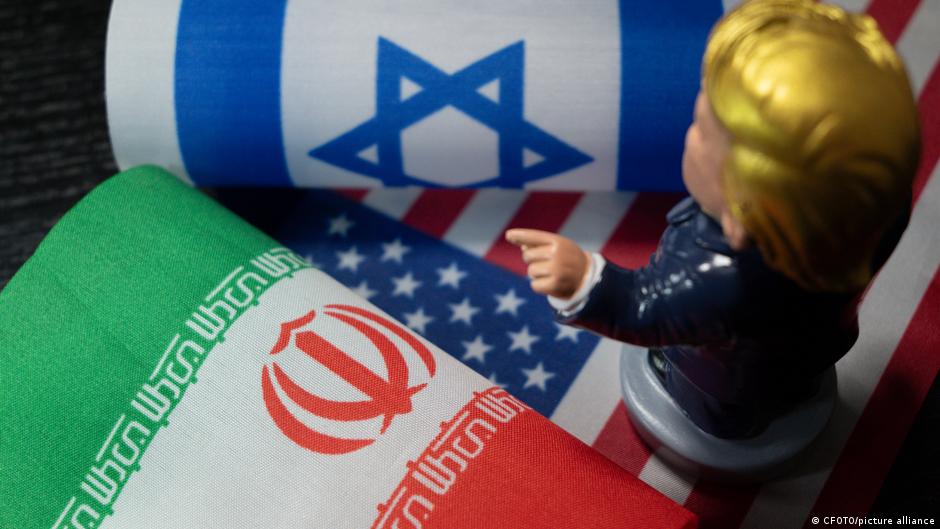
The United States Navy began enforcing a strategic blockade of Iranian ports and maritime traffic in the Strait of Hormuz at 10 a.m. ET on Monday, April 13, 2026 NBC News. The move follows the collapse of peace talks in Islamabad between Washington and Tehran, which ended without a deal, reigniting a volatile tussle over one of the world’s most critical energy chokepoints Al Jazeera.
This US blockade of the Strait of Hormuz comes after President Donald Trump vowed to block any and all ships from attempting to enter or leave the waterway. The escalation has triggered immediate volatility in global markets, sending stocks falling and driving the price of crude oil above $100 per barrel NBC News.
The blockade represents a significant shift in US strategy, occurring shortly after a two-week ceasefire came into force. That ceasefire had been established after President Trump threatened to “obliterate the ‘whole civilization’” of Iran if the waterway—through which approximately 20% of the world’s oil passes—was not reopened NBC News.
Defining the Scope: Iranian Ports vs. Neutral Transit
To address international concerns regarding the legality and impact of the operation, U.S. Central Command (CENTCOM) has provided specific clarifications on how the blockade will be executed. According to CENTCOM, the blockade is designed to target only maritime traffic entering and exiting Iranian ports, including those located on the Persian Gulf and the Gulf of Oman NBC News.
The military command emphasized that U.S. Forces will not impede “freedom of navigation” for vessels that are simply transiting the strait to or from non-Iranian destinations Al Jazeera. CENTCOM stated that the enforcement against vessels entering or departing Iranian ports would be carried out “impartially” NBC News.
The operation began officially at 14:00 GMT on Monday Al Jazeera. This follows weeks of pressure from the Trump administration on Tehran to reopen the waterway.
Economic Impact and Global Energy Security
The announcement and subsequent implementation of the blockade have sent shockwaves through global energy markets. Due to the fact that the Strait of Hormuz serves as a primary artery for global oil supplies, the threat of disruption has caused crude oil prices to soar beyond the $100 mark NBC News.
Analysts warn that the move could worsen an existing global energy crisis. The strategic importance of the region is underscored by the fact that roughly 20% of the world’s oil passes through this narrow corridor NBC News. The market reaction reflects deep uncertainty over how the blockade will function in practice and whether it will lead to further kinetic conflicts in the region.
Diplomatic Failure and Strategic Escalation
The blockade is the direct result of failed diplomatic efforts in Islamabad. The breakdown of these talks has led analysts to view the naval action as a “substantial escalation” in the ongoing conflict involving the U.S., Israel, and Iran Al Jazeera.
Chris Featherstone, a political scientist at the University of York, suggests that the blockade is being utilized as a negotiation tool. According to Featherstone, the move is an attempt to leverage maritime pressure to force Iran to comply with U.S. Goals in negotiations, particularly after President Trump claimed that Iran “holds no cards” Al Jazeera.
International Reactions
The U.S. Move has not received universal support among its allies. United Kingdom Prime Minister Keir Starmer has explicitly stated that the UK will not support the U.S. Blockade of the Strait of Hormuz Al Jazeera.
| Detail | Status/Fact |
|---|---|
| Effective Date | Monday, April 13, 2026, 10 a.m. ET / 14:00 GMT |
| Primary Target | Vessels entering or leaving Iranian ports |
| Exemptions | Neutral transit to/from non-Iranian destinations |
| Economic Trigger | Crude oil prices surged above $100 |
| Diplomatic Context | Failed peace talks in Islamabad |
As the U.S. Navy continues to enforce these restrictions, the world remains focused on whether Tehran will respond with its own maritime countermeasures or if a new diplomatic channel will open to avert a wider conflict. For now, the blockade remains active, targeting only Iranian-bound and Iranian-originating traffic.
We will continue to monitor official updates from CENTCOM and the State Department regarding the status of the blockade and any further diplomatic developments. We invite our readers to share their perspectives on the global energy implications of this escalation in the comments below.