
Diplomatic efforts to stabilize the border between Israel and Lebanon have hit a significant wall as Hezbollah has declared it will not abide by any agreements reached in upcoming direct talks between the two nations in the United States. This refusal underscores the deepening divide and the volatility of a conflict that has seen massive displacement and severe degradation of Hezbollah’s military capabilities.
The tension escalated recently with Wafiq Safa, a senior member of Hezbollah’s political council, stating in an interview on Monday, April 13, 2026, that the group would not recognize the outcomes of these U.S.-hosted negotiations AP News. This stance comes as Israel continues to intensify its ground invasion and airstrikes in southern Lebanon, aiming to establish a security zone along the Litani River, approximately 20 miles (32 kilometers) from the border AP News.
The current crisis is part of a wider escalation that began on October 8, 2023, when Hezbollah launched rockets into Israel in solidarity with Hamas following the start of the Gaza war BBC. While a ceasefire agreement was announced on November 27, 2024, requiring both forces to leave southern Lebanon, the stability of that deal has been fragile. Airstrikes between the two parties resumed on March 2, 2026, following the 2026 Iran war and the assassination of Ali Khamenei Wikipedia.
The human cost of this protracted conflict has been devastating. Since October 8, 2023, more than a million people have been displaced within Lebanon BBC. In the most recent wave of violence, Israeli strikes have targeted the Lebanese capital, Beirut, with one specific series of attacks last week killing over 350 people AP News.
The Strategic Deadlock: Why Hezbollah Rejects Negotiations
Hezbollah’s refusal to participate in or abide by the U.S.-led talks is rooted in its fundamental ideology and its relationship with Iran. Formed in 1982 to resist the Israeli invasion of southern Lebanon, the group—whose name means “Party of God”—has consistently maintained that its confrontation with Israel should only complete when Israel is “removed from existence” BBC.
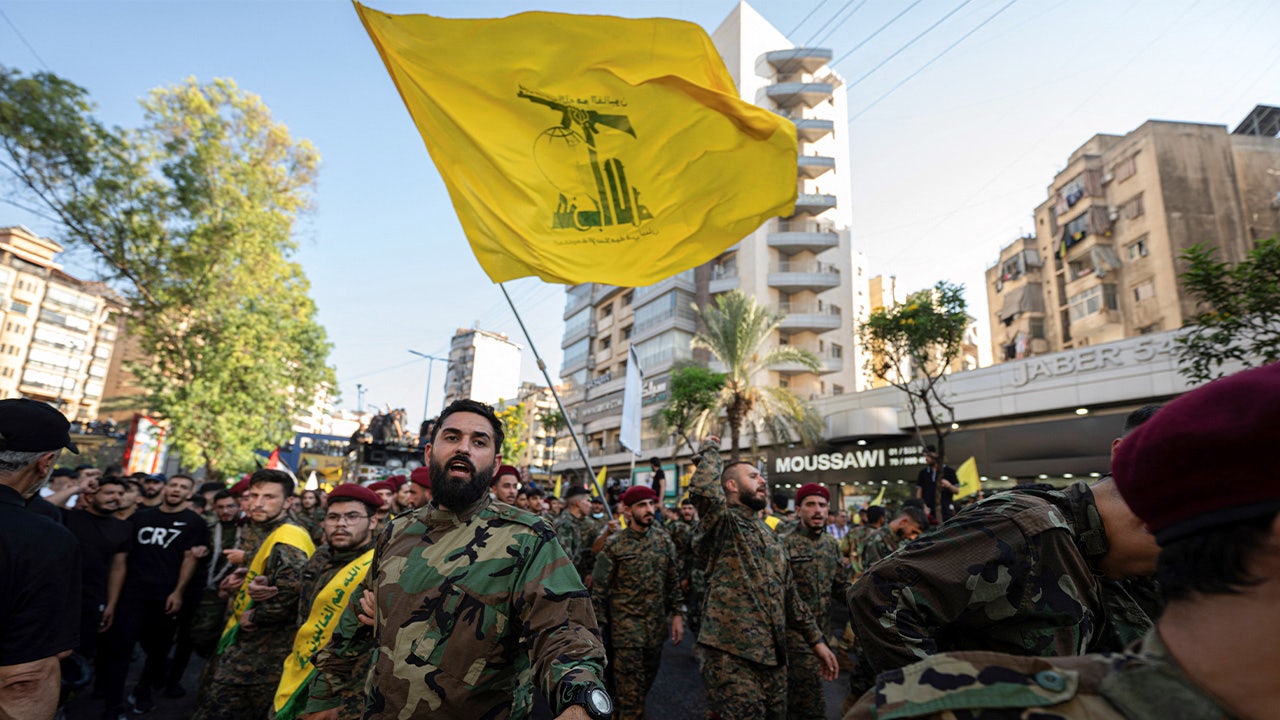
The group’s current military standing is precarious. Israeli offensives have severely weakened Hezbollah, including the assassination of its head, Hassan Nasrallah Wikipedia. Despite these losses, the group continues to project defiance through its political council. The rejection of the current diplomatic track suggests that Hezbollah views the proposed terms—likely involving the creation of an Israeli-monitored security zone—as an unacceptable infringement on Lebanese sovereignty and its own operational freedom.
The geopolitical complexity is further compounded by the “axis of resistance,” a network of allies including Hamas, the Houthis in Yemen, and the Islamic Resistance in Iraq, all backed by Iran Wikipedia. Because Hezbollah operates as both a political party in Lebanon and a paramilitary force, any agreement made by the Lebanese government in the U.S. May not be binding for the militant wing, which maintains its own independent command structure.
Israeli Military Objectives and the Litani River Zone
Israel’s current strategy focuses on creating a physical buffer to prevent future rocket attacks on its northern civilian populations. The intent to create a security zone along the Litani River is a central pillar of this strategy AP News. By pushing Hezbollah forces back from the border, Israel hopes to ensure that tens of thousands of its own citizens, who were forced from their homes, can safely return.
The military campaign has been aggressive. An offensive in southern Lebanon killed approximately 4,000 people, including many civilians BBC. Israel has also targeted high-ranking Hezbollah officials to degrade the group’s leadership. According to reports, the Israeli military has claimed to have killed the nephew and secretary of the Hezbollah leader CNBC Indonesia.
The human impact remains a focal point of international concern. Reports indicate that Israeli strikes have caused severe casualties among non-combatants, including a reported incident where a baby girl was killed during her father’s funeral Kompas.id.
Timeline of the 2023-2026 Conflict
| Date | Event | Impact/Outcome |
|---|---|---|
| October 8, 2023 | Hezbollah begins rocket fire | Solidarity with Hamas; start of current escalation BBC |
| September 2024 | Israeli air campaign & ground invasion | Hezbollah severely weakened; thousands killed BBC |
| November 27, 2024 | Ceasefire agreement announced | Required both forces to leave southern Lebanon BBC |
| March 2, 2026 | Airstrikes resume | Following 2026 Iran war and death of Ali Khamenei Wikipedia |
| April 13, 2026 | Hezbollah rejects US talks | Wafiq Safa states group will not abide by agreements AP News |
What Happens Next?
The immediate future of the region depends on whether the United States can discover a diplomatic formula that satisfies Israel’s security requirements without triggering a total rejection from Hezbollah. However, with Hezbollah’s political council already preemptively dismissing the talks, the likelihood of a sustainable agreement appears slim.
Israel’s continued occupation of parts of southern Lebanon and its efforts to establish the Litani River security zone will likely remain the primary flashpoints. As long as Hezbollah views any diplomatic settlement as a surrender of its ideological goals or a concession to Israeli territorial demands, sporadic fighting is expected to continue Wikipedia.
The next critical checkpoint will be the commencement of the direct talks in the United States. Whether the Lebanese government can exert enough pressure on Hezbollah to accept a compromise, or if the group will continue to operate independently of state diplomacy, will determine if the region moves toward a lasting peace or further escalation.
We invite our readers to share their perspectives on the diplomatic challenges in the Middle East in the comments below. Please share this report to keep others informed on the evolving situation in Lebanon.
Keep reading
- Carson Beck to Make NFL Debut with Arizona Cardinals in Hall of Fame Game
- Mediterranean Sea Faces Environmental Crisis as Christopher Nolan Debuts The Odyssey
- Russian Missile and Drone Strikes Kill at Least 14 in Kyiv Region (archyworldys.com)
- Israeli Forces Destroy Hezbollah Tunnels in Southern Lebanon with Massive Blasts (time.news)