
The automotive landscape is currently defined by a stark divide: the push toward high-end electrification and the growing consumer demand for practical, budget-conscious transport. In an effort to bridge this gap, the fresh Opel Frontera arrives as a strategic response to the modern family’s dilemma—choosing between affordability, space, and sustainable technology.
Returning a nameplate that once symbolized rugged utility, the new Frontera is not a nostalgic exercise but a calculated market play by Stellantis. The vehicle is designed to eliminate the “difficult choices” typically faced by buyers who need a versatile family car but are priced out of the premium SUV segment or are not yet ready to commit fully to a battery-electric vehicle (BEV).
As a senior observer of global markets, I notice this move as a critical pivot. For years, the industry has trended toward “premiumization,” leaving a void in the entry-level family segment. By positioning the Frontera as an accessible, no-nonsense crossover, Opel is targeting a demographic that prioritizes cubic centimeters of storage and low monthly payments over luxury flourishes.
Bridging the Gap: Affordability Meets Utility
The core philosophy behind the new Opel Frontera is the avoidance of compromise. Traditionally, budget SUVs have forced consumers to sacrifice either interior volume or modern safety and efficiency standards. Opel aims to disrupt this trend by offering a vehicle that maximizes internal space within a compact exterior footprint.
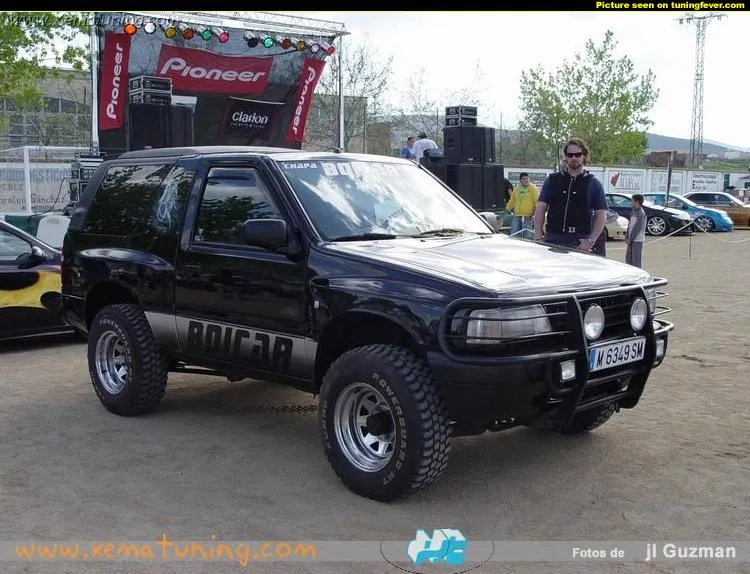
The vehicle is engineered for the “real-world” family. This means a focus on durable materials, intuitive ergonomics, and a layout that accommodates child seats and groceries without requiring a logistical plan. By streamlining the design and focusing on essential utility, Opel is attempting to keep the price point competitive in a market where inflation has driven the average cost of new vehicles to historic highs.
This strategy aligns with a broader shift in the European automotive market. Whereas regulatory pressures push for zero-emission vehicles, a significant portion of the population remains reliant on internal combustion engines due to infrastructure gaps or financial constraints. The Frontera addresses this by offering multiple powertrain options, ensuring that the transition to electric is a choice rather than a forced mandate.
Technical Versatility and Powertrain Strategy
To achieve its goal of broad accessibility, the new Frontera utilizes a flexible platform that supports both electric and internal combustion engines (ICE). This dual-track approach is essential for maintaining sales volume across diverse European regions where EV adoption rates vary wildly.
The electric version of the Frontera is designed to provide sufficient range for urban commuting and occasional long-distance travel, avoiding the “range anxiety” associated with ultra-budget EVs. Meanwhile, the combustion variants offer a reliable, lower-cost entry point for buyers who cannot access home charging or prefer the predictability of traditional fuel.
From a design perspective, the vehicle adopts the “Opel Vizor” front end, maintaining a cohesive brand identity while utilizing a boxier silhouette to maximize headroom and cargo capacity. This “form follows function” approach ensures that the vehicle remains practical for five passengers, a rarity in the shrinking dimensions of many modern “compact” crossovers.
The Stellantis Strategic Blueprint
The launch of the Frontera is a key component of the Stellantis group strategy to democratize mobility. By sharing platforms and components across its various brands, Stellantis can achieve the economies of scale necessary to produce a vehicle that is both affordable and profitable.
For Opel, the Frontera serves as a volume driver. In the current economic climate, the ability to capture the “value” segment is as important as competing in the luxury space. The vehicle is positioned to attract first-time SUV buyers and young families who are migrating away from traditional hatchbacks in search of a higher driving position and more versatility.
this move allows Opel to maintain a strong presence in markets where the cost of living crisis has made high-interest car loans a deterrent. By offering a vehicle that avoids “difficult choices” regarding price and utility, Opel is effectively insulating itself against the volatility of the premium market.
Key Value Propositions of the New Frontera
| Feature | Traditional Budget SUV | New Opel Frontera Approach |
|---|---|---|
| Interior Space | Often cramped in rear seats | Maximized volume for families |
| Powertrain | Usually single-option (ICE or EV) | Multi-energy (ICE and Electric) |
| Pricing | Low cost, but low quality | Value-driven with brand reliability |
| Target User | Single drivers/Couples | Practical family households |
Market Impact and the Future of the Compact Crossover
The introduction of the Frontera puts pressure on competitors in the B-SUV and C-SUV segments. As consumers develop into more discerning about “value for money,” the success of the Frontera will likely depend on its ability to deliver a perceived quality that exceeds its price point.
The broader implication for the industry is a potential return to the “honest car”—vehicles that do not pretend to be luxury items but excel at the basic task of transporting people and goods efficiently. If the Frontera succeeds, it may signal a trend where manufacturers prioritize utility and accessibility over the relentless pursuit of high-margin, feature-heavy trims.
What happens next for the Frontera will be determined by its reception in the European market. The balance between the electric and ICE versions will serve as a real-time barometer for consumer readiness for the EV transition. For the buyer, the result is a vehicle that removes the stress of choosing between a car they can afford and a car that actually fits their life.
The next official milestone for the vehicle will be the rollout of localized pricing and full specification sheets across European markets, which will confirm exactly how “affordable” the Frontera will be in practice.
Do you believe the industry is returning to a focus on practical, affordable vehicles, or is the shift to premium EVs inevitable? Share your thoughts in the comments below.
Worth a look