
Blood donation remains a cornerstone of modern healthcare, providing a critical lifeline for countless patients facing acute and chronic medical conditions. In France, the commitment of volunteer donors is essential to maintaining a stable supply of blood products, which are used daily to treat everything from cancer and chronic blood disorders to sudden, severe hemorrhages.
The impact of these contributions is substantial. Approximately 1 million patients are treated every year in France thanks to the generosity of volunteer citizens. This collective effort ensures that hospitals have the necessary resources to perform life-saving interventions and provide long-term care for those with complex health needs.
Managing these needs falls to the Établissement français du sang (EFS), the public blood service in France. The EFS is tasked with supplying the country with blood products through a network of donors and partner associations. Beyond simple collection, the organization is involved in medical biology analysis, cellular and tissue therapy, and ongoing medical research to improve transfusion safety and efficacy.
Understanding the Different Types of Blood Donations
Depending on the medical need, different components of the blood are collected. Donors can provide whole blood or specific components such as plasma and platelets, each serving a distinct purpose in patient care.
Whole Blood Donation
A whole blood donation is the most common type of gift. This process takes approximately 10 minutes and allows for the simultaneous collection of all blood components. These are used for a wide range of needs, including regular transfusions for cancer patients or emergency interventions for hemorrhages during childbirth.
Plasma Donation
Plasma donation takes an average of 45 minutes. Plasma is primarily used to create medications derived from plasma, which are vital for treating roughly 500,000 patients annually in France. Those who benefit from these treatments include people with hemophilia, immunodeficient patients, and individuals suffering from severe chronic diseases (EFS).
Platelet Donation
Platelet donation is a more time-intensive process, lasting an average of 90 minutes. Platelets are critical for treating blood diseases and saving patients who have suffered sudden and severe hemorrhages. A key challenge with this component is its limited shelf life; platelets can only be stored for 7 days, making regular and frequent donations essential.
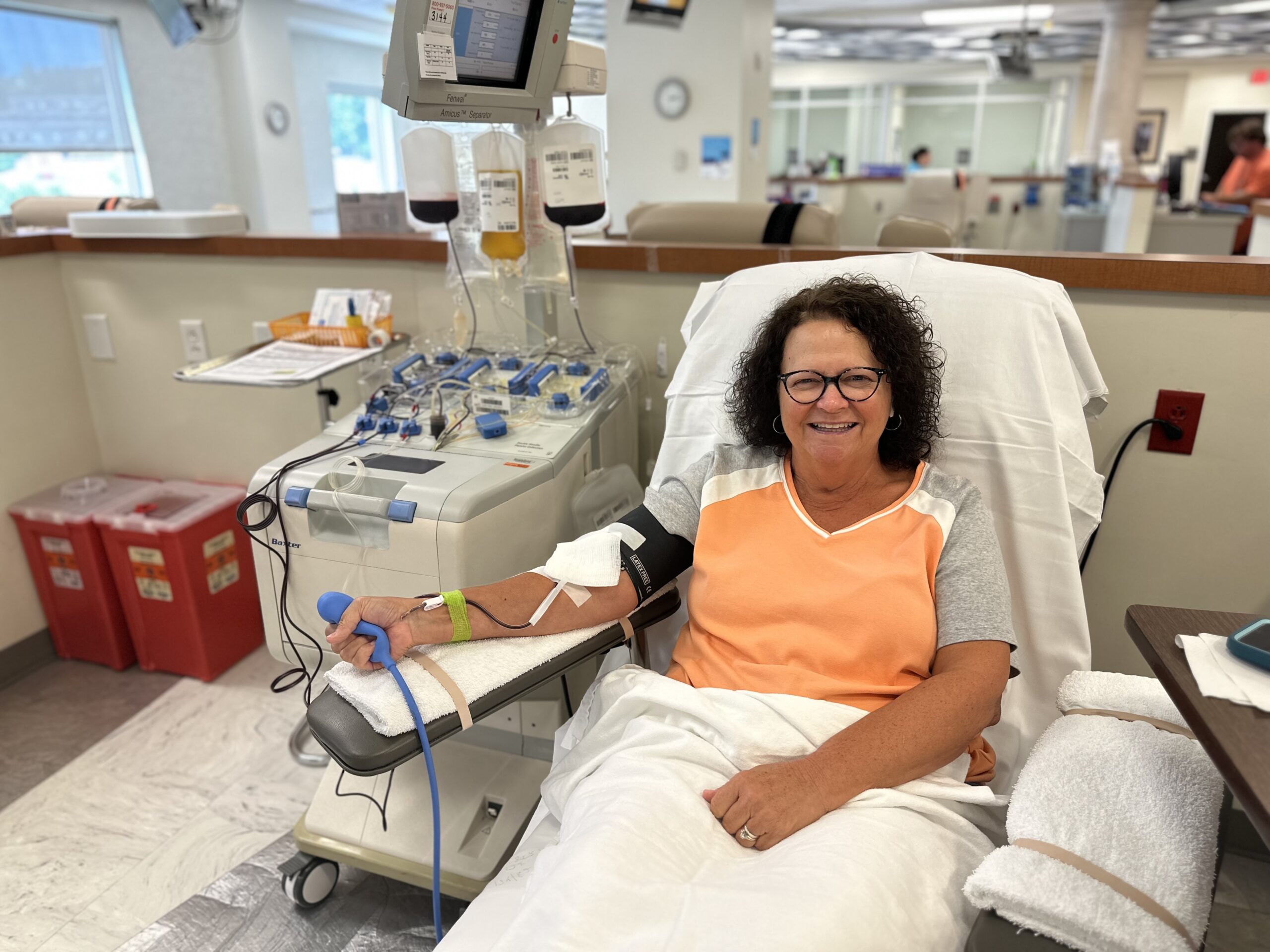
Eligibility and the Donation Process
To ensure the safety of both the donor and the recipient, specific criteria must be met before a donation can take place. According to French public service guidelines, donors must be adults (of legal age) and meet various medical criteria.
The process begins with a medical interview designed to verify that the potential donor has no contraindications. As noted by ameli, these contraindications can be either temporary or definitive, depending on the donor’s health history and current medical status. The act of donating is entirely voluntary and free of charge.
Quick Comparison of Donation Types
| Donation Type | Average Duration | Primary Use | Storage/Impact |
|---|---|---|---|
| Whole Blood | 10 minutes | Cancer, childbirth hemorrhages | All components collected |
| Plasma | 45 minutes | Hemophilia, immunodeficiency | 500,000 patients/year |
| Platelets | 90 minutes | Blood diseases, severe hemorrhage | 7-day shelf life |
Why Regular Donations Matter
The necessity for blood products is constant, but the supply is perishable. Because components like platelets expire quickly, the healthcare system cannot simply stockpile blood in massive quantities. This creates a permanent need for a steady stream of volunteers.
For the donor, the process is described as a civic act that is uncomplicated and carries no long-term commitment. It provides an opportunity to contribute to public health even as taking a brief pause for personal reflection and altruism. The EFS provides a support team at every stage of the donation process to ensure donor comfort and safety.
For those interested in donating, the EFS provides a quick 5-minute verification tool on their official platform to help potential donors determine if they are eligible to give blood, plasma, or platelets.
Prospective donors are encouraged to check their eligibility and schedule their next appointment through the official EFS channels to help maintain the vital supply of blood products in France.
We invite our readers to share this information to help raise awareness about the critical need for blood donations. Please leave your comments below regarding your experiences with blood donation.
Worth a look