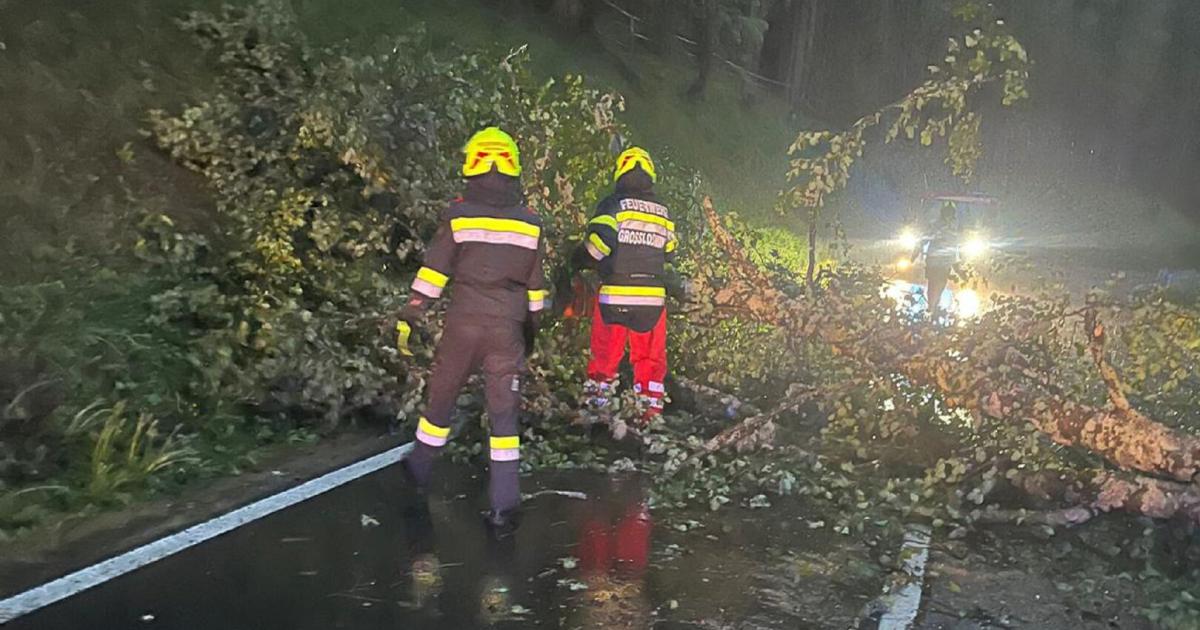
Severe weather systems have swept across large swathes of Austria, leaving emergency services in a state of high alert as they grapple with the aftermath of intense storms, heavy hail, and gale-force winds. The situation in Upper Austria (Oberösterreich) and surrounding regions remains fluid, with thousands of firefighters mobilized to clear debris, secure damaged infrastructure, and assist residents impacted by the sudden meteorological volatility. These events serve as a stark reminder of the increasing frequency of extreme weather patterns in Central Europe, prompting authorities to urge continued vigilance as further fronts are anticipated.
According to official reports from the Upper Austrian State Fire Brigade Association (Oö. Landes-Feuerwehrverband), the scale of the response has been significant, involving thousands of personnel deployed to address hundreds of individual call-outs. The primary challenges facing first responders include fallen trees obstructing critical transport routes, flooded basements, and structural damage to residential and commercial buildings caused by high-velocity wind gusts. As of the latest assessments, local districts are prioritizing the stabilization of power lines and the removal of hazardous debris to ensure public safety.
The Scope of the Emergency Response
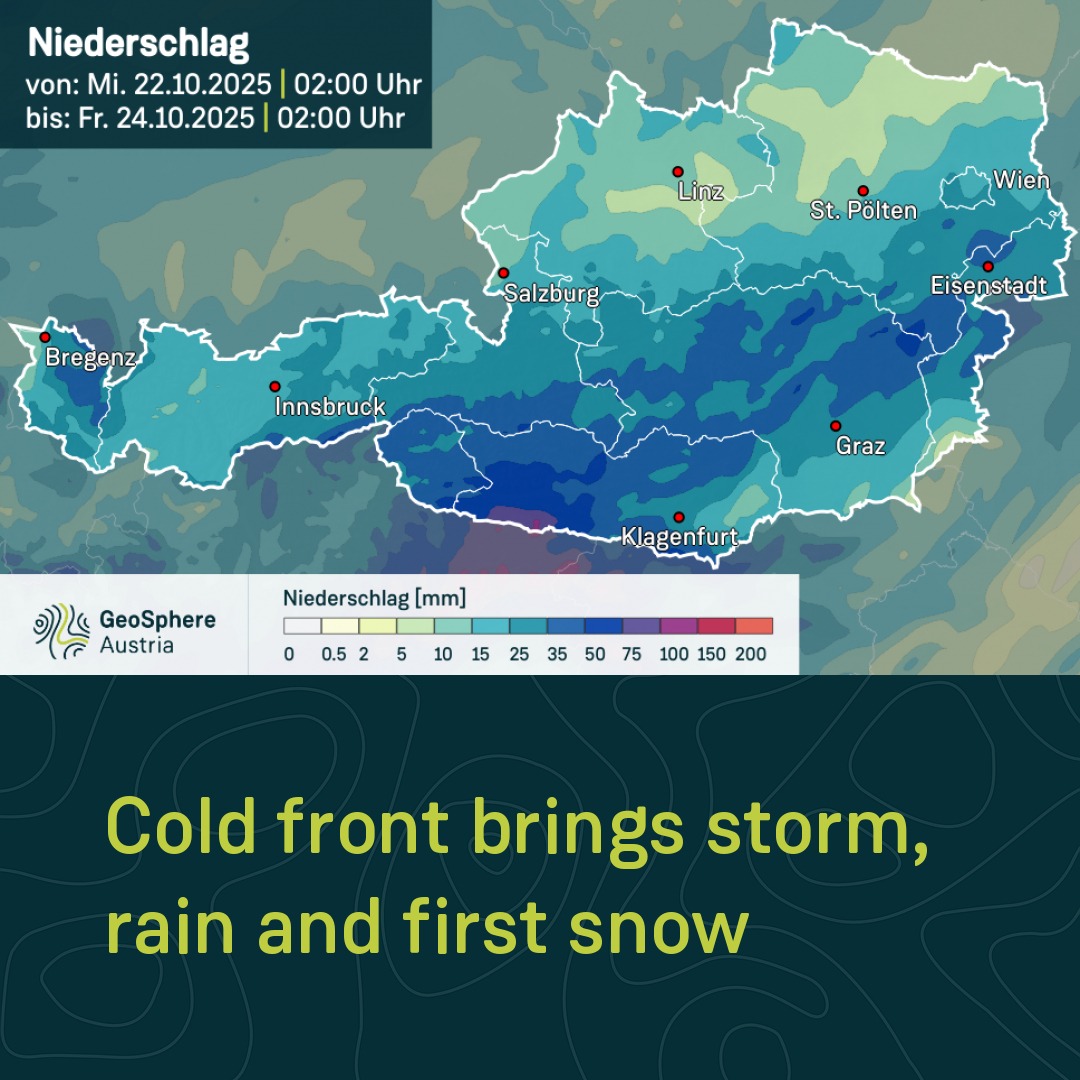
The mobilization of roughly 5,000 firefighters represents a massive logistical undertaking, highlighting the severity of the damage across the affected provinces. In many instances, the primary task for emergency units has been the clearing of blocked roads, which are essential for both public transit and the continued movement of emergency vehicles. The GeoSphere Austria, the national meteorological service, has been issuing rolling alerts, noting that the combination of high temperatures followed by cold fronts often creates the perfect conditions for supercell storms, which bring localized but extreme destruction.
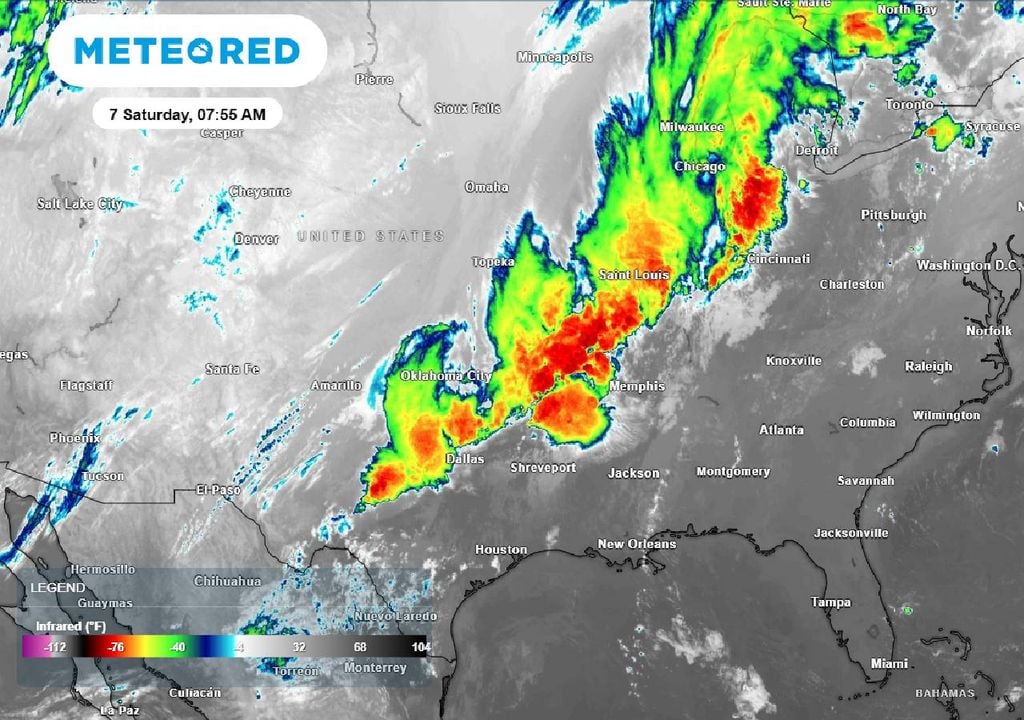
While the immediate threat in some areas has subsided, the cumulative impact of these storms is still being measured. In the Murtal region and across parts of Styria, local authorities have reported extensive roof damage and power outages affecting thousands of households. The regional coordination centers are working around the clock to track the movement of these cells, using radar data to provide early warnings to municipalities. Residents are encouraged to monitor the official Austrian weather warning portal for the most accurate, real-time information regarding incoming precipitation and wind intensity.
Meteorological Context and Future Risks
The recent instability is largely attributed to a series of high-energy weather fronts moving across the Alpine region. Meteorologists emphasize that the transition from heatwaves to sudden storm fronts often results in a rapid drop in temperature and violent atmospheric discharges. The volatility of these systems makes precise localized forecasting difficult, which is why the civil protection authorities rely heavily on the rapid deployment capabilities of local volunteer fire brigades.

For those living in or traveling through the affected areas, the advice from regional emergency management remains consistent: secure loose items, avoid forested areas during high winds, and keep emergency kits prepared. The Austrian Federal Ministry of the Interior continues to emphasize that while the fire brigades are highly trained, the sheer volume of calls during a major weather event can lead to response delays; self-preparedness is a critical component of disaster mitigation. The next major update from official weather services regarding the potential for further storm development is expected as the current low-pressure system shifts eastward.
Key Takeaways for Residents and Travelers
- Stay Informed: Regularly check official sources like GeoSphere Austria for the latest meteorological warnings.
- Emergency Protocol: If you face an immediate threat to life or property, contact the emergency services via the standard European emergency number, 112.
- Road Safety: Avoid driving through storm-affected areas unless absolutely necessary, as fallen trees and flooding pose significant risks.
- Property Security: Ensure that outdoor furniture and other loose objects are secured before forecasted high-wind events.
As the recovery efforts continue, we will keep monitoring the situation for any further updates from provincial authorities. The resilience of the emergency services in Upper Austria and beyond is a testament to the effectiveness of the regional volunteer system, but the recurring nature of these events underscores the ongoing challenge posed by shifting climate conditions. We invite our readers to share their experiences or observations in the comments section below, and we encourage you to stay tuned for further developments as the weather stabilizes.
Keep reading