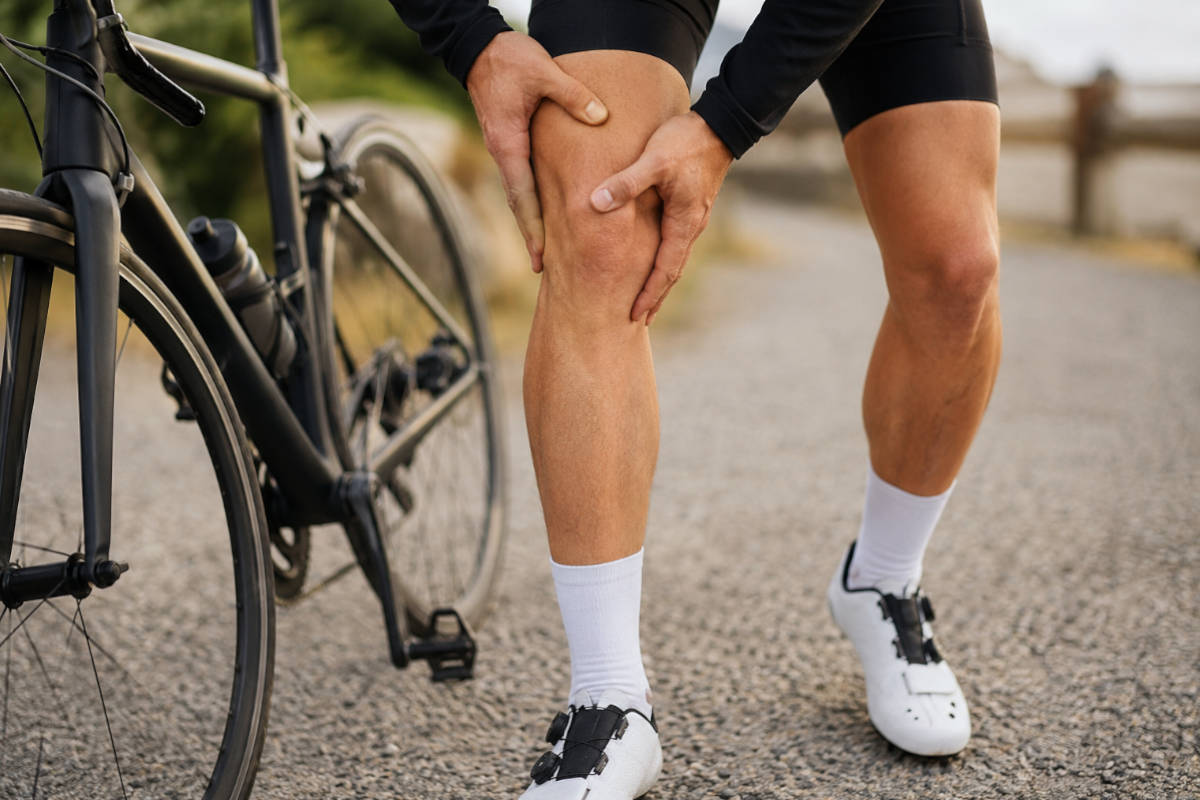
In the high-performance world of professional and amateur cycling, the search for a competitive edge often leads athletes toward the supplement aisle. Among the most frequently discussed additions to the endurance athlete’s regimen is collagen, a protein that has transitioned from the beauty industry to the training table. But as cyclists look to optimize their recovery and joint health, the critical question remains: does taking collagen actually provide a performance or injury-prevention benefit, or is it merely a well-marketed trend?
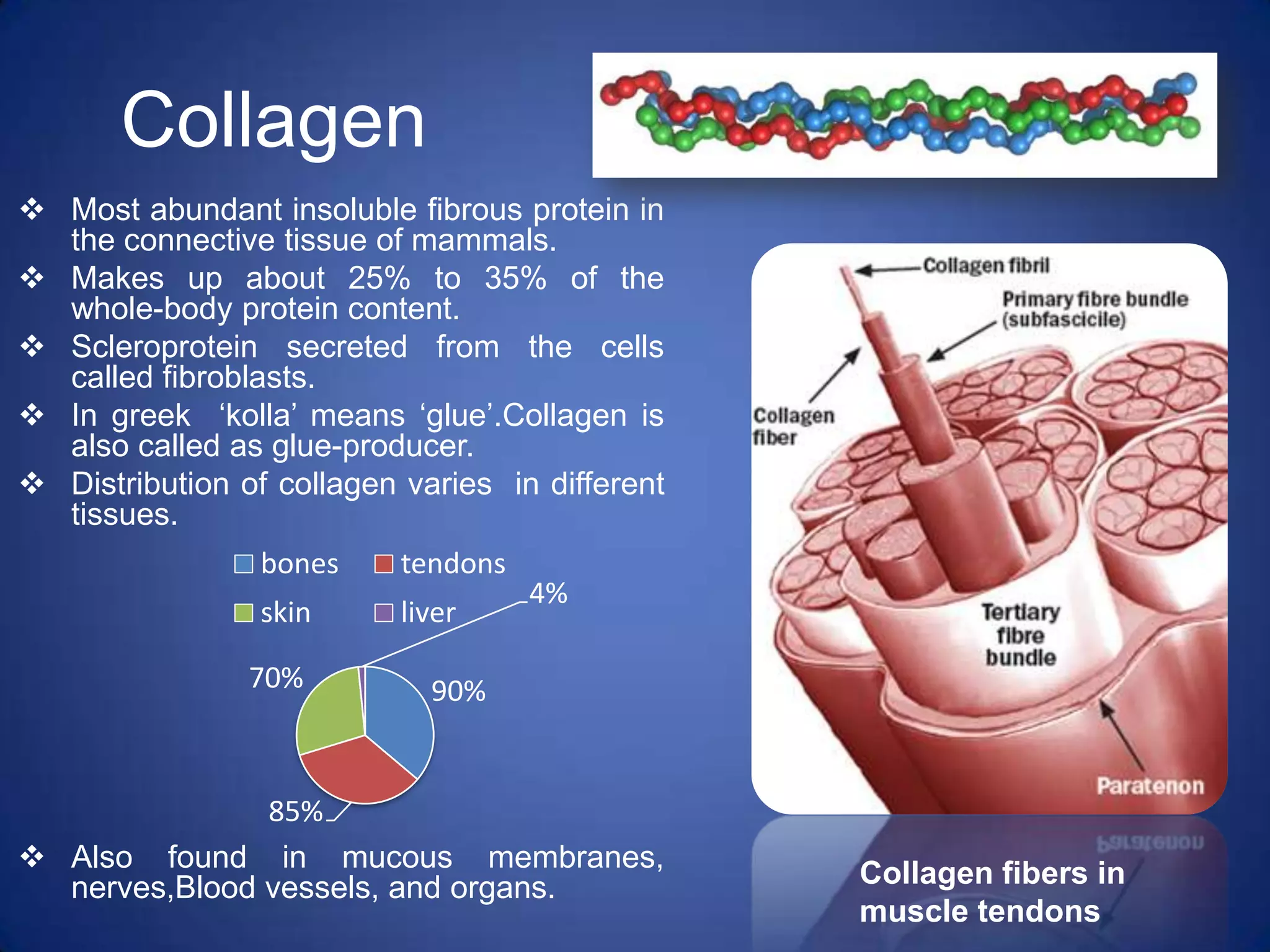
As a physician, I frequently encounter patients—from weekend mountain bikers to competitive road racers—asking whether collagen supplementation can help them recover faster from the repetitive stress of the pedal stroke. To understand the reality, we must move beyond marketing claims and examine the physiological role of connective tissue in cycling. While collagen is the most abundant protein in the human body, serving as the primary building block for our tendons, ligaments, and cartilage, the process of turning a supplement into functional tissue is far more complex than simple ingestion.
According to the National Institutes of Health (NIH) Office of Dietary Supplements, collagen is a protein composed of amino acids, primarily glycine, proline, and hydroxyproline. When we ingest collagen, our digestive system breaks these proteins down into their constituent amino acids before they enter the bloodstream. There is no guarantee that your body will prioritize “rebuilding” a specific knee tendon over any other protein-requiring process in the body, such as muscle repair or immune function.
The Science of Collagen and Tendon Health
The primary appeal for cyclists lies in the potential for tendon and ligament support. Cycling, while low-impact compared to running, involves thousands of repetitive contractions. Over time, this can lead to tendinopathies, particularly in the patellar and Achilles tendons. Research into collagen supplementation has focused heavily on its ability to stimulate collagen synthesis when combined with specific mechanical loading.
A notable study published in the American Journal of Clinical Nutrition explored the effects of collagen peptide supplementation combined with vitamin C in the context of tendon injury rehabilitation. The researchers found that consuming collagen peptides before intermittent exercise helped increase collagen synthesis markers. However, We see essential to note that this effect was observed in a controlled setting, often involving specific loading protocols rather than the general, unstructured consumption often recommended by supplement manufacturers. You can review the nuances of dietary protein quality and its impact on physiological outcomes via the International Society of Sports Nutrition position stand.
For the average cyclist, this means that collagen is not a “magic pill” that will heal an injury overnight or prevent one in isolation. It is, at best, a potential nutritional tool that must be paired with appropriate physical therapy, load management, and overall adequate protein intake. If your total daily protein consumption is insufficient, your body will prioritize basic maintenance over the specialized collagen synthesis required to strengthen your tendons.
Evaluating the Evidence: What Cyclists Should Know
When assessing whether to include collagen in your training plan, it is helpful to look at the broader picture of sports nutrition. The Australian Institute of Sport (AIS), which provides one of the most widely respected frameworks for sports supplement classification, categorizes supplements based on the strength of evidence. Collagen often sits in a “needs more evidence” category, distinguishing it from proven ergogenic aids like caffeine, creatine, or beta-alanine.
Key considerations for the cycling community include:
- Bioavailability: Collagen is not a “complete” protein; it lacks essential amino acids like tryptophan. It should never replace high-quality protein sources like whey, eggs, soy, or lean meats in your diet.
- The Vitamin C Factor: Most research suggesting a benefit for connective tissue involves the co-ingestion of Vitamin C, which is a necessary cofactor for the body to synthesize collagen.
- Timing: If you are choosing to supplement, the current evidence suggests that taking it 30 to 60 minutes before a session involving loading (like strength training or specific intervals) may be more beneficial than taking it at random times throughout the day.
- Quality Control: The supplement industry is not strictly regulated in the same way as pharmaceuticals. Athletes should look for products with “third-party testing” certifications, such as Informed Sport or NSF Certified for Sport, to ensure the product is free from banned substances, which is critical for those participating in competitive events.
Practical Application: A Balanced Perspective
If you are struggling with recurring tendon issues, the first step should always be a clinical assessment. A sports physician or a physical therapist can identify biomechanical imbalances—such as incorrect cleat positioning, saddle height issues, or muscle weaknesses—that are the actual root cause of your pain. Supplementation is merely the final, minor adjustment, not the foundation of your recovery.
For those who decide to add collagen to their routine, treat it as a targeted intervention rather than a daily necessity. Prioritize a diet rich in whole foods that support natural protein synthesis. The reality of sports nutrition is often less about finding a miracle supplement and more about the consistent application of fundamental principles: balanced nutrition, adequate sleep, and intelligent training loads.
As we look toward future research, the scientific community continues to investigate whether specific collagen peptide profiles might offer more targeted benefits for different types of athletes. Until more robust, large-scale, randomized controlled trials are available, keep your expectations realistic. If you have been using collagen, monitor your own symptoms objectively—keep a training and nutrition log to see if you notice a genuine difference in your recovery time or joint comfort.
The next major update in sports nutrition guidelines is expected from the Sports Dietitians Australia later this year, which will likely provide further clarity on the role of collagen in long-term injury prevention. In the meantime, I encourage you to share your experiences and questions in the comments section below. Have you noticed a difference in your joint health after integrating specific supplements into your training, or have you found that standard nutrition and physical therapy were sufficient? Let’s keep the conversation grounded in evidence and personal experience.
Worth a look