
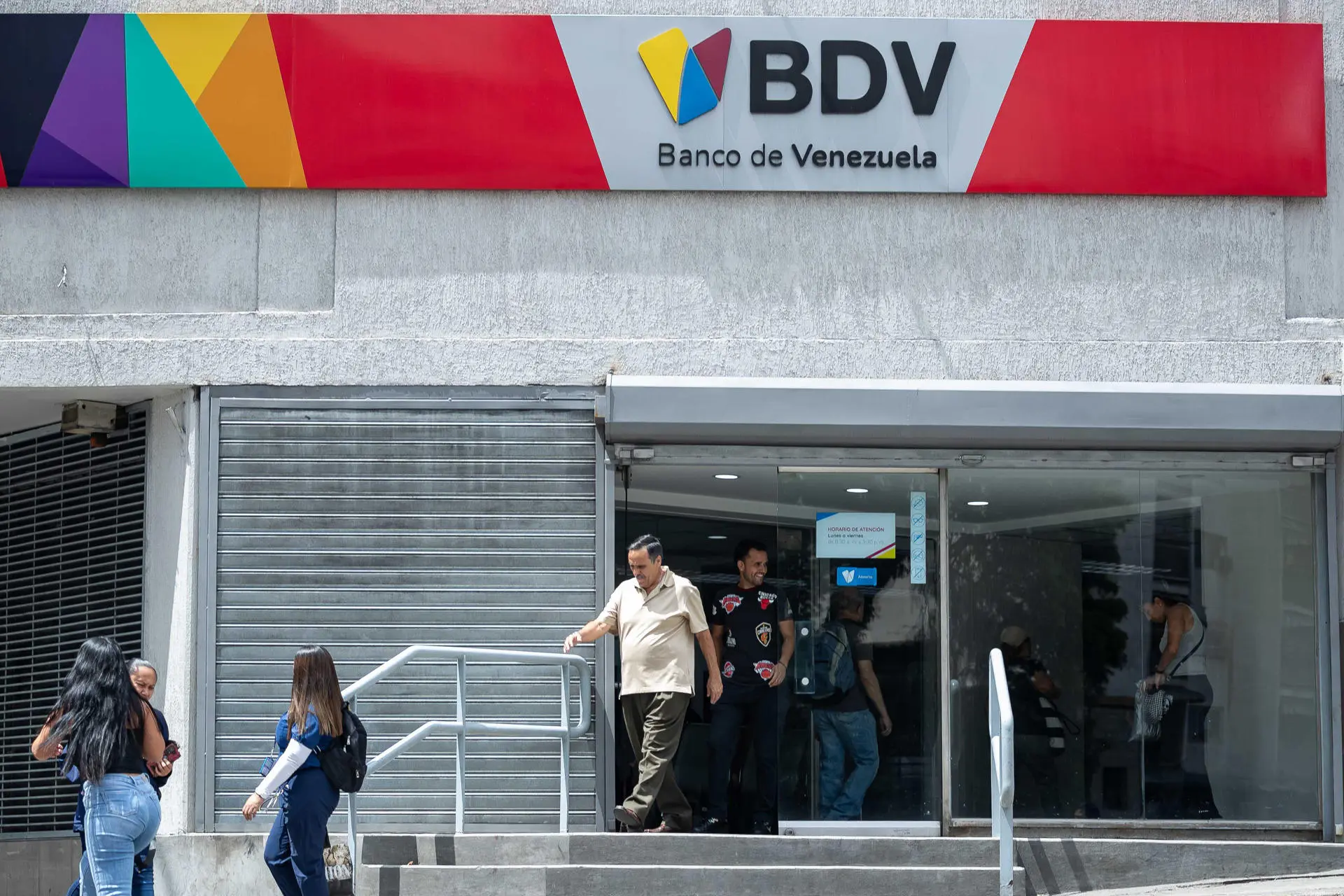
The United States Department of the Treasury has taken a significant step toward normalizing economic relations with Venezuela by lifting sanctions on the country’s public banking system. On Tuesday, April 14, 2026, the U.S. Government authorized financial transactions with four state-controlled banking entities, marking a substantial shift in a punitive regime that Washington had progressively tightened since 2017 El País.
This move to lift sanctions on Venezuela’s public banking system is part of a broader trend of diplomatic normalization following the military operation to capture former president Nicolás Maduro in January 2026 and the subsequent installation of interim president Delcy Rodríguez El País. The Treasury’s decision aims to reactivate commercial and financial ties, facilitating the flow of oil from Venezuela to the United States and encouraging economic reforms to open the Venezuelan economy El País.
The authorization was formalized under General License 57, issued by the Office of Foreign Assets Control (OFAC) and signed by its director, Bradley T. Smith Infobae. This license explicitly permits a wide array of financial services and operations that were previously prohibited, effectively reintegrating key Venezuelan state financial institutions into the international banking network.
Scope of the New Financial Authorizations
The Treasury Department has specifically identified four institutions that are now eligible for financial transactions. These include the Banco Central de Venezuela (BCV), the Banco de Venezuela S.A., the Banco Digital de los Trabajadores and the Banco del Tesoro Infobae. The measure extends to any entity in which these banks hold a direct or indirect ownership stake of 50% or more El País.
Under General License 57, the permitted operations are extensive, covering both traditional banking and modern digital finance. Authorized activities now include:
- Traditional bank transfers and electronic payments.
- Mobile transfers and payroll services.
- Payment of salaries, pensions, and labor benefits.
- The use of digital platforms and electronic wallets.
- The contracting of insurance, investments, and other financial instruments linked to these entities.
- Critical technical services such as fraud prevention, authentication, and cybersecurity Infobae.
the authorization applies to current employees of the Venezuelan government, provided they are not personally included on the OFAC sanctions list Infobae.
Political Shifts and Individual Sanctions Relief
The economic flexibilization is closely tied to the political transition in Caracas. The shift from the Maduro administration to the interim presidency of Delcy Rodríguez has provided the diplomatic opening necessary for Washington to ease the “black list” restrictions El País.
In addition to the institutional banking relief, the U.S. Has removed a high-ranking official from its sanctions list. Reinaldo Muñoz, the former Attorney General of Venezuela and former Vice President under Nicolás Maduro, has had his blocked assets released El País. This comes shortly after Muñoz resigned as Attorney General, a position he had held for a decade El País.
Why This Matters for the Global Economy
The decision to lift sanctions on Venezuela’s public banking system is not merely a political gesture but a strategic economic move. By allowing the Banco Central de Venezuela and other state banks to operate internationally, the U.S. Facilitates the legal processing of payments for Venezuelan oil, which is currently being sent in large quantities to the United States El País.
For the Venezuelan economy, this represents a critical lifeline. The ability to access international financial services, process payrolls, and utilize digital payment systems helps stabilize a financial infrastructure that has been crippled by years of isolation. It as well allows for the legal implementation of economic reforms aimed at opening the country to foreign investment and diversifying its trade partners.
| Entity Name | Status | Permitted Actions |
|---|---|---|
| Banco Central de Venezuela | Sanciones Lifted | Full international financial operations |
| Banco de Venezuela S.A. | Sanciones Lifted | Banking services, transfers, payroll |
| Banco Digital de los Trabajadores | Sanciones Lifted | Digital wallets, electronic payments |
| Banco del Tesoro | Sanciones Lifted | Investments, insurance, financial instruments |
As the U.S. Continues to monitor the progress of the interim government under Delcy Rodríguez, the Treasury is expected to evaluate further flexibilizations based on the continued normalization of diplomatic relations and the implementation of economic reforms in Caracas.
We will continue to monitor official updates from the U.S. Department of the Treasury and the OFAC regarding further licenses or modifications to the sanctions regime. We invite our readers to share their thoughts on this development in the comments section below.