
The rivalry between Metz Handball and FTC-Rail Cargo Hungaria has evolved into one of the most compelling narratives in the EHF Women’s Champions League. For the French powerhouse, the journey has been marked by high-stakes clashes and emotional swings, ranging from dominant victories to heartbreaking exits that linger long after the final whistle.
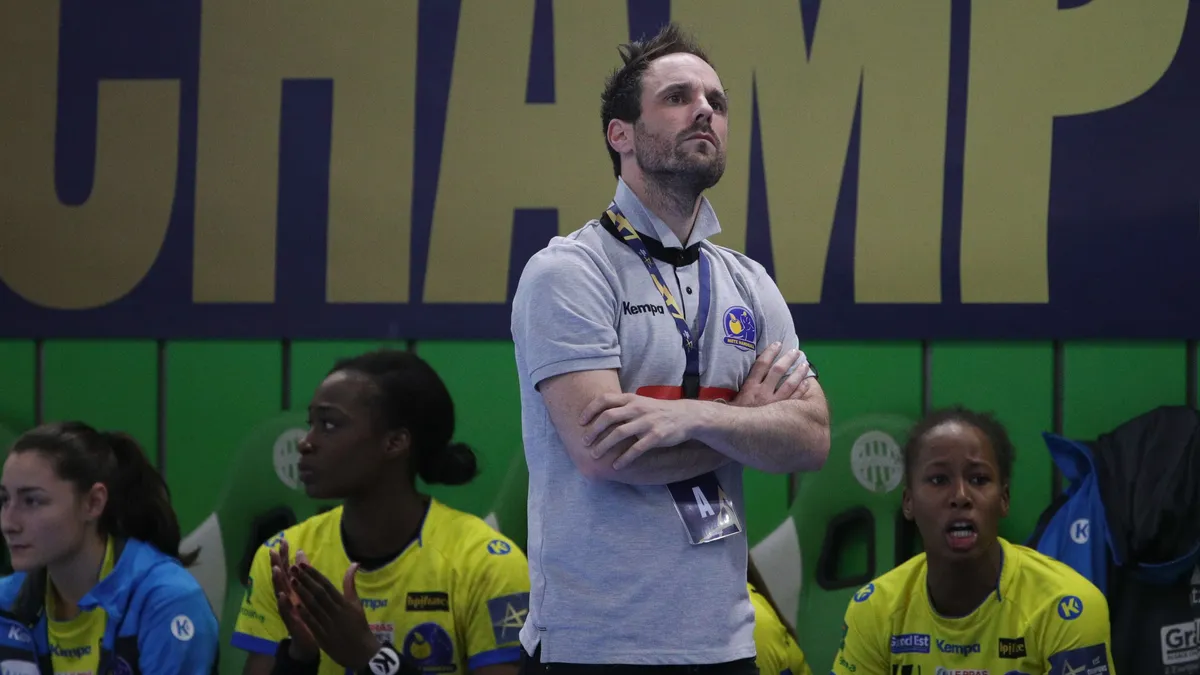
Recent reflections from the Metz coaching staff highlight the psychological weight of these encounters. Specifically, the head coach of Metz has described the team’s exit from the 2023 Champions League quarter-finals against FTC as one of the most painful moments in their recent history, underscoring the deep competitive tension that defines this matchup.
As these two titans prepare for further confrontations in the elite European circuit, the contrast between past failures and recent successes provides a roadmap of their current trajectory. The ability to convert the “pain” of previous losses into tactical advantages has develop into a central theme for the French side as they navigate the 2025/26 campaign.
The Road to Redemption: From 2023 to the Group Phase
The emotional residue of the 2023 quarter-final defeat served as a catalyst for Metz Handball. In professional sports, particularly at the Champions League level, the margin between victory and elimination is razor-thin, and the 2023 exit left a lasting impression on the squad’s leadership.
Metz sought to rewrite this narrative during the 2024/25 season. The effort culminated in a decisive performance during the Group Phase, where Metz Handball secured a convincing 24-19 victory over FTC-Rail Cargo Hungaria via the EHF official match records. This result was not merely a statistical win but a symbolic shift in momentum, proving that the French side could dismantle the Hungarian defense with precision.
The 24-19 scoreline reflected a dominant display of tactical discipline, allowing Metz to regain confidence and establish themselves as a primary threat heading into the knockout stages of subsequent seasons. By neutralizing FTC’s offensive rhythm, Metz demonstrated that they had evolved past the vulnerabilities that led to their previous heartbreak.
High Stakes in the 2025/26 Quarter-Finals
The cycle of rivalry continues in the 2025/26 season, as the two clubs once again face off in the quarter-finals. This stage of the competition represents the ultimate litmus test for any European club, where the pressure of the knockout format amplifies every mistake and every moment of brilliance.

The upcoming clash is framed by the historical context of their previous meetings. With the 2025/26 Quarter-finals officially scheduled according to EHF match details, both teams are entering the arena with distinct psychological profiles: one seeking to maintain a streak of dominance and the other looking to avenge previous slips.
For FTC-Rail Cargo Hungaria, the objective is to reclaim the edge they held during that pivotal 2023 encounter. For Metz, the goal is to ensure that the “pain” mentioned by their head coach remains a memory used for motivation rather than a recurring pattern of failure.
Key Matchup Dynamics
Analyzing the matchup between these two sides reveals a clash of philosophies. Metz typically relies on a structured, high-tempo game that emphasizes fluidity and rapid transitions. In contrast, FTC is known for its resilience and ability to execute under extreme pressure, a trait that was evident during their 2023 success.
The tactical battle in the 2025/26 quarter-finals will likely center on three critical areas:
- Defensive Rotations: How Metz handles FTC’s wing play will be decisive, mirroring the struggles of 2023.
- Goalkeeping Efficiency: The ability to secure key saves during the final ten minutes of each half often decides these high-pressure EHF fixtures.
- Mental Fortitude: The capacity to manage the emotional weight of the rivalry, particularly for the Metz side recalling their previous exit.
What This Means for European Handball
The recurring battle between Metz and FTC is more than just a quest for a trophy; This proves a representation of the current power struggle in women’s handball between the French and Hungarian leagues. Both nations have invested heavily in their domestic programs, resulting in clubs that are tactically sophisticated and physically dominant.

When these two teams meet, it serves as a benchmark for the rest of the league. The intensity of their rivalry pushes both organizations to innovate, whether through advanced sports analytics or refined training methodologies. The “pain” of a quarter-final exit is the primary driver of this evolution, forcing coaches to adapt their systems to avoid the same mistakes in subsequent years.
As the 2025/26 season progresses, the outcome of this quarter-final will likely dictate the favorite for the final. A victory for Metz would solidify their redemption arc, while a victory for FTC would reinforce their status as the “bogey team” for the French champions.
| Season | Phase | Result | Significance |
|---|---|---|---|
| 2023 | Quarter-finals | FTC Progressed | Described as “most painful” by Metz coach |
| 2024/25 | Group Phase | Metz 24-19 FTC | Momentum shift toward Metz |
| 2025/26 | Quarter-finals | TBC | Current high-stakes elimination match |
The next confirmed checkpoint for this rivalry is the execution of the 2025/26 quarter-final matches. Fans and analysts will be watching closely to see if the tactical adjustments made since 2023 are enough to secure a place in the Final Four.
What are your thoughts on this rivalry? Do you think Metz has finally overcome the ghosts of 2023, or does FTC still hold the psychological edge? Share your analysis in the comments below.