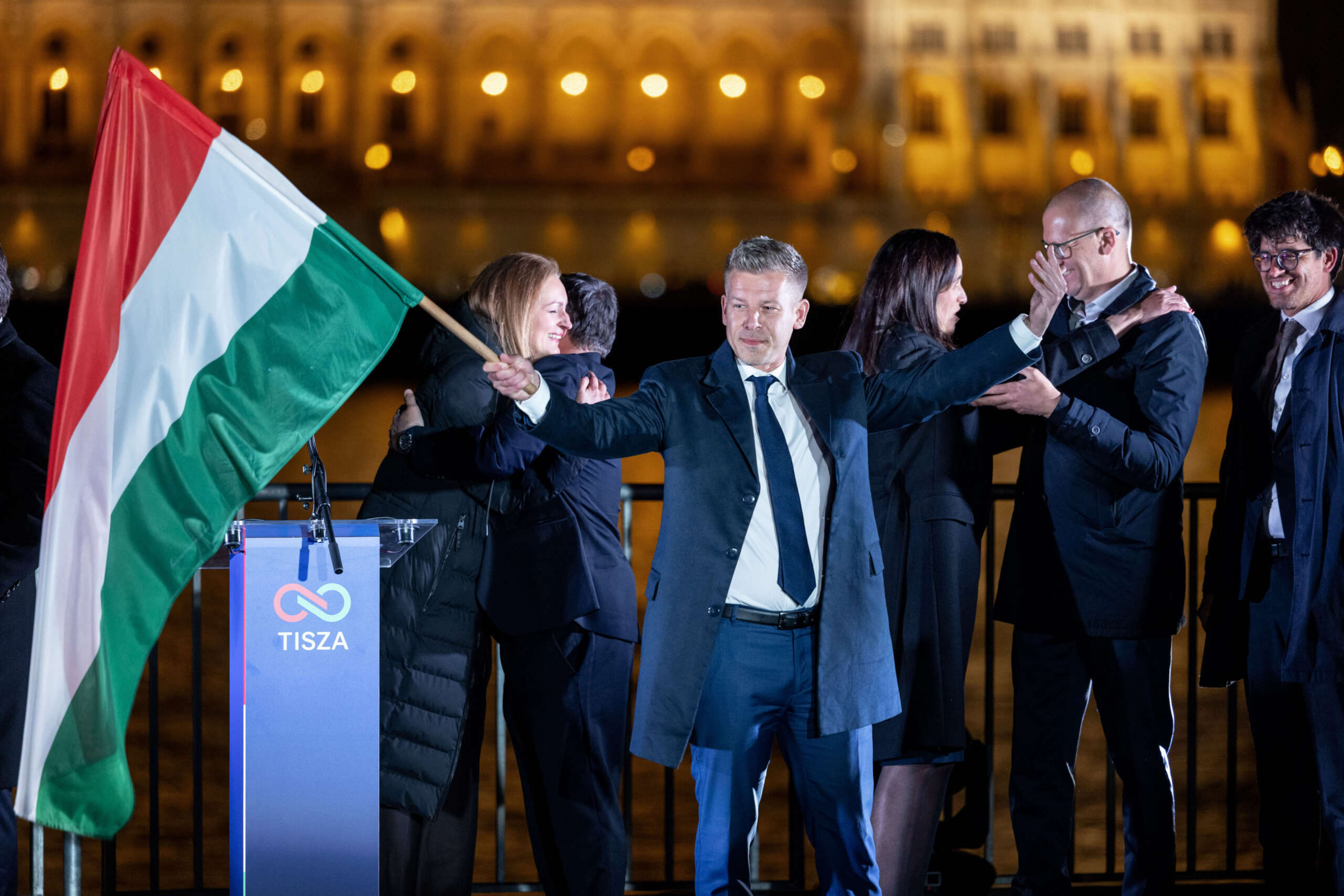
Hungary has experienced a profound political shift following a landslide election victory by political newcomer Péter Magyar, who has defeated the long-standing Prime Minister Viktor Orbán. The result marks a significant turning point for Central Europe, ending the tenure of a leader who became a global figurehead for right-wing populism and a close ally of various international conservative movements.
The defeat of Viktor Orbán signals a potential weakening of the far right’s grip on the region, though analysts suggest the outcome may be more a reflection of the far right’s vulnerabilities than a sudden surge in traditional left-wing strength. This “political earthquake” comes after years of Orbán’s dominance, creating a vacuum in the European populist landscape and altering the geopolitical dynamics between Budapest and its allies.
Péter Magyar, now Hungary’s recent prime minister, enters office as a former ally of the Orbán administration, bringing a unique perspective to the leadership of the country. His ascent represents a dramatic shift in voter sentiment, as Hungarian citizens opted for a political upstart over the established order of the Fidesz party.
The Fall of Viktor Orbán and the New Leadership
For over a decade, Viktor Orbán served as the primary architect of Hungary’s “illiberal democracy,” a model that emphasized national sovereignty and traditional values while consolidating power within the executive branch. His defeat is being viewed by international observers as a critical blow to the far-right movement globally, particularly given his status as a “poster boy” for right-wing populism The New York Times.
The transition of power to Péter Magyar is not merely a change in personnel but a change in trajectory. Magyar’s victory was achieved through a landslide, indicating a broad desire among the electorate for a departure from the previous administration’s policies. As the new prime minister, Magyar faces the immediate challenge of governing a polarized nation while navigating Hungary’s complex relationship with the European Union.
The implications of this shift extend beyond Hungary’s borders. Orbán’s fall raises critical questions about the future of far-right influence in Europe. With the removal of a key ideological leader, other populist movements may find themselves without a primary blueprint for governance and international cooperation The Guardian.
Analyzing the Far Right’s Weakness
A central point of analysis regarding this election is whether the result proves the strength of the political left or the inherent weakness of the far right. The evidence suggests the latter; the defeat of Orbán may be less about a coordinated left-wing surge and more about the failure of the far-right model to sustain long-term stability and public support.
The “political earthquake” in Hungary suggests that the strategies employed by Orbán—which often included the marginalization of opposition and the centralization of media control—eventually reached a breaking point with the electorate. By focusing on the vulnerabilities of the far right, observers note that the populist appeal can be fragile when faced with a viable, fresh alternative like Péter Magyar.
the ousting of Orbán is expected to have repercussions for international alliances. Specifically, the defeat is noted as a development that could curtail the foreign policy influence of Donald Trump, who viewed Orbán as a key strategic partner in Europe.
Who is Péter Magyar?
To understand the shift in Hungarian politics, it is essential to examine the background of the new leader. Péter Magyar is described as a political upstart who managed to mobilize a significant portion of the population against the established Fidesz government NPR.
Unlike traditional opposition leaders, Magyar’s path to the premiership was characterized by a rapid rise in popularity and a campaign that challenged the status quo. His victory marks the first time in years that the Hungarian executive has shifted away from Orbán’s control, signaling a new era of governance in Budapest.
What Happens Next for Europe?
The removal of Viktor Orbán from power leaves a void in the European far-right network. For years, Hungary served as a laboratory for “illiberal” policies that were admired and emulated by right-wing parties across the continent. The failure of this model in its own home country may embolden centrist and liberal forces across the EU.

Key areas of focus for the international community moving forward include:
- EU Relations: Whether the new administration under Péter Magyar will seek to repair ties with Brussels and resolve disputes over the rule of law and democratic standards.
- Geopolitical Alliances: How the shift in leadership affects Hungary’s relationship with the United States, particularly in the context of the previous alliance between Orbán and Donald Trump.
- Regional Stability: Whether other Central European nations, which have seen a rise in populist sentiment, will view Hungary’s result as a signal to pivot back toward mainstream European integration.
The fall of Orbán is being analyzed by panels of experts as a potential catalyst for a broader trend in Europe, where the appetite for hard-right populism may be waning in favor of more pragmatic or reformist leadership The Guardian.
Key Takeaways from the Hungarian Election
- Landslide Victory: Péter Magyar defeated Viktor Orbán in a decisive election, ending years of Fidesz dominance.
- Far-Right Vulnerability: The result is interpreted as a sign of the far right’s weakness rather than a specific victory for the left.
- Global Impact: The ousting of Orbán is expected to impact the international influence of right-wing populism and affect foreign policy ties with the U.S.
- New Leadership: Péter Magyar, a former ally of Orbán, now leads the country as Prime Minister.
As Hungary transitions to this new administration, the world will be watching to observe if the “political earthquake” in Budapest triggers similar shifts across the European continent. The focus now turns to the formal transition of power and the first official policy announcements from the office of Prime Minister Péter Magyar.
We invite our readers to share their perspectives on this shift in European politics in the comments section below. Please share this report to maintain your network informed on these developing global events.
Worth a look