
The landscape of professional sports is undergoing a fundamental shift as the digital era demands a departure from traditional promotional models. For sports that have historically operated outside the massive commercial machinery of top-tier football, the pressure to modernize is no longer optional—it is a requirement for survival and growth.
This tension has arrive to the forefront in discussions regarding the commercial state of handball. The sport, although possessing a dedicated following, is frequently criticized for lagging behind in its approach to fan engagement and brand monetization. The core of the issue is not a lack of athletic quality, but rather a systemic failure to invest in the professionalization of its marketing apparatus.
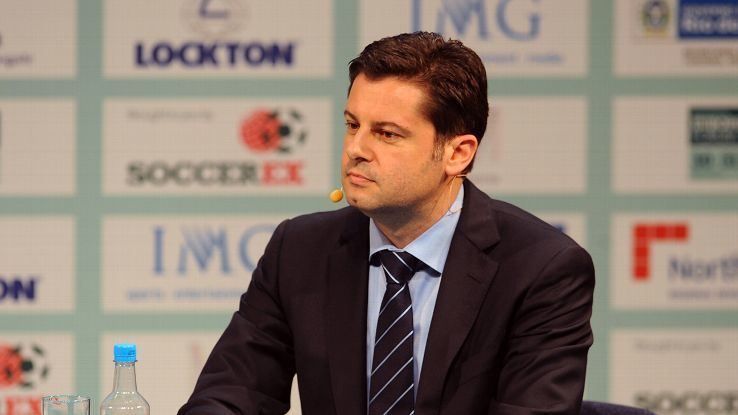
The conversation has been amplified by the insights of Christian Seifert, a seasoned sports executive and the founder of Dyn Media. Seifert has pointedly suggested that handball clubs should prioritize the hiring of dedicated marketing professionals to bridge the gap between the sport’s potential and its current commercial reality. This recommendation highlights a critical blind spot in the administration of many clubs: the belief that the sport’s inherent appeal is sufficient to drive growth without a sophisticated strategic framework.
The Shift Toward Modern Sports Commercialization
In the current media environment, the value of a sports league is increasingly tied to its ability to capture and retain attention across fragmented digital platforms. The “marketing stone age,” a term used to describe outdated promotional tactics, refers to a reliance on passive visibility rather than active, data-driven fan acquisition. For handball, moving beyond this era requires a transition from treating marketing as a secondary administrative task to viewing it as a primary revenue driver.
The necessity of this transition is underscored by the rise of specialized streaming services. The launch of Dyn Media in the summer of 2023 represents a strategic bet on the viability of non-soccer sports. By creating a dedicated platform for these disciplines, the infrastructure for growth is now available, but the responsibility falls on the individual clubs and leagues to package their “product” in a way that attracts a modern, digitally native audience.
Christian Seifert’s Vision for Non-Soccer Sports
Christian Seifert brings a unique perspective to this challenge, having served as the CEO of the Deutsche Fußball Liga (DFL) from 2019 to 2021. During his tenure at the DFL, Seifert was deeply involved in the strategic direction of one of the world’s most commercially successful football leagues, including managing complex media rights tenders. His experience demonstrates how a rigorous, professional approach to marketing and media distribution can exponentially increase the value of a sports property.
Since transitioning to the entrepreneurial sector with Dyn Media, Seifert has focused on applying these high-level commercial principles to sports that have traditionally been overshadowed by football. His advice to handball clubs—specifically the need to hire more marketing staff—is a direct application of the DFL playbook. The premise is simple: you cannot achieve professional-grade revenue streams with amateur-grade marketing efforts.
Addressing the “Marketing Stone Age” in Handball
The agreement with Seifert’s assessment is echoed by analysts and columnists, such as Nils Kretschmer, who argue that the current state of handball marketing is insufficient for the demands of the 21st century. The reliance on “plauzen” (casual chatting or informal posting) on platforms like Instagram is often mistaken for a comprehensive digital strategy. While social media presence is necessary, it is not a substitute for a professional marketing department capable of executing long-term brand growth, partnership acquisitions, and audience segmentation.
To move out of the “marketing stone age,” handball organizations must address several key areas:
- Professional Staffing: Moving away from volunteers or part-time administrators toward full-time marketing experts.
- Strategic Content Creation: Shifting from sporadic updates to a cohesive content strategy that tells a story and builds emotional investment.
- Data Utilization: Using fan data to understand consumption patterns and tailor offerings to different demographics.
- Commercial Partnerships: Developing sophisticated sponsorship packages that offer measurable value to corporate partners rather than relying on traditional “logo placement.”
The impact of these changes would be felt most significantly in the financial stability of the clubs. By professionalizing their outreach, clubs can diversify their income streams, reducing their reliance on a small number of patrons or government subsidies and creating a more sustainable economic model.
As the sports media landscape continues to evolve, the gap between the “commercial elites” and the “marketing laggards” will only widen. For handball, the path forward involves embracing the expertise of leaders like Seifert and investing in the human capital necessary to turn the sport into a modern commercial powerhouse.
The next phase of this evolution will likely be seen in how clubs integrate with new streaming architectures and whether they implement the recommended staffing changes ahead of future media rights cycles.
We invite our readers to share their perspectives on the commercialization of niche sports in the comments below. Do you believe professional sports can maintain their community roots while adopting corporate marketing strategies?
Worth a look