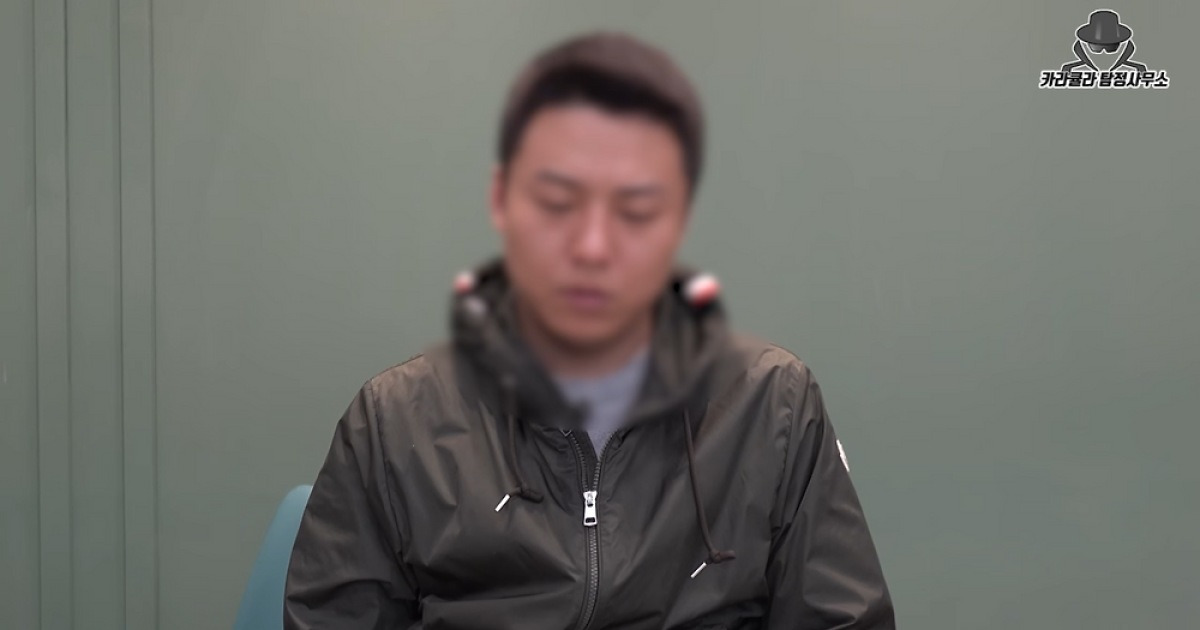
A legal battle involving a high-profile confession on social media has escalated as South Korean authorities move to prevent a suspect from leaving the country. The case centers on an individual, identified by the surname Lee, who appeared on a YouTube channel to apologize and claim responsibility for the killing of Director Kim Chang-min, sparking widespread public outrage and a subsequent government crackdown.
The situation has intensified following allegations of a flawed initial police investigation. The prosecution has stepped in to conduct a comprehensive re-investigation of the case from the ground up. As part of these legal proceedings, a travel ban has been imposed on Lee to ensure the suspect remains available for questioning and trial as the judiciary seeks to uncover the full truth behind the crime.
This development highlights the growing intersection of social media and the legal system, where public confessions on digital platforms can trigger massive civic outcry and force institutional accountability. The focus now shifts to whether the prosecution can rectify previous investigative gaps and secure a conviction based on the suspect’s own public admissions.
YouTube Confession and Public Outcry
The case gained significant traction when Lee appeared on a YouTube channel, delivering a public apology and claiming to be the perpetrator in the death of Director Kim Chang-min. Although confessions are typically seen as a step toward resolution, the nature of this delivery—broadcast to a mass audience via a social media platform—led to intense public scrutiny and anger.

Observers and the general public expressed frustration over the timing and manner of the admission, particularly as it surfaced amidst questions regarding how the suspect had remained at liberty or avoided more stringent measures prior to the broadcast. The viral nature of the video amplified the demand for a transparent and rigorous legal process, placing immense pressure on law enforcement to justify their previous handling of the case.
Prosecutorial Re-investigation and Travel Restrictions
The transition of the case from police to prosecutorial oversight comes amid serious allegations of a “negligent investigation” (부실수사) by the police. The prosecution has officially signaled its intent to restart the investigation from its inception to ensure that no evidence was overlooked and that the legal framework for the charges is robust.
To prevent the suspect from evading justice during this critical phase, the government has implemented a travel ban (출국금지) against Lee. This measure is a standard legal tool used by South Korean authorities when there is a perceived risk of a suspect fleeing the jurisdiction, especially in cases involving severe crimes such as homicide where the evidence is being re-evaluated.
The Role of the Prosecution in Case Reviews
When the prosecution decides to re-investigate a case from the “starting point,” it typically involves reviewing all witness statements, forensic evidence, and the original police reports. In this instance, the prosecution is tasked with determining if the police failed to secure key evidence or if the suspect’s public confession reveals gaps in the original investigative narrative.
Impact of Digital Confessions on Criminal Justice
The use of YouTube as a platform for criminal confessions presents a complex challenge for the legal system. While the footage can serve as a form of evidence, the performative nature of social media can complicate the perceived sincerity of the apology and the legal weight of the admission.
In this case, the public’s reaction suggests that the digital confession acted as a catalyst for legal action rather than a resolution. The gap between the suspect’s public admission and the police’s initial findings created a credibility crisis that only a full-scale prosecutorial review could potentially resolve.
The travel ban ensures that Lee cannot leave the country while the prosecution determines if the confession is a full admission of guilt or a partial disclosure designed to manipulate public perception. The legal system must now reconcile the public’s demand for immediate justice with the procedural requirements of a fair and thorough trial.
Next Steps in the Legal Process
The immediate focus for the prosecution is the completion of the re-investigation. Once the evidence is consolidated and the suspect’s statements are cross-referenced with forensic data, the prosecution will decide on the final charges to be filed in court. The travel ban will remain in effect until the court or the prosecution determines that the risk of flight has been mitigated or the legal proceedings have reached a stage where such restrictions are no longer necessary.
The next confirmed checkpoint in this case is the ongoing re-investigation by the prosecution, which will determine the formal charges and the subsequent trial schedule for Lee.
We invite our readers to share their thoughts on the role of social media in criminal confessions in the comments below and share this article to keep the global community informed on this developing story.
Keep reading