Developing countries are taking a coordinated stand to reshape the landscape of international finance, launching a new country-led borrowing initiative on Wednesday to secure a more influential role in debt negotiations. The move comes as global leaders gather in Washington, D.C., for the annual IMF-World Bank Spring Meetings, where the primary agenda is dominated by the urgent need to stabilize a global economy battered by war and systemic supply shocks.
The initiative, introduced on the margins of the high-level summits, represents a strategic shift by emerging economies to move away from traditional, top-down lending structures. By banding together, these nations aim to leverage their collective bargaining power to negotiate more favorable terms for debt relief and borrowing, reducing their vulnerability to the volatile shifts of the global market.
This collective action arrives at a critical juncture. According to reports from the Atlantic Council, world leaders are currently grappling with the dual pressures of active conflict and severe supply shocks, both of which have exacerbated inflation and strained the fiscal reserves of lower-income nations.
A Strategic Pivot in Debt Negotiations
For decades, developing nations have often found themselves at a disadvantage during debt restructuring processes, which are typically managed by a small group of wealthy creditor nations and international financial institutions. The launch of this country-led borrowing initiative marks an attempt to disrupt that dynamic.
The core objective of the initiative is to create a unified front. By aligning their borrowing strategies and negotiation requirements, developing countries hope to move the needle on how debt sustainability is measured and how repayment schedules are structured. This “strength in numbers” approach is designed to ensure that the needs of the borrowing nations are prioritized alongside the interests of the lenders.
The timing of the launch—occurring during the International Monetary Fund’s World Economic Outlook press briefings and associated Spring Meetings—ensures maximum visibility among the world’s most powerful economic policymakers.
Grappling with War and Supply Shocks
The impetus for this new borrowing framework is rooted in the current geopolitical instability. The global economy is currently enduring the fallout of war and supply shocks, which have disrupted trade routes and spiked the cost of essential commodities. For developing nations, these external shocks often translate into immediate currency devaluation and an increased cost of servicing existing foreign-denominated debt.

As leaders meet in Washington, the discussion has centered on how to prevent a widespread sovereign debt crisis. The IMF and World Bank are facing pressure to modernize their lending tools to account for the unique pressures facing the Global South, where the intersection of climate volatility and geopolitical conflict has created a “perfect storm” of economic fragility.
The logistics of these meetings reflect the scale of the event. In Washington, D.C., the city has seen significant operational changes to accommodate the influx of global delegates, with various street closures implemented to ensure the security and movement of the visiting heads of state and finance ministers.
What This Means for the Global Economy
The emergence of a country-led borrowing initiative suggests a growing appetite for a multipolar financial system. If successful, this movement could lead to several systemic changes:
- Shift in Leverage: A unified bloc of borrowing nations can demand more transparent lending terms and more equitable debt-relief mechanisms.
- Diversification of Funding: By coordinating their approach, these countries may seek alternative funding sources beyond the traditional “Bretton Woods” institutions.
- Policy Coordination: The initiative encourages developing nations to synchronize their fiscal policies, potentially creating a more stable environment for foreign direct investment.
However, the success of the initiative depends on the sustained unity of the participating nations. Historically, creditor nations have been able to negotiate with borrowing countries on an individual basis, often leading to fragmented agreements that do not address the systemic nature of the debt crisis.
Key Takeaways: The New Borrowing Initiative
| Feature | Detail |
|---|---|
| Launch Date | Wednesday, April 15, 2026 |
| Context | IMF-World Bank Spring Meetings (Washington, D.C.) |
| Primary Goal | Stronger voice in debt negotiations for developing countries |
| Economic Drivers | War and global supply shocks |
As the Spring Meetings continue, the focus will shift toward whether the IMF and World Bank will formally integrate the goals of this new initiative into their broader policy frameworks. The ability of these institutions to adapt to the demands of a more organized and assertive group of developing nations will likely determine the stability of the global financial architecture in the coming years.
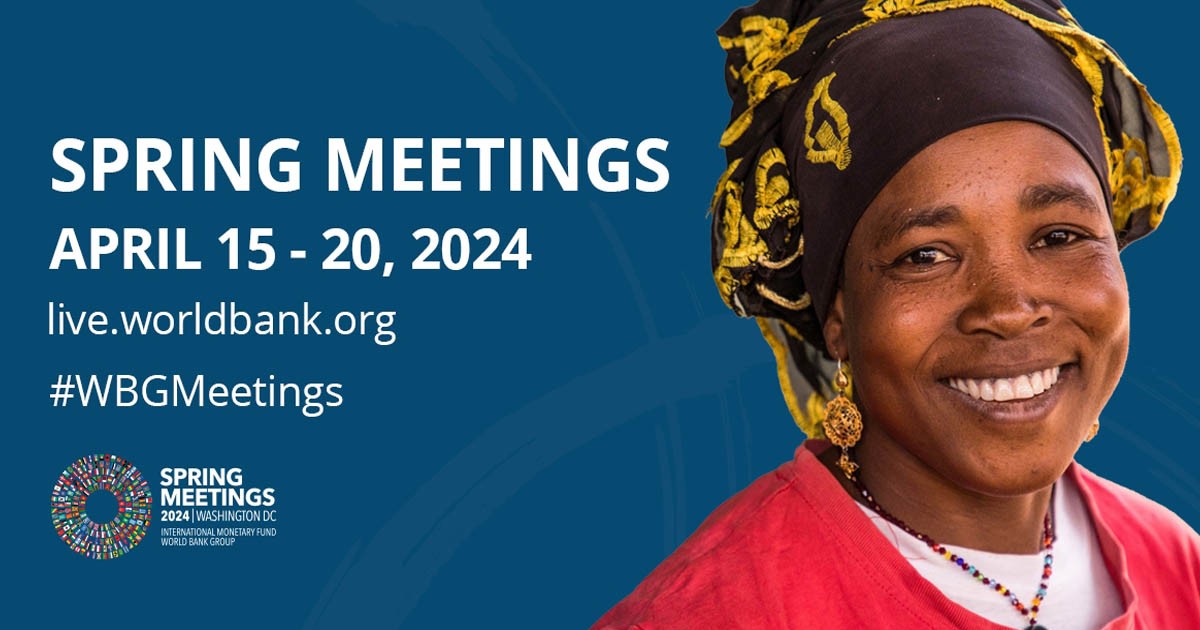
The next official checkpoint for these discussions will be the concluding sessions of the Spring Meetings, where final communiqués regarding the World Economic Outlook and debt sustainability frameworks are expected to be released.
We invite our readers to share their perspectives on the shifting dynamics of global debt in the comments section below.
Related reading