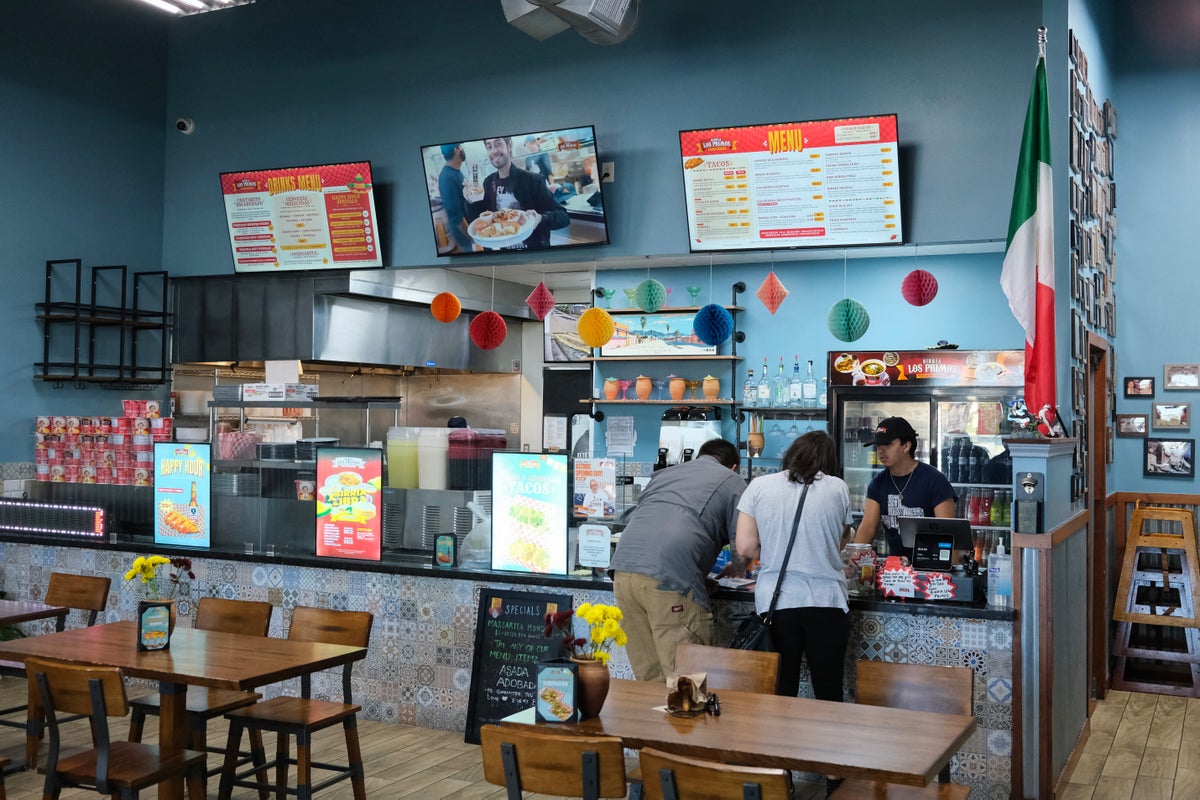
Across the United States, restaurants and food service establishments are sounding the alarm as deportations of immigrant workers reach levels that threaten daily operations. Owners and managers say they are being forced to turn to lawmakers for intervention, arguing that the loss of staff is crippling an industry already strained by rising costs and labor shortages. The situation has prompted urgent appeals from business associations seeking policy adjustments to prevent widespread closures and service disruptions.
According to the U.S. Department of Agriculture’s Economic Research Service, foodservice outlets—defined as facilities that serve meals and snacks for immediate consumption onsite—account for a significant portion of food-away-from-home expenditures in the country. These establishments include full-service restaurants, limited-service outlets, caterers and cafeterias, many of which rely heavily on immigrant labor for both front-of-house and back-of-house roles. The sector’s dependence on this workforce has turn into a focal point in ongoing debates over immigration enforcement and its economic impact.
Recent months have seen increased scrutiny of workplace compliance in industries such as food service, agriculture, and hospitality, with federal audits and inspections leading to detentions and deportations of undocumented employees. While specific national figures on deportations tied directly to food service workers are not publicly disaggregated in official reports, advocacy groups and industry representatives have reported noticeable declines in staffing levels following enforcement actions in states including Texas, California, and Florida. These trends have been corroborated by local business surveys indicating labor shortages linked to immigration concerns.
In response, coalitions representing restaurant owners and hospitality operators have begun lobbying state and federal legislators for relief measures. Their requests include calls for temporary work authorization programs, expanded access to legal pathways for long-term employees, and greater clarity on enforcement priorities to avoid sudden workforce losses. Some have pointed to seasonal visa programs like the H-2B as a potential model, though critics note its limitations in covering year-round food service roles.
The National Restaurant Association has not issued a recent public statement specifically addressing deportation impacts, but individual members in affected regions have testified before local councils and shared concerns with news outlets about declining customer service, reduced operating hours, and increased pressure on remaining staff. In several cases, owners have described having to train managers to cover shifts previously handled by deported workers, further straining operational capacity.
Simultaneously, innovations in on-site food production are being explored by some establishments as a way to reduce reliance on external supply chains and labor-intensive processes. Companies like Cultifutura have promoted modular vertical farming systems—such as their CultEvo units—as tools for restaurants to grow ingredients like microgreens and edible flowers indoors. While these technologies offer potential benefits in sustainability and freshness, they remain supplementary and do not replace the need for skilled kitchen and service personnel.
Food safety and compliance organizations continue to emphasize that any changes to workforce policies must not compromise hygiene or regulatory standards. Firms like SGS North America provide audit and training services to help food service operators maintain compliance with HACCP, ISO 22000, and local health codes, regardless of staffing changes. Their guidance underscores the importance of consistent training protocols, especially during periods of workforce turnover.
As of mid-April 2026, no federal legislation has been introduced that directly addresses deportation deferrals for food service workers, though related discussions are occurring within broader immigration reform conversations. Lawmakers in states with large hospitality economies have begun informal consultations with industry groups, but no formal hearings or bill markups have been scheduled at the national level as of this date.
The ongoing tension between immigration enforcement and labor availability in the food service sector highlights a broader challenge: balancing regulatory compliance with the practical realities of sustaining essential industries. For now, restaurant owners continue to advocate for solutions that recognize the contributions of immigrant workers while seeking stability in an unpredictable environment.
For updates on policy developments affecting the food service industry, readers can monitor announcements from the U.S. Citizenship and Immigration Services, the Department of Labor, and state-level workforce agencies.
What are your thoughts on how immigration policy should address labor needs in essential industries like food service? Share your perspective in the comments below, and consider sharing this article to help inform the conversation.
Keep reading