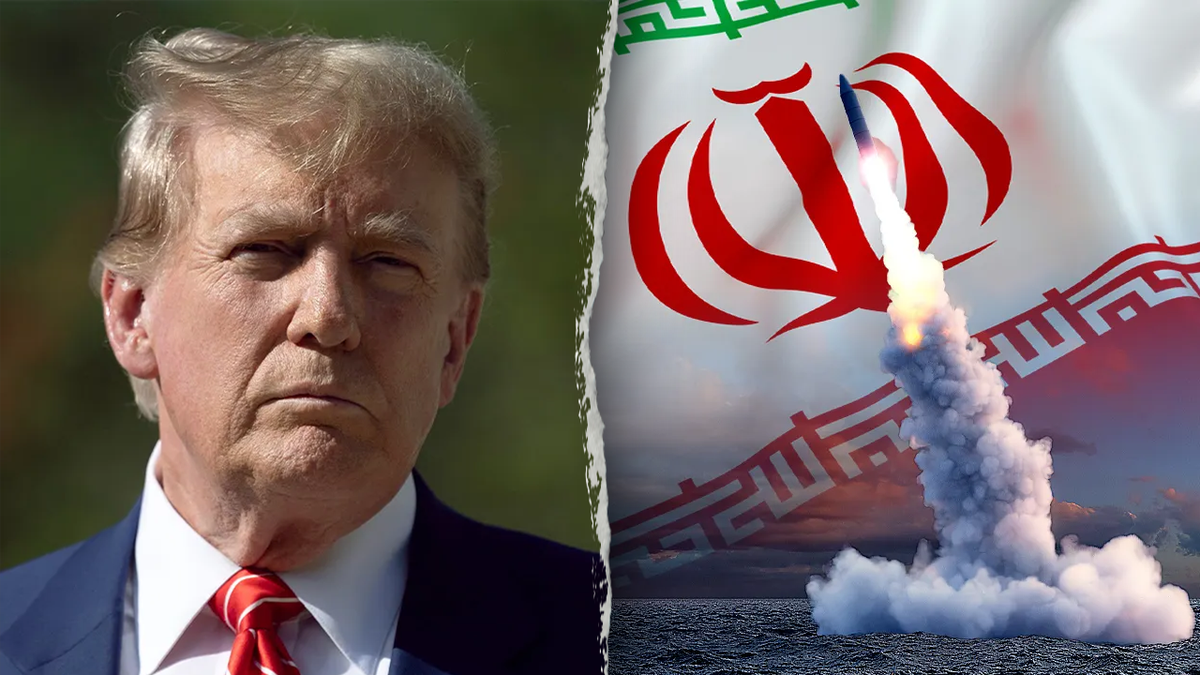
As the United States military action against Iran enters its third month, a growing consensus among Americans suggests that President Donald Trump has failed to convince the public of the conflict’s necessity or effectiveness. Multiple independent surveys conducted in March and April 2026 reveal widespread skepticism about the war’s value, with majorities indicating the use of force was a mistake and expressing disapproval of the president’s handling of the situation.
According to a Pew Research Center survey released on March 25, 2026, about six-in-ten Americans (61%) disapprove of Trump’s management of the U.S. Military campaign against Iran, whereas only 37% approve. The same poll found that nearly six-in-ten (59%) believe the decision to use military force in Iran was the wrong choice, compared to 38% who say it was the right decision. These figures reflect a significant portion of the public unconvinced by the administration’s justification for the conflict, which began in February 2026 following the breakdown of diplomatic talks.
Additional polling reinforces this trend. A CBS News survey cited in early April 2026 indicated that few Americans believe U.S. Objectives in Iran are being met, with many expressing concern over the war’s impact on global stability and household expenses. Similarly, an Ipsos poll released around the same time found that a majority of respondents remained unconvinced that the military action had been worthwhile, citing a lack of clear goals and an uncertain path forward. These findings align with broader concerns about the war’s economic consequences, including disruptions to energy markets and rising costs for consumers.
Internationally, criticism of the U.S. Approach has intensified. In mid-April 2026, UK Chancellor Rachel Reeves described the conflict as a “mistake” that has destabilized the global economy and harmed living standards in both the United Kingdom and the United States. Speaking at a Washington event ahead of the International Monetary Fund’s spring meetings, Reeves said she was not convinced the world was safer as a result of the war and urged the reopening of the Strait of Hormuz to ease energy price pressures. Her remarks highlighted growing transatlantic unease over the lack of a clear exit strategy or defined objectives in the campaign.
Despite these developments, the Trump administration has maintained its position on the conflict. In early April 2026, the president reiterated his interest in securing access to Iran’s oil resources, stating he would “take the oil” if circumstances allowed, though he acknowledged public sentiment favored ending the war. This stance has done little to shift public opinion, which continues to weigh the costs of the engagement against its perceived benefits.
The sustained opposition underscores a key challenge for the administration: translating military action into perceived national interest. With no clear benchmarks for success communicated to the public and ongoing uncertainty about the war’s duration and outcome, many Americans remain unconvinced that the conflict serves broader strategic or economic goals. As the situation evolves, the next major point of accountability will likely come with any future congressional review of war powers or funding authorizations related to the Iran campaign, though no such proceedings have been scheduled as of mid-April 2026.
For ongoing updates on public opinion and policy developments regarding the U.S. Military action in Iran, readers are encouraged to consult nonpartisan research organizations and official government sources. Share your thoughts on this story in the comments below, and consider sharing this article with others interested in U.S. Foreign policy and international affairs.
Keep reading