
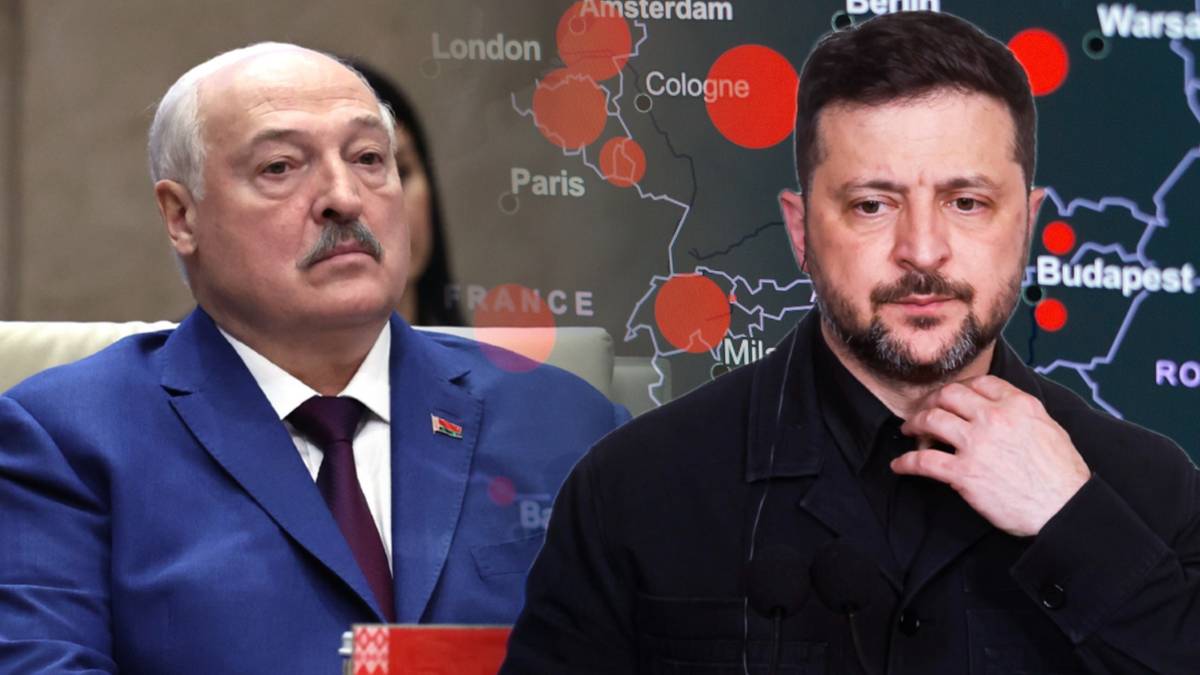
Ukrainian President Volodymyr Zelenskyy issued a stark warning to Belarusian leader Alexander Lukashenko on April 17, 2026, stating that Russia is attempting to draw Belarus into the war against Ukraine through military infrastructure buildup along their shared border. Zelenskyy referenced intelligence reports indicating road construction and artillery positioning in Belarus, framing these actions as preparatory steps for potential Russian-led operations targeting Ukrainian territory. He urged Minsk to reconsider any involvement, citing the recent detention of Venezuelan President Nicolás Maduro by U.S. Forces as a cautionary example of what could occur if Belarus were to actively support Russia’s invasion.
The warning came amid heightened regional tensions, with Ukrainian military officials reporting increased Russian troop movements and logistical preparations in Belarusian border areas. Zelenskyy emphasized that Ukraine remains prepared to defend its sovereignty and territorial integrity, stating that appropriate channels had been alerted to signal Kyiv’s readiness to respond to any escalation. His remarks were delivered via Telegram and echoed across multiple Ukrainian state-affiliated media outlets, reinforcing a consistent message of deterrence aimed at dissuading Belarusian leadership from facilitating further Russian aggression.
Zelenskyy specifically drew a parallel between the current situation in Belarus and the 2024 U.S.-led operation that resulted in the capture of Nicolás Maduro in Venezuela, suggesting that similar swift action could be taken against Lukashenko should Belarus formally enter the conflict. This comparison was intended to underscore the personal and political risks faced by leaders who enable foreign military campaigns deemed illegitimate by Western powers. The reference to Maduro’s detention served not only as a historical analogy but as well as a strategic reminder of the potential consequences for authoritarian rulers who align with Moscow in contested conflicts.
According to Ukrainian defense intelligence cited by Zelenskyy, Russian forces are constructing roads leading toward Ukraine and deploying artillery units along the Belarus-Ukraine border. These developments, he argued, indicate a deliberate effort to prepare Belarusian territory for use in future offensive operations, despite Minsk’s official stance of non-direct combat participation. The buildup includes improvements to logistics networks and the positioning of missile and rocket systems capable of striking deep into Ukrainian territory, raising concerns about the potential opening of a northern front in the war.
The Belarusian government has not publicly confirmed or denied the allegations of military cooperation with Russia, maintaining its longstanding position of supporting Moscow politically while avoiding overt military engagement. Still, independent satellite imagery and battlefield assessments from Western defense analysts have previously shown Russian military convoys transiting through Belarus and staging areas being established near key border crossings. These observations lend credence to Ukrainian claims about preparatory activities, even as Lukashenko continues to deny direct involvement in combat operations.
Zelenskyy’s appeal to Lukashenko framed non-participation as both a strategic and moral choice, arguing that avoiding entanglement in Russia’s war would protect Belarus from international isolation, economic sanctions, and potential targeted actions by Ukrainian or Western intelligence services. He stressed that the character and consequences of recent events in Venezuela should serve as a clear warning to Minsk about the dangers of enabling aggressive foreign wars that violate international norms. The Ukrainian president’s message combined intelligence-based assessment with diplomatic signaling, seeking to influence Belarusian decision-making through a mix of deterrence and reasoned appeal.
As of April 18, 2026, no official response had been issued from the Belarusian presidency or Ministry of Defense regarding Zelenskyy’s statements. Regional security analysts continue to monitor border infrastructure projects and troop movements for signs of escalating coordination between Russian and Belarusian forces. The situation remains fluid, with Ukraine maintaining a state of heightened alert along its northern frontier while pursuing diplomatic channels to prevent further widening of the conflict.
For ongoing updates on developments in Eastern Europe, including verified intelligence assessments and official statements from Kyiv, Minsk, and Moscow, readers are encouraged to consult authoritative sources such as the Ukrainian General Staff’s daily briefings, reports from the Institute for the Study of War, and verified dispatches from international news agencies operating in the region.
We invite our global audience to share perspectives and engage in thoughtful discussion below. Your insights help foster a deeper understanding of complex geopolitical dynamics shaping our world today.