An activist who publicly questioned the professional background of a judicial candidate has refused to issue a public apology after a Mexican electoral tribunal overturned sanctions against him, citing freedom of expression protections in a case tied to allegations of links to organized crime.
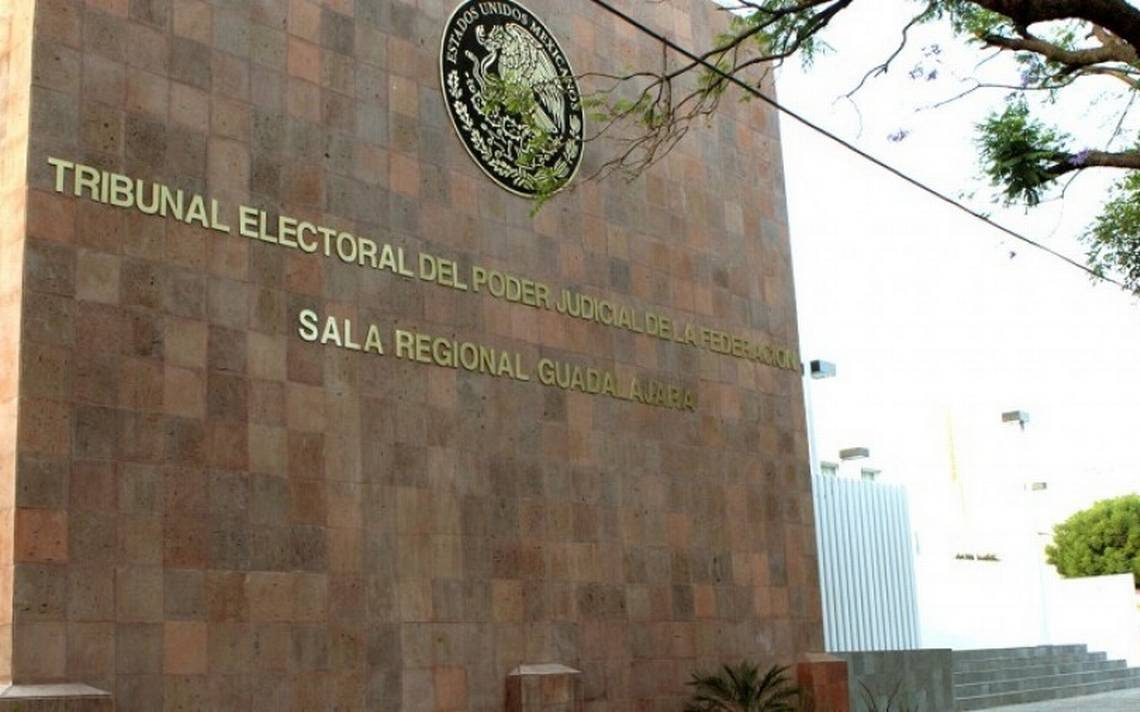
The ruling by the Electoral Tribunal of the Federal Judiciary (TEPJF) in Guadalajara determined that criticisms directed at Silvia Rocío Delgado García, a former lawyer for Joaquín “El Chapo” Guzmán who later became a penal judge in Chihuahua, constituted legitimate public debate rather than gender-based political violence. The decision reversed earlier sanctions that had required the activist, Miguel Alfonso Meza, to apologize publicly, delete social media posts and register in a national database of sanctioned individuals for 180 days.
Meza had shared information during Chihuahua’s judicial selection process highlighting Delgado García’s role as a defense attorney for Guzmán Loera in 2016 and 2017. Local electoral authorities initially classified these posts as gender-motivated political violence, arguing they undermined the candidacy of a woman seeking judicial office. However, the TEPJF’s Guadalajara regional chamber concluded on April 16, 2026, that the remarks focused on her professional qualifications and suitability for the bench, not her gender, placing them within the bounds of protected speech under Mexican electoral law.
The tribunal emphasized that questioning a candidate’s professional history—particularly when it involves high-profile legal representation of figures associated with drug trafficking—falls within the scope of democratic scrutiny, especially during electoral processes. As such, the imposed corrective measures, including the public apology requirement and social media content removal, were deemed disproportionate and unjustified.
Following the ruling, Meza stated he would not comply with the original sanction’s demand for a public retraction, arguing that the tribunal’s decision validated his right to raise concerns about potential conflicts of interest in judicial appointments. His position has drawn attention to broader debates about transparency in Mexico’s judiciary, particularly regarding the vetting of candidates with prior ties to controversial legal cases.
The case underscores ongoing tensions between efforts to combat political violence against women and the protection of free expression in public discourse. While authorities have sought to safeguard female candidates from discriminatory attacks, the TEPJF warned that not all criticism—especially when rooted in professional or ethical concerns—can be automatically classified as gender-based violence without clear evidence linking the critique to the candidate’s identity.
Legal analysts note the ruling may influence how electoral bodies assess similar cases moving forward, particularly where allegations involve professional backgrounds that intersect with public safety or organized crime concerns. The decision reinforces the principle that democratic accountability includes the right to scrutinize a candidate’s past affiliations, provided such scrutiny remains grounded in factual claims and does not descend into hate speech or unfounded personal attacks.
As of now, no further sanctions or legal actions have been announced against Meza. The TEPJF’s decision is considered final within the electoral justice system, though civil or administrative avenues remain theoretically available to the involved parties. Observers suggest the outcome may encourage more open discussion about the professional histories of judicial aspirants, particularly in regions where perceptions of institutional integrity are closely watched.
For ongoing updates on electoral justice rulings and judicial appointments in Mexico, readers can refer to official publications from the TEPJF and the National Electoral Institute (INE), which maintain public records of sanction resolutions and candidate eligibility reviews.
What are your thoughts on the balance between protecting candidates from discrimination and ensuring public scrutiny of their qualifications? Share your perspective in the comments below and help foster informed discussion on this important issue.
Keep reading