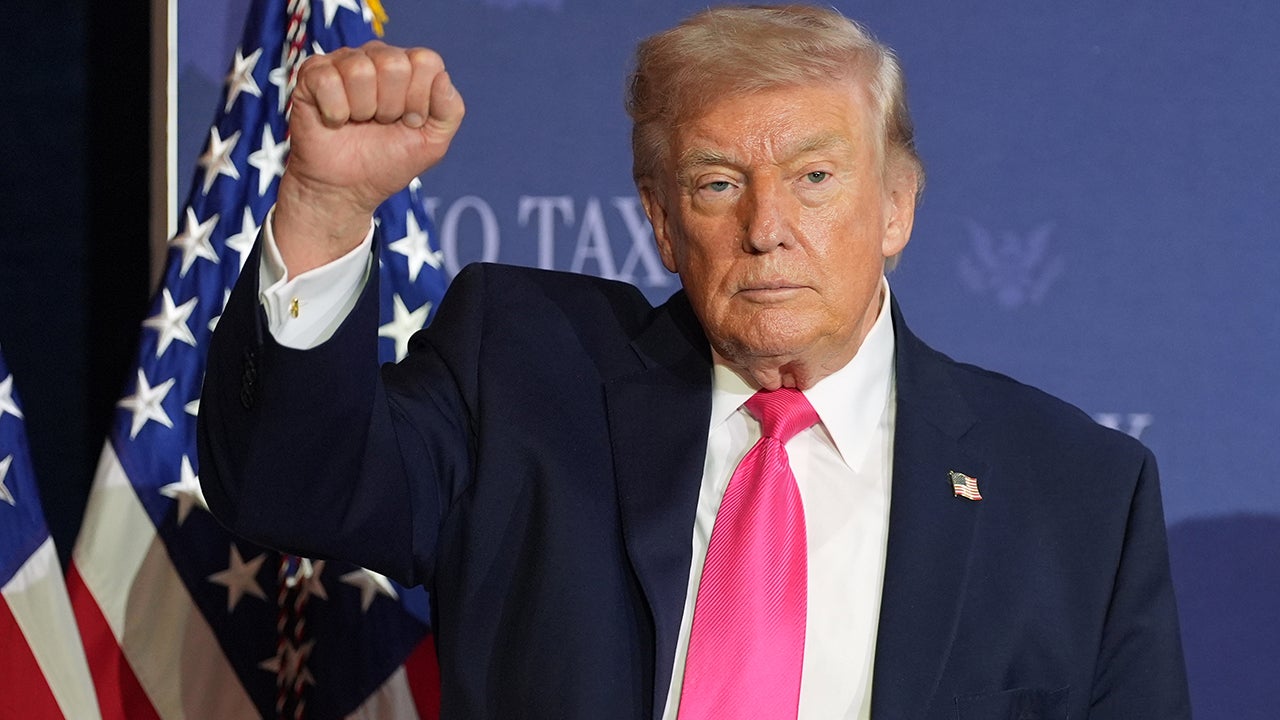
Donald Trump has stated that the Strait of Hormuz remains “completely open” despite ongoing U.S. Efforts to maintain a blockade on Iranian ports, according to recent remarks reported by multiple international news outlets. The comments arrive amid heightened tensions in the Persian Gulf, where Iran has alternately declared the vital shipping lane open and warned it could close the strait if U.S. Actions continue.
In a statement that underscores the conflicting narratives from both sides, Trump affirmed that the U.S. Blockade would “remain in full force” until a peace deal is reached with Iran, even as Iranian officials have declared the strait fully accessible to commercial traffic. The Strait of Hormuz, through which approximately 20% of the world’s oil supply passes, remains a focal point of geopolitical strain between the two nations.
Iranian officials have previously warned that the strait “will not remain open” if the U.S. Blockade persists, signaling Tehran’s willingness to use its strategic control over the waterway as leverage in the ongoing dispute. These statements reflect a pattern of reciprocal messaging, with each side asserting control over access while accusing the other of escalating regional instability.
The situation has had measurable effects on global energy markets, with oil prices fluctuating in response to announcements about the strait’s status. At one point, Brent crude dropped nearly 9% following reports that Iran had reopened the passage, only to rebound as conflicting claims emerged about actual conditions on the ground.
Wall Street reacted sharply to the news, with major indices rallying to record levels as traders interpreted the strait’s openness as a sign of reduced supply disruption risks. Analysts noted that market movements were closely tied to real-time updates from shipping agencies and satellite monitoring of vessel traffic through the strait.
Conflicting Claims Over Access and Control
Despite Iran’s declaration that the Strait of Hormuz is “completely open,” U.S. Officials maintain that sanctions and naval presence continue to restrict Iranian port access, effectively constituting a blockade. Trump’s characterization of the U.S. Position emphasizes that economic pressure on Iran will not ease without diplomatic progress, even if physical passage through the strait remains unimpeded for now.

This distinction between navigational openness and economic access has become central to the dispute. While commercial ships may transit the strait without direct interference, Iranian exports remain heavily constrained by secondary sanctions and restrictions on financial transactions, which U.S. Officials argue amount to an effective blockade.
Iranian leaders have rejected this framing, insisting that any limitation on their ability to sell oil and conduct trade constitutes an act of economic warfare. They have repeatedly called for the immediate lifting of all measures they describe as illegal and unjustified, warning that continued pressure could provoke a stronger response.
International observers have noted the difficulty in verifying real-time conditions in the strait, with no single authority responsible for monitoring or reporting on traffic flow. Satellite data and shipping reports are often cited by analysts, but delays and inconsistencies in reporting build independent confirmation challenging.
Global Implications of Strait of Hormuz Tensions
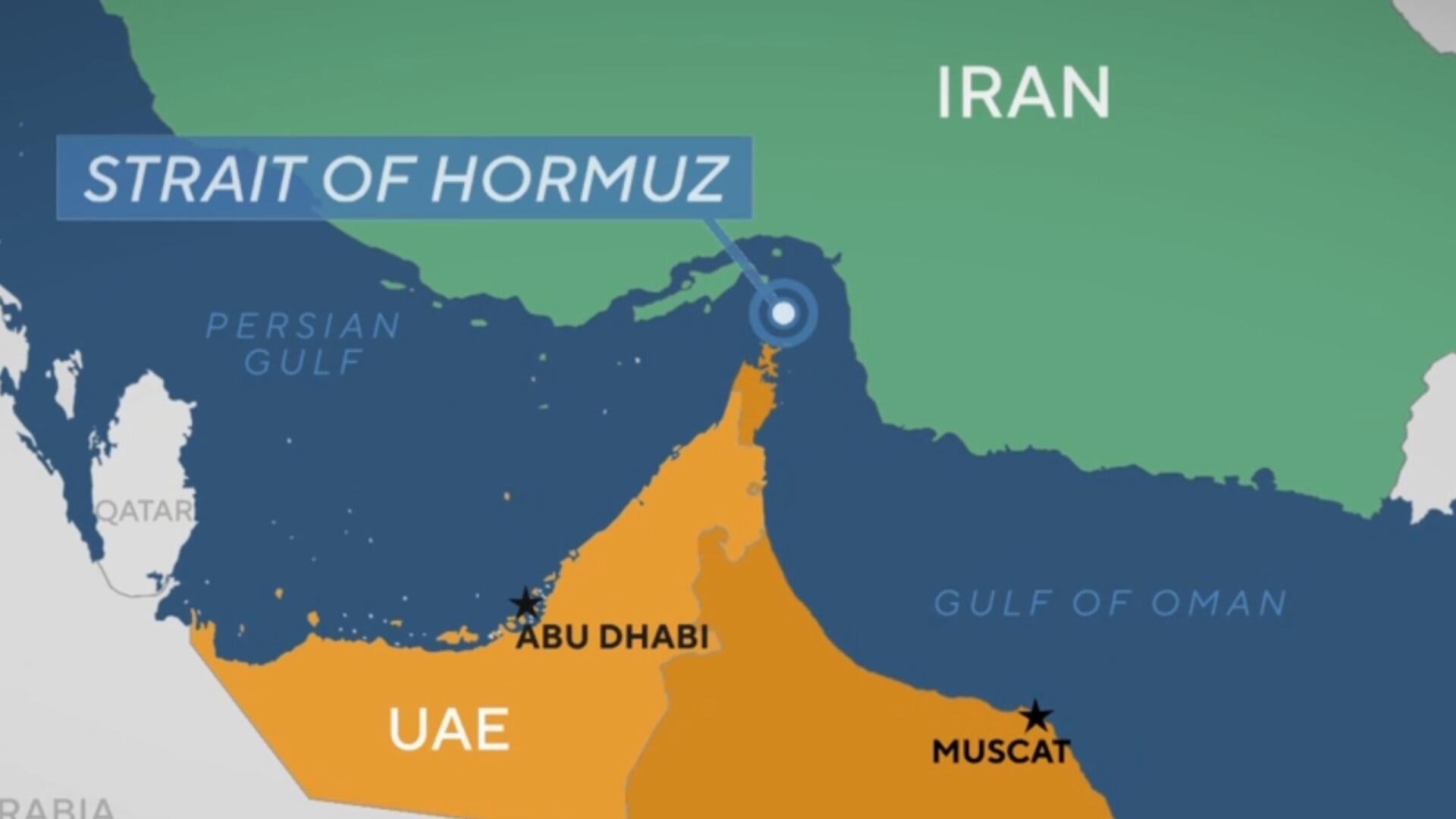
The Strait of Hormuz connects the Persian Gulf to the Gulf of Oman and the Arabian Sea, serving as a critical chokepoint for global energy trade. Major oil producers including Saudi Arabia, Iraq, the United Arab Emirates, Kuwait, and Iran rely on the route to export crude to markets in Asia, Europe, and North America.
Any disruption to traffic through the strait—whether actual or perceived—can trigger immediate spikes in oil prices due to fears of supply shortages. Historically, even rumors of closure have led to speculative trading that amplifies market volatility, affecting everything from gasoline prices to inflation rates worldwide.
Beyond energy, the strait is vital for the transport of liquefied natural gas (LNG), petrochemicals, and other goods. Countries such as Qatar, the world’s largest LNG exporter, depend heavily on unimpeded access to maintain their energy commitments to international customers.
Shipping companies and insurers closely monitor developments in the region, often adjusting premiums or rerouting vessels when perceived risks increase. These adjustments add to transportation costs, which are eventually passed on to consumers and industries reliant on timely deliveries.
Diplomatic Stalemate and Path Forward
Efforts to de-escalate the situation have so far yielded little progress, with both the U.S. And Iran insisting on preconditions that the other views as unacceptable. Washington demands limits on Iran’s nuclear program and regional influence, while Tehran insists on the removal of all sanctions before engaging in meaningful negotiations.
Trump has reiterated that the U.S. Blockade will remain in place until a “peace deal” is achieved, though he has not detailed what such an agreement would entail. Iranian officials, meanwhile, have framed their statements about the strait’s openness as a demonstration of restraint, arguing that they have chosen not to exercise their full capacity to disrupt traffic despite provocation.
Neither side has indicated a willingness to back down from its core positions, leaving the situation in a state of uneasy equilibrium. For now, the strait remains open to navigation, but the underlying conflict over access, sanctions, and regional security shows no signs of resolution.
As of the latest available reports, no formal talks are scheduled between U.S. And Iranian representatives, and no third-party mediator has announced plans to initiate direct dialogue. Observers suggest that any meaningful de-escalation would require a shift in rhetoric and a mutual willingness to explore compromise measures.
For ongoing updates on developments in the Strait of Hormuz and U.S.-Iran relations, readers are encouraged to consult official statements from the U.S. Department of State, Iran’s Ministry of Foreign Affairs, and reports from the International Energy Agency.
If you found this analysis helpful, please consider sharing it with others or leaving a comment below to join the conversation.
Related reading