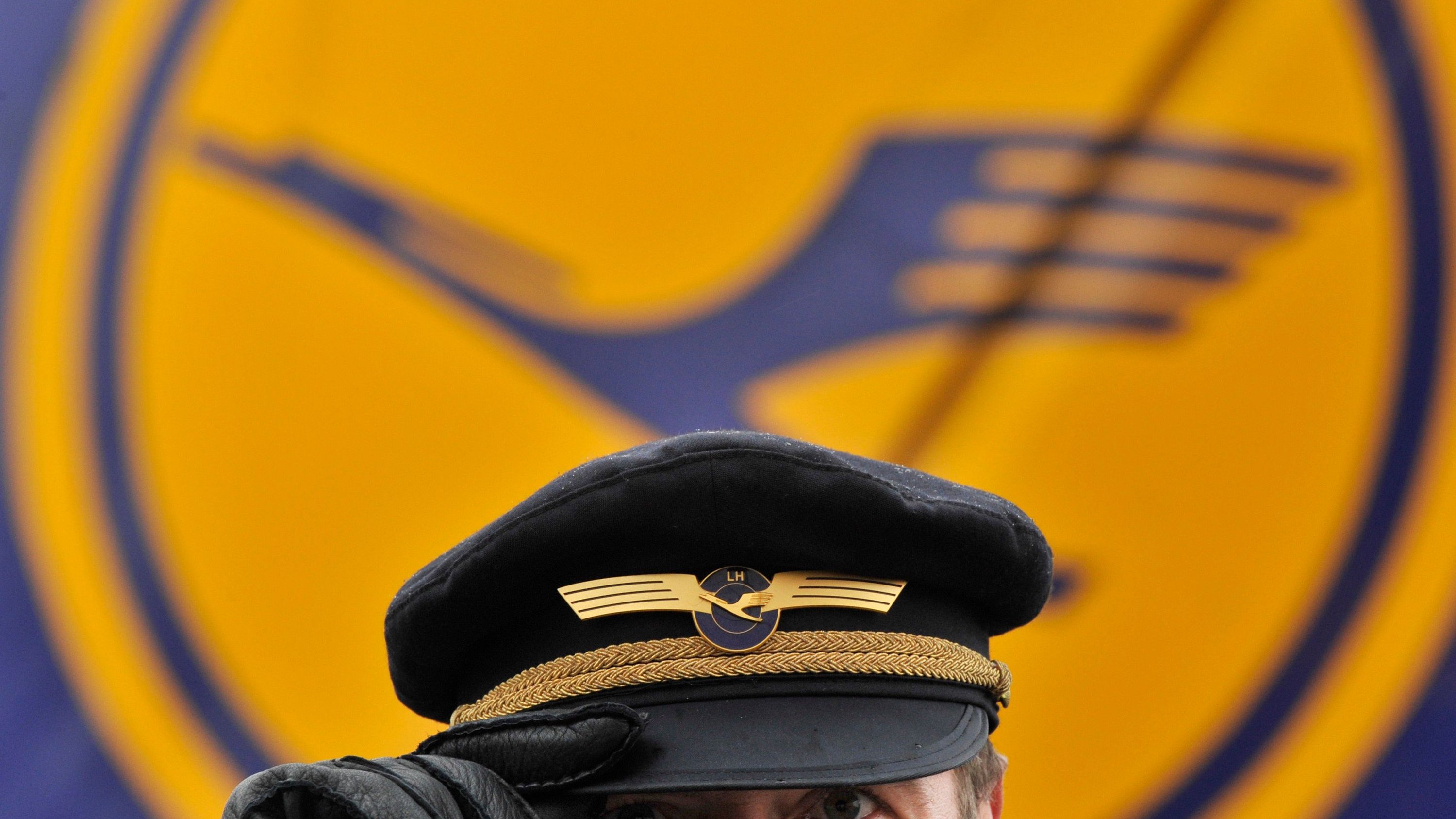
Lufthansa pilots’ salaries in 2026 reflect a complex interplay of collective bargaining agreements, ongoing industrial action, and the airline’s financial recovery following years of pandemic-related strain. As Germany’s flag carrier navigates a turbulent labor landscape, compensation for cockpit crews has become a focal point in negotiations between management and the pilots’ union, Vereinigung Cockpit. Understanding what Lufthansa pilots actually earn requires looking beyond headline figures to examine base pay, flight hour supplements, seniority bonuses, and allowances that vary significantly by aircraft type and rank.
The topic gains urgency amid repeated strikes that have disrupted flights across German hubs like Frankfurt and Munich. In February 2026, a nationwide walkout by Lufthansa pilots paralyzed operations for two days, grounding hundreds of flights and affecting tens of thousands of passengers. This action followed months of stalled talks over pay adjustments tied to inflation and profitability. Whereas the airline reported a return to profit in 2025 after two years of losses, pilots argue their compensation has not kept pace with rising living costs or the increased workload from reduced staffing levels post-pandemic.
According to verified data from industry sources and collective bargaining documents, first officers flying short-haul aircraft like the Airbus A320 family typically start at around €60,000 gross annually in base salary. With flight duty pay, night supplements, and overseas allowances, total earnings can reach €75,000 to €85,000 in the first few years. Captains on the same fleet, after five to ten years of service, earn base salaries between €90,000 and €110,000, with total compensation often exceeding €130,000 when including all variable components. These figures are consistent with disclosures made during tariff negotiations in late 2025 and early 2026, where Vereinigung Cockpit cited average pilot earnings as justification for their demands.
For long-haul operations, pay scales increase substantially due to longer duty periods, international layovers, and higher aircraft responsibility. First officers on wide-body jets such as the Boeing 787 or Airbus A350 begin with base salaries near €70,000, rising to over €100,000 with experience and flight hours. Long-haul captains, particularly those commanding intercontinental routes to Asia or the Americas, can achieve base pay of €140,000 to €160,000 after a decade of service. When factoring in international per diems, timezone compensation, and premium pay for night flights, total annual packages for senior long-haul captains frequently surpass €200,000. These levels place Lufthansa pilots among the better-paid in Europe, though still below counterparts at some Gulf and Asian carriers.
The salary structure is governed by the current collective agreement between Lufthansa and Vereinigung Cockpit, which was last renewed in early 2024 and includes provisions for biennial reviews. Under this framework, base salaries increase automatically with years of service and aircraft type qualification, while variable pay depends on scheduled block hours, night flights, and destination-specific allowances. For example, pilots flying to Japan or South Africa receive higher location allowances than those operating within Europe, reflecting differences in cost of living and rest facility standards.
Transparency around pilot pay has become a point of contention in public debates about the strikes. Management has at times emphasized that Lufthansa offers competitive compensation compared to other European legacy carriers, pointing to data showing average total earnings above €100,000 for experienced pilots. Although, union representatives counter that such averages mask significant disparities, noting that many junior first officers—especially those on part-time or temporary contracts—earn substantially less, sometimes below €50,000 in total annual income during their first two years. They also highlight that pilot purchasing power has eroded due to inflation, which exceeded 6% in Germany during 2023 and remained above 3% through 2025.
Recent developments display that while the February 2026 strike was called off after a tentative agreement was reached, core issues around pay progression and inflation protection remain unresolved. Verhandlungen zwischen Lufthansa und der Vereinigung Cockpit sind für das Frühjahr 2026 geplant, wobei die Forderung nach einer linearen Gehaltserhöhung von 5,5 Prozent sowie einer Inflationsausgleichszahlung im Vordergrund steht. Die Gewerkschaft argumentiert, dass ohne solche Anpassungen die reale Einkommensentwicklung negativ wäre, besonders angesichts der gestiegenen Belastungen durch komplexere Flugpläne und kürzere Turnaroundzeiten an den Flughäfen.
For passengers and industry observers, the outcome of these negotiations will directly affect flight reliability. Lufthansa operates over 1,000 daily flights from its German hubs, and any disruption to pilot availability can trigger cascading cancellations. The airline has sought to mitigate risks by increasing the apply of reserve crews and adjusting scheduling buffers, but union leaders warn that continued erosion of morale could lead to more frequent industrial action if compensation does not keep pace with economic realities.
Those seeking official updates on Lufthansa pilot salaries or ongoing tariff talks can refer to the Lufthansa Group investor relations portal, which publishes annual reports detailing personnel expenses, or the Vereinigung Cockpit website, where collective agreement summaries and negotiation updates are regularly posted. Both sources provide primary information on compensation frameworks and labor relations.
As of April 2026, the next major checkpoint in this ongoing dialogue is scheduled for May, when both parties are expected to reconvene for formal tariff discussions following a series of preparatory meetings. The outcome will determine whether Lufthansa can avoid further disruption to its summer flight schedule—a critical period for transatlantic and holiday travel.
We encourage readers to share their perspectives on fair compensation for airline pilots in the comments below. Has your travel been affected by recent Lufthansa strikes? What factors should determine pilot pay in an era of rising costs and staffing challenges? Join the conversation and help shape informed discussion on this key issue.
Related reading
- JAY-Z Announces New London and LA Tour Dates for 30th Anniversary Celebration
- Major Warehouse Fire in Mexico City’s Historic Center: Emergency Response and Updates
- SpaceX Rocket Stage Projected to Strike Moon Near Einstein Crater (archyworldys.com)
- Measles Cases Hit 35-Year High: The Start of a New Crisis (newsdirectory3.com)