Ukraine is rapidly expanding its air defense capabilities to mitigate the impact of Russian ballistic and cruise missile strikes. The integration of advanced Western technologies, including Patriot missile batteries and F-16 fighter jets, provides a sophisticated multi-layered defense intended to protect critical infrastructure and civilian population centers from ongoing aerial attacks.
The intensity of Russian aerial campaigns has forced a significant shift in how Kyiv manages its airspace. According to the Ukrainian Air Force, Russia continues to utilize a combination of high-speed ballistic missiles, low-flying cruise missiles, and loitering munitions to overwhelm existing defenses. To counter this, Ukraine is transitioning from a reactive posture to a more proactive, integrated air defense network that utilizes various ranges of engagement to intercept different classes of threats.
The deployment of these advanced systems follows months of diplomatic and military coordination between Kyiv and its Western allies. Military analysts note that the arrival of more sophisticated hardware is not merely about increasing the number of interceptions, but about improving the precision and speed with which Ukraine can respond to diverse flight profiles. This includes the ability to track and engage targets that previously evaded medium-range radar systems.
What systems are strengthening Ukraine’s airspace?
The core of Ukraine’s enhanced defense relies on a multi-layered approach, utilizing different systems to target specific types of incoming projectiles. The Patriot missile system remains the most critical asset for long-range and high-altitude defense. Because of its ability to intercept ballistic missiles, the Patriot system is often deployed to protect high-value targets such as power plants, government buildings, and major urban centers.
For medium-range engagements, Ukraine has increasingly relied on the German-supplied IRIS-T and the American NASAMS systems. According to reports from the Associated Press, these systems are particularly effective against cruise missiles and advanced drones. While the Patriot system handles high-speed, high-altitude threats, the IRIS-T provides a more agile response to low-altitude targets that attempt to fly under traditional radar coverage.
The logistical challenge involves managing a “mixed fleet” of technologies. Each system requires specific maintenance, specialized training, and distinct types of ammunition. Ukrainian officials have noted that the interoperability of these systems—ensuring that a radar from one nation can pass targeting data to a missile launcher from another—is essential for a seamless defense network. This integration is facilitated by NATO-standard communication protocols that allow different batteries to function as a single cohesive unit.
Current defense assets can be categorized by their engagement range and primary target profile:
| System Type | Primary Target Profile | Key Advantage | Example Systems |
|---|---|---|---|
| Long-Range | Ballistic missiles, high-altitude aircraft | High-speed interception and massive engagement radius | Patriot (MIM-104) |
| Medium-Range | Cruise missiles, advanced UAVs | High precision and rapid reaction times | IRIS-T, NASAMS |
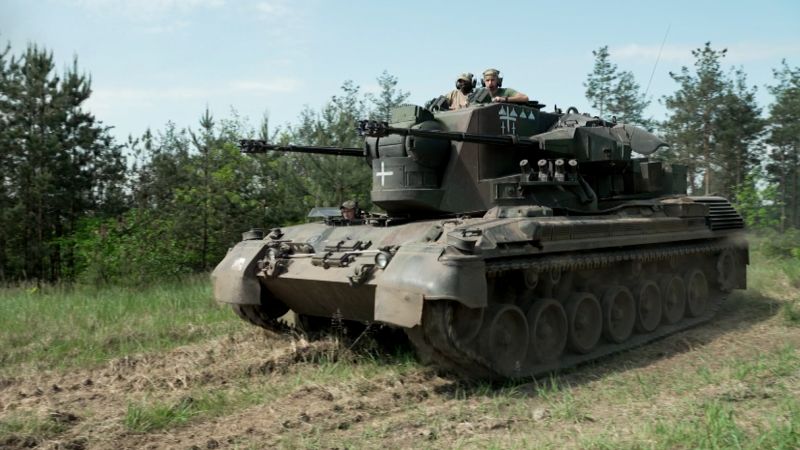
| Short-Range | Loitering munitions (drones), low-flying missiles | Mobility and cost-effectiveness for high-volume threats | Gepard (anti-aircraft guns), MANPADS |
How do F-16 fighter jets contribute to missile defense?
While much of the focus remains on ground-based missile batteries, the integration of F-16 fighter jets into the Ukrainian military is expected to add a vital mobile layer to the air defense umbrella. Unlike stationary missile batteries, F-16s can be repositioned quickly to respond to emerging threats or to intercept aerial targets in areas where ground-based radar coverage is limited or compromised.
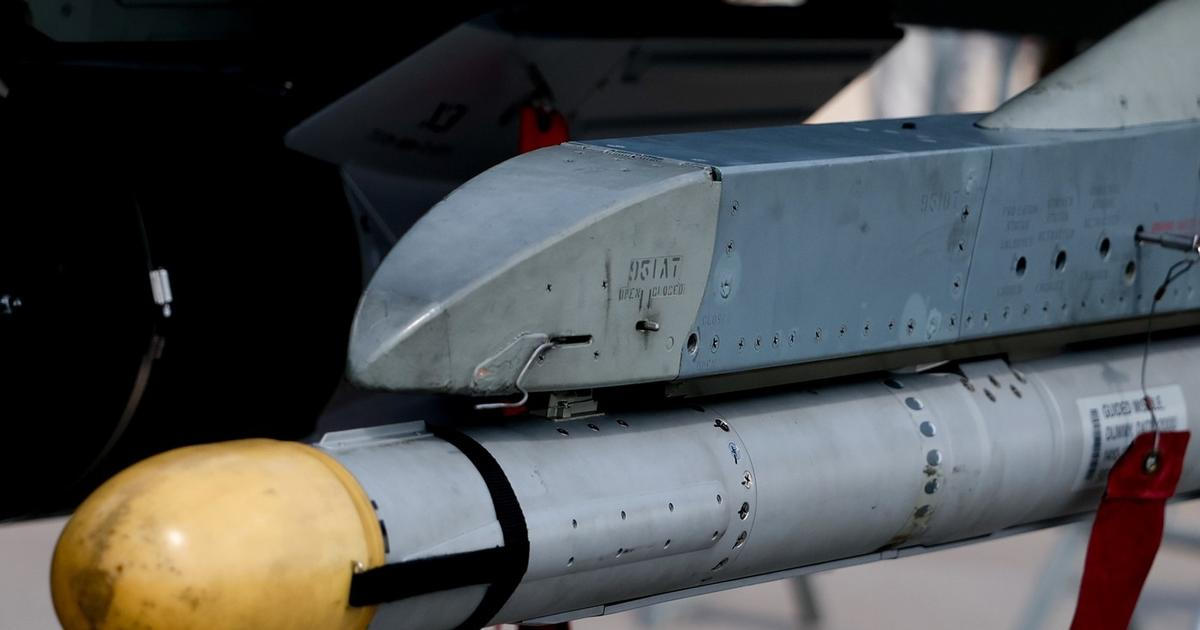
The utility of the F-16 in a defensive role depends heavily on the munitions it carries. Once equipped with advanced radar-guided missiles, such as the AIM-120 AMRAAM, these aircraft can engage enemy threats well before they reach Ukrainian airspace. This creates a “buffer zone” that forces Russian bombers and missile carriers to operate at greater distances, reducing their accuracy and increasing their vulnerability.
Furthermore, F-16s provide a solution to the “radar gap” problem. Russian electronic warfare (EW) units often attempt to jam or deceive ground-based radar stations. Aerial platforms can act as mobile sensor nodes, providing real-time targeting data to ground batteries and helping to bypass localized jamming efforts. This capability is essential for maintaining situational awareness during large-scale, multi-axis missile strikes.
Why is a multi-layered defense necessary?
The necessity of a multi-layered defense stems from the technical differences between the various weapons Russia employs. A single type of defense cannot effectively counter a saturation attack that includes both slow-moving drones and hyper-fast ballistic missiles. If a military relies solely on expensive long-range missiles like the Patriot to intercept low-cost “Shahed” style drones, the cost-to-kill ratio becomes unsustainable.

A “layered” strategy addresses three distinct flight characteristics:
- Ballistic Trajectories: These missiles travel in high, predictable arcs at extreme speeds. They require high-altitude, high-velocity interceptors like the Patriot.
- Cruise Missile Trajectories: These missiles fly at low altitudes, often following the terrain to avoid radar. They require highly sensitive, low-altitude radar and agile interceptors like the IRIS-T.
- Loitering Munitions (Drones): These are slow, low-cost, and often fly in “swarms.” They are most efficiently countered by short-range systems, including mobile anti-aircraft guns or shoulder-fired missiles, to preserve more expensive interceptor stocks.
This distinction is critical for the long-term sustainability of Ukraine’s defense. By utilizing the most cost-effective tool for each specific threat, the Ukrainian military aims to maximize its limited stockpile of advanced interceptors while still maintaining a high level of protection for its citizens and energy infrastructure.
What are the challenges for Ukraine’s air defense?
Despite the influx of advanced hardware, significant hurdles remain. The primary challenge is the sheer volume of ammunition required. Each missile interception consumes a high-value interceptor, and the current rate of Russian strikes often approaches the maximum capacity of available stocks. Maintaining a sufficient “magazine depth” is a constant concern for both Ukrainian planners and their international supporters.
Logistics and maintenance also present ongoing difficulties. Operating a diverse array of Western systems requires a complex supply chain to deliver spare parts, specialized fuel, and technical expertise to the front lines. Additionally, the continuous training of personnel is necessary to ensure that operators can handle the increasingly sophisticated software and electronic warfare environments encountered in modern combat.
Finally, the economic reality of air defense cannot be ignored. The cost of intercepting a relatively inexpensive drone with a multi-million dollar missile is a strategic imbalance that Russia seeks to exploit. This economic attrition is a central component of the ongoing aerial campaign, making the procurement of more diverse and cost-efficient defensive tools a top priority for Kyiv.
The Ukrainian Ministry of Defense is expected to provide further updates regarding the deployment of additional air defense batteries and the status of F-16 integration following the next scheduled military briefings.
Please share this article and join the conversation in the comments below. What are your thoughts on the evolution of aerial warfare in this conflict?
Related reading