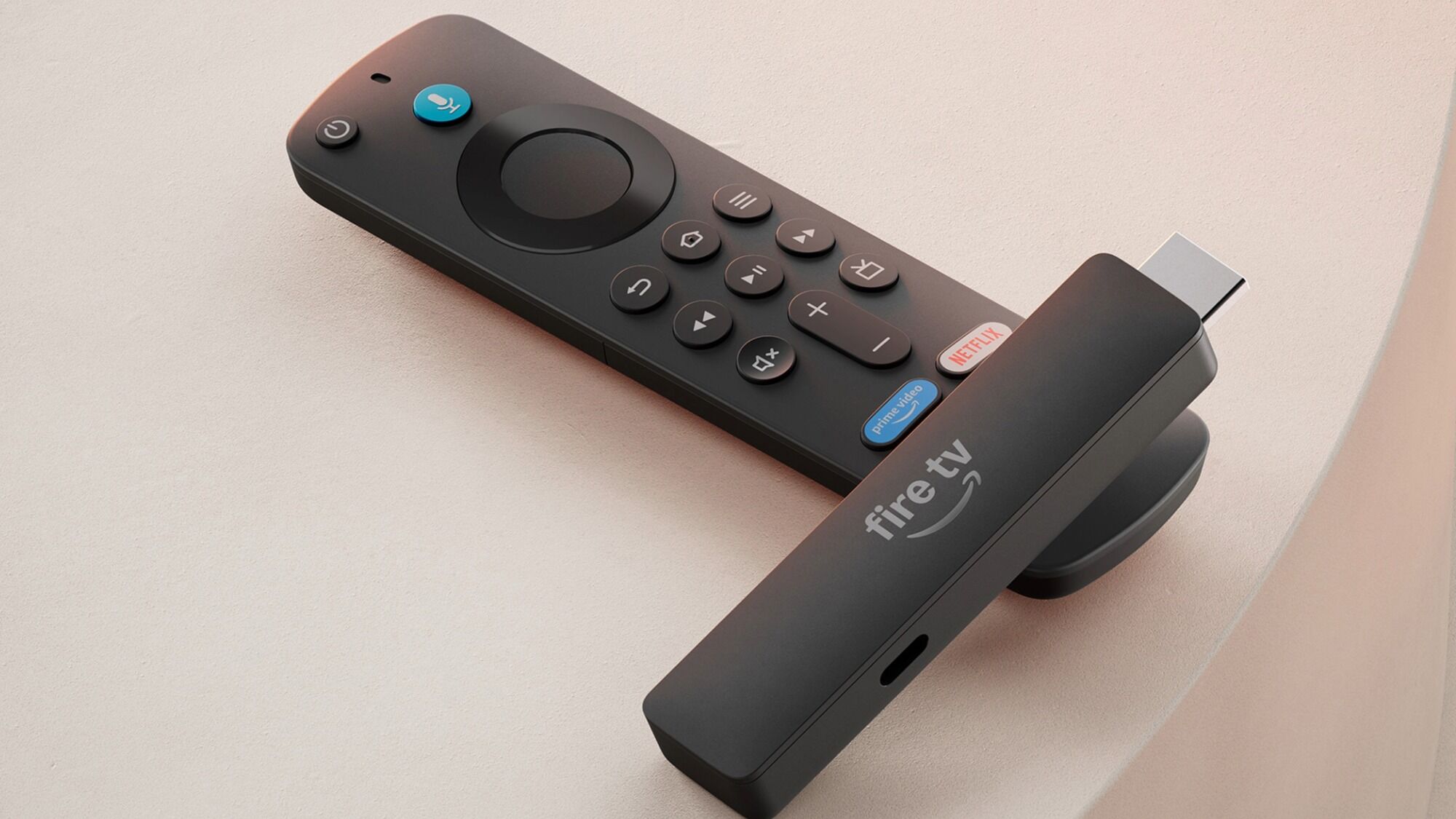
Amazon’s latest streaming device, the Fire TV Stick HD, has entered the market with a notable shift: it runs on Vega OS, the company’s new Linux-based operating system, marking a departure from the long-used Fire OS, which is based on Android. This change has sparked discussion among users and tech observers, particularly around the implications for sideloading third-party applications—a practice that has long been popular among enthusiasts seeking to expand functionality beyond Amazon’s official app store.
The device was unveiled in early April 2026 as part of Amazon’s ongoing refresh of its Fire TV lineup. Positioned as a mid-tier streaming stick, it promises improved performance and a slimmer design compared to its predecessors. However, early reports indicate that Amazon is informing potential buyers that sideloading apps may not be supported on this model, a restriction that could affect users who rely on unofficial apps for media access, customization, or niche streaming services.
This move represents a significant evolution in Amazon’s approach to its streaming hardware. For years, Fire OS allowed users to enable “Apps from Unknown Sources” in developer settings, facilitating the installation of applications not available through the Amazon Appstore. The transition to Vega OS appears to tighten those controls, aligning more closely with a controlled ecosystem model.
Despite these restrictions on newer models, Amazon has emphasized its commitment to long-term support for existing devices. The company confirmed that it will continue to provide software updates and security patches for a majority of its Fire TV streaming sticks and Cube devices through 2030. This assurance aims to reassure current users that their investments in older hardware will remain viable for years to come, even as newer models adopt different software foundations.
The shift to Vega OS is part of a broader strategy to gain greater control over the user experience, performance optimization, and security architecture across its device ecosystem. By moving away from Android’s open framework, Amazon can tailor the operating system more precisely to its hardware, potentially improving boot times, memory management, and resistance to unauthorized modifications.
Industry analysts note that this trend mirrors similar moves by other tech companies seeking to balance openness with control. While sideloading has empowered users and fostered innovation in the streaming space, it also presents challenges related to piracy, malware, and inconsistent user experiences. Amazon’s decision may reflect an effort to mitigate these risks while maintaining a competitive edge in the crowded streaming hardware market.
For consumers, the change raises practical questions about flexibility and ownership. Those who have come to rely on sideloaded apps—such as custom media players, retro gaming emulators, or regional streaming services not offered in the Amazon Appstore—may find their options limited on the Fire TV Stick HD. Amazon has not published a comprehensive list of permitted sideloading exceptions, leaving some uncertainty about whether specific use cases will be accommodated through official channels.
To address user concerns, Amazon has begun displaying notices during the purchasing process for the Fire TV Stick HD, alerting buyers that sideloading capabilities are restricted. These messages appear on product pages and during checkout, signaling a proactive effort to manage expectations. However, the company has not yet issued a detailed public statement explaining the technical or policy reasons behind the restriction.
Security experts suggest that limiting sideloading could reduce the attack surface for malicious software, particularly given the increasing targeting of smart TV devices by cyber threats. By controlling which applications can run on its devices, Amazon may be able to enforce stricter code-signing requirements and sandboxing protocols, enhancing overall system integrity.
At the same time, the move has drawn criticism from digital rights advocates who view sideloading as a legitimate exercise of user autonomy over purchased hardware. They argue that restrictions on software installation can undermine the principle of device ownership, especially when consumers are not clearly informed of limitations before purchase.
Amazon’s broader Fire TV ecosystem remains extensive, encompassing not only streaming sticks but also soundbars, televisions, and gaming controllers. The company continues to invest heavily in voice integration through Alexa, positioning its devices as central hubs for smart home entertainment. The longevity pledge for existing models suggests that Amazon values backward compatibility and user retention, even as it experiments with new software directions.
As of now, there is no indication that Amazon plans to retroactively restrict sideloading on current Fire OS-based devices. The limitation appears to apply specifically to new hardware launching with Vega OS, including the Fire TV Stick HD and, reportedly, an upcoming version of the Fire TV Cube expected later in 2026.
Users seeking to confirm the sideloading status of a specific Fire TV device are advised to consult Amazon’s official support pages or contact customer service directly. The company maintains a device compatibility matrix that outlines software capabilities, though it does not always highlight sideloading restrictions in plain language.
The introduction of Vega OS also raises questions about app compatibility. While many popular streaming services—such as Netflix, Disney+, and HBO Max—have developed native versions for Amazon’s platforms, the transition to a new OS could require redevelopment efforts from smaller developers. Amazon has stated that It’s working with partners to ensure a smooth transition, but the long-term viability of third-party app support remains to be seen.
For developers, the shift may necessitate adjustments in how applications are packaged and distributed. Unlike Fire OS, which allowed the use of Android Package Kit (APK) files for sideloading, Vega OS may employ a different format or signing process. Amazon has not yet released a public software development kit (SDK) for Vega OS, limiting transparency for external creators.
Despite these uncertainties, the Fire TV Stick HD has received generally positive early reviews for its performance. Benchmarks suggest improved video decoding, faster app launches, and better thermal management compared to previous generations. The device supports 1080p Full HD streaming, HDR10, and Dolby Audio, positioning it as a capable option for users who do not require 4K capabilities.
Priced competitively at under $30, the Fire TV Stick HD aims to capture budget-conscious consumers while serving as a gateway into Amazon’s broader ecosystem. Its compact form factor and ease of setup continue to make it a popular choice for secondary bedrooms, travel, or gifting.
Looking ahead, Amazon’s next steps will likely include monitoring user feedback, assessing developer adoption of Vega OS, and evaluating whether the trade-offs between control and openness yield measurable benefits in security, performance, or user satisfaction. The company may also consider offering limited sideloading pathways—such as a developer mode or approved side-load list—to balance openness with safety.
For now, the Fire TV Stick HD stands as a signal of Amazon’s evolving philosophy: one that prioritizes system integrity and curated experiences, even as it challenges long-standing expectations of flexibility in its streaming hardware. Whether this approach strengthens or strains its relationship with power users remains an open question, one that will be shaped by real-world usage, community response, and the pace of innovation in the streaming landscape.
To stay informed about updates to Amazon’s Fire TV devices, including policy changes related to sideloading or software support, users can visit the official Amazon Devices support page or subscribe to announcements from the Amazon Developer Blog.
What are your thoughts on Amazon’s move to restrict sideloading on its newest Fire TV Stick? Have you relied on sideloaded apps for your streaming setup, and how might this change affect your experience? Share your perspective in the comments below, and consider sharing this article with others who follow developments in home entertainment technology.
Related reading