
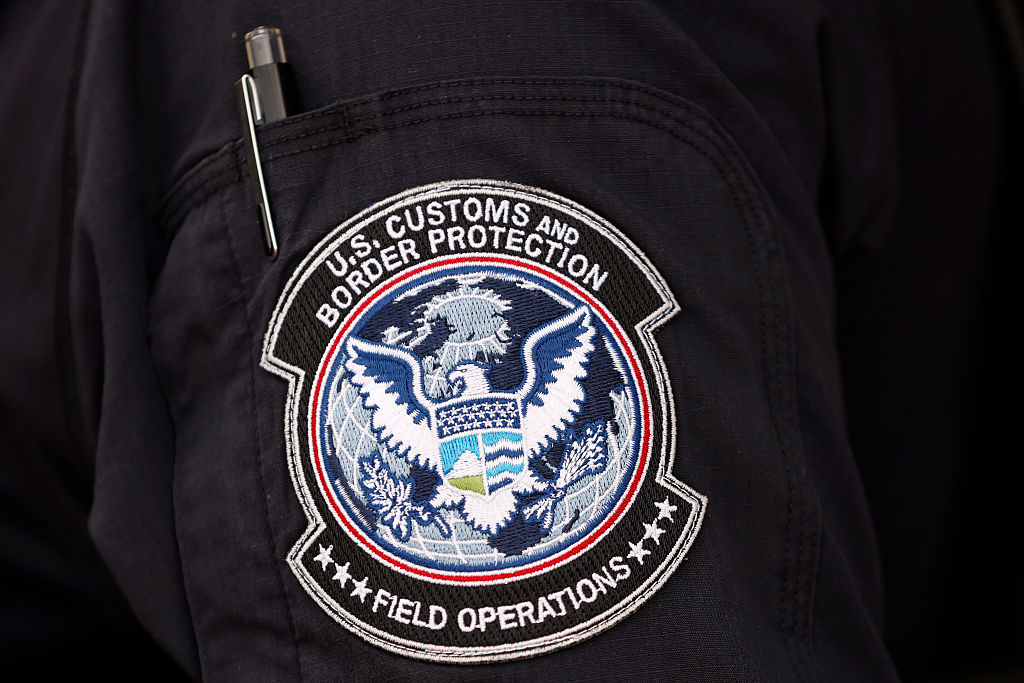
In February 2025, a significant policy shift emerged regarding legal support for migrant youth in the United States, drawing attention from educational institutions and advocacy groups nationwide. Reports indicate that a directive from the Trump administration prompted changes to federally funded programs designed to assist unaccompanied minors navigating immigration proceedings. This development has sparked discussions about the intersection of immigration policy, educational partnerships, and the rights of vulnerable young people seeking asylum or legal residency.
The core of the matter centers on a reported halt to financial assistance for specific immigration legal aid services, particularly those serving children who arrive in the U.S. Without a parent or legal guardian. These services, often operated through university-affiliated clinics or non-profit organizations, have historically provided crucial guidance to minors facing complex deportation hearings. The reported intervention has raised questions about the availability of pro bono legal representation for this demographic and the potential consequences for their immigration cases.
Simultaneously, there have been noted instances of collaborations between certain colleges and universities and federal immigration enforcement agencies, specifically U.S. Immigration and Customs Enforcement (ICE). These partnerships, which vary in scope and nature, have been cited in discussions about campus safety protocols and information sharing. The convergence of reduced legal aid resources and increased institutional cooperation with enforcement bodies has created a complex landscape for migrant students and youth seeking support within educational settings.
Understanding the full scope of these developments requires examining the specific mechanisms of federal funding for youth immigration programs, the nature of reported institutional partnerships with ICE, and the potential implications for due process protections. As the situation continues to evolve, stakeholders across the legal, educational, and humanitarian sectors are monitoring for further clarifications from government agencies and assessing the real-world impact on affected individuals.
Understanding the Reported Funding Directive and Its Scope
To grasp the significance of the reported changes, it is essential to clarify what the Unaccompanied Children Program (UCP) entails and how federal funding typically supports legal representation for this vulnerable population. The UCP, administered by the Office of Refugee Resettlement (ORR) within the U.S. Department of Health and Human Services (HHS), is responsible for the care and placement of children who are apprehended by immigration authorities while attempting to enter the United States without a parent or guardian. A critical component of this program involves ensuring access to legal counsel, as navigating immigration court without representation significantly decreases the likelihood of a favorable outcome for the child.
Federal grants and contracts have historically supported non-profit organizations, legal aid societies, and university-based law clinics in providing pro bono or low-cost legal services to these minors. These services include helping children understand their rights, preparing them for court appearances, filing necessary applications for asylum or other forms of relief, and representing them during proceedings. The reported directive in question appears to target the financial mechanisms sustaining these specific legal aid efforts, potentially disrupting the pipeline of available attorneys and paralegals trained to handle juvenile immigration cases.
According to reports from immigrant rights organizations monitoring the situation, the alleged halt in funding was communicated via a directive issued in mid-February 2025. While the precise legal instrument—whether an executive order, memo, or administrative instruction—remains under scrutiny by legal experts, the reported effect was an immediate cessation of certain federal financial flows to organizations relying on these grants for their youth immigration legal work. This has prompted concerns about the sudden loss of capacity within the legal aid network serving unaccompanied children.
federal funding for the broader UCP, which covers shelter, food, medical care, and case management, operates through separate channels. The reported intervention specifically seems to focus on the legal representation component, which has often been supplemented by discretionary grants or specific line items within broader ORR awards. Clarifying the exact nature and legal basis of the reported funding restriction remains a priority for advocates seeking to understand the scope of the challenge and explore potential countermeasures.
College Partnerships with ICE: Nature and Implications
Parallel to the discussions around legal aid funding, there has been ongoing scrutiny of agreements between various educational institutions and U.S. Immigration and Customs Enforcement (ICE). These arrangements, often formalized as Memoranda of Understanding (MOUs) or similar agreements, typically outline protocols for information sharing, cooperation during investigations, or access to campus facilities under specific circumstances. It is crucial to distinguish these partnerships from sanctuary campus policies, which many universities have adopted to limit cooperation with federal immigration enforcement absent a judicial warrant.
The nature of these ICE partnerships varies significantly. Some agreements focus narrowly on criminal investigations involving non-immigration-related felonies where ICE has jurisdiction, such as human trafficking or fraud investigations. Others may involve more routine information sharing about international students participating in exchange programs or adherence to Student and Exchange Visitor Information System (SEVIS) requirements. However, certain agreements have drawn criticism from civil liberties groups when they appear to facilitate broader immigration enforcement actions, such as providing information that could lead to the detention or deportation of students, faculty, or staff based on immigration status alone.
Advocacy organizations like the American Civil Liberties Union (ACLU) have documented instances where campus police departments, acting under such agreements, have detained individuals for transfer to ICE custody following minor infractions or based solely on suspected immigration violations. These cases have fueled debates about the role of educational institutions in either facilitating or resisting federal immigration enforcement efforts. For migrant youth who may be pursuing education while their immigration cases are pending, the presence of such partnerships on campus can create an atmosphere of uncertainty and fear, potentially deterring them from seeking necessary academic or legal support services.
Transparency regarding the existence and specific terms of these ICE partnerships remains a key concern. While some institutions publicly disclose their agreements, others have been less forthcoming, prompting calls for greater accountability and community input regarding decisions that affect campus safety and inclusivity. Understanding the precise scope and limitations of any given partnership is essential for assessing its potential impact on vulnerable student populations, including those who are unaccompanied minors or have recently been released from ORR custody into community settings.
Impact on Migrant Youth and Educational Access
The convergence of reported reductions in legal aid funding and the existence of campus-ICE partnerships creates a multifaceted challenge for migrant youth navigating the U.S. Immigration system while attempting to pursue education. For unaccompanied children who have been released from ORR custody to sponsors (often family members) while their immigration cases proceed, access to reliable legal representation is paramount. These youths frequently face complex asylum claims, special immigrant juvenile status (SIJS) applications, or other forms of relief that require specialized knowledge of immigration law and procedure.
Without adequate legal support, the risk of missing critical filing deadlines, misunderstanding procedural requirements, or being unable to effectively present their case in immigration court increases substantially. Studies consistently show that represented children are significantly more likely to be granted protection from removal than those who appear without counsel. The reported disruption to funding streams for university law clinics and non-profit legal aid providers directly threatens this essential support mechanism, potentially leaving thousands of youths to navigate the system alone.
for migrant youth who are enrolled in colleges or universities, the knowledge that their institution has an active partnership with ICE can exacerbate anxiety and distrust. Even if the partnership is limited to specific, non-immigration-related criminal matters, the perception of collaboration with federal immigration enforcement can deter students from seeking help from campus resources, including legal clinics, counseling services, or academic advisors. This chilling effect can hinder their academic performance, access to necessary support systems, and overall sense of safety and belonging within the educational environment.
The situation is particularly acute for students who may themselves be undocumented or have pending immigration cases, as they may fear that seeking assistance could inadvertently trigger enforcement actions against them or their families. Educational institutions thus face a complex balancing act between maintaining campus safety, complying with federal laws, and upholding their mission to provide equitable access to education for all students, regardless of immigration status. The reported changes in legal aid funding and the landscape of institutional partnerships with ICE are central factors in this ongoing institutional and ethical deliberation.
Responses from Advocacy Groups and Educational Institutions
In response to the reported developments, various immigrant rights organizations, legal service providers, and educational advocacy groups have issued statements expressing concern and calling for transparency. Groups such as the National Immigration Law Center (NILC) and Kids in Need of Defense (KIND) have highlighted the potential human cost of reduced access to legal representation for vulnerable children, emphasizing that due process rights are compromised when individuals cannot effectively navigate the immigration system.
These organizations have urged the administration to clarify the legal basis for any funding restrictions and to ensure that essential services for unaccompanied minors are not disrupted. They have as well called upon educational institutions to review and, where necessary, renegotiate or terminate partnerships with ICE that could negatively impact immigrant students, advocating instead for the adoption of robust sanctuary campus policies that prioritize student safety and access to education over immigration enforcement cooperation.
Conversely, some institutions that maintain ICE partnerships have defended these arrangements as necessary for maintaining campus safety and cooperating with federal investigations into serious crimes. They argue that such agreements are narrowly tailored and include safeguards to prevent misuse for immigration enforcement purposes. However, critics contend that the mere existence of formal cooperation channels can be exploited or perceived as endorsing broader enforcement objectives, particularly in a climate of heightened immigration scrutiny.
The debate has also reached university law schools, where clinics that have historically provided immigration legal aid are assessing their operational capacity in light of the reported funding changes. Some clinics have reported exploring alternative funding sources or adjusting their service models, while others have expressed concern about the long-term sustainability of providing this critical community service without reliable federal support. The situation underscores the interconnectedness of federal policy, institutional practices, and the lived experiences of migrant youth seeking safety and opportunity in the United States.
Where to Find Official Information and Updates
For individuals seeking to understand the current status of federal funding for unaccompanied children’s legal services or the specifics of institutional partnerships with ICE, several official resources provide authoritative information. The Office of Refugee Resettlement (ORR), a division of the Administration for Children and Families (ACF) under HHS, oversees the UCP and regularly publishes guidance, funding announcements, and program statistics on its official website. Monitoring the ORR website for updates on grant solicitations, program instructions, and annual reports to Congress can provide insights into the status of funding streams for legal representation components.
Similarly, U.S. Immigration and Customs Enforcement (ICE) maintains a public-facing section on its website detailing its partnerships with law enforcement agencies, including educational institutions. While the specifics of individual Memoranda of Understanding (MOUs) may not always be publicly disclosed in full, the ICE website often provides general information about its 287(g) program and other partnership frameworks. Individuals concerned about a specific institution’s relationship with ICE may also consult state or local government transparency portals, which sometimes require public disclosure of such agreements.
University websites themselves are often the best source for information regarding institutional policies on campus safety, police cooperation, and sanctuary status. Looking for official statements from the president’s office, board of trustees minutes, or dedicated pages on equity and inclusion can reveal an institution’s stance on cooperation with federal immigration enforcement. Federal contracting databases, such as those maintained by the General Services Administration (GSA), may contain records of specific agreements or funding vehicles between federal agencies and educational institutions, though navigating these databases requires specific expertise.
Staying informed through reputable news outlets that specialize in immigration policy and higher education affairs, such as those affiliated with major public broadcasters or wire services, can also provide timely updates and contextual analysis. However, for definitive policy details and official program status, consulting the primary sources—ORR, HHS, ICE, and individual institutional governance documents—remains the most reliable approach for verifying claims and understanding the evolving landscape.
The next official checkpoint for monitoring potential changes in this area would be the release of the U.S. Department of Health and Human Services’ fiscal year 2026 budget justification documents, which typically outline proposed funding levels for various programs within the Administration for Children and Families, including the Office of Refugee Resettlement. These documents, usually released in early February each year, would provide insight into the administration’s priorities regarding funding for unaccompanied children’s programs and any proposed changes to legal aid components. Interested parties can access these documents through the HHS Budget website as they become available.
We encourage readers to share their experiences and insights regarding access to legal aid for migrant youth or observations regarding campus-ICE partnerships in the comments below. Your perspectives contribute to a broader understanding of how these policies impact communities and help foster informed discussion on this important topic.