
The Breakthrough Prize in Life Sciences has been awarded to two scientists whose decades-long research laid the foundation for the first CRISPR-based therapy approved to treat sickle cell disease, a genetic blood disorder affecting millions worldwide. Dr. Swee Lay Thein and Dr. Stuart Orkin were jointly recognized with the $3 million prize for their pivotal contributions to understanding fetal hemoglobin regulation and its potential to counteract the effects of mutant hemoglobin in sickle cell disease and beta thalassemia.
The award, administered by the Breakthrough Prize Foundation founded by Sergey Brin, Priscilla Chan, Mark Zuckerberg, Yuri and Julia Milner, and Anne Wojcicki, honors transformative advances in fundamental physics, life sciences, and mathematics. In its 2024 announcement, the foundation highlighted how Thein’s clinical insights into hemoglobin switching in patients with hereditary persistence of fetal hemoglobin (HPFH) and Orkin’s genetic discoveries involving the BCL11A gene converged to reveal a promising therapeutic target. This work directly informed the development of exagamglogene autotemcel (Casgevy), the first CRISPR-Cas9 gene-editing therapy approved by the U.S. Food and Drug Administration (FDA) and the UK’s Medicines and Healthcare products Regulatory Agency (MHRA) in late 2023 for transfusion-dependent beta thalassemia and severe sickle cell disease.
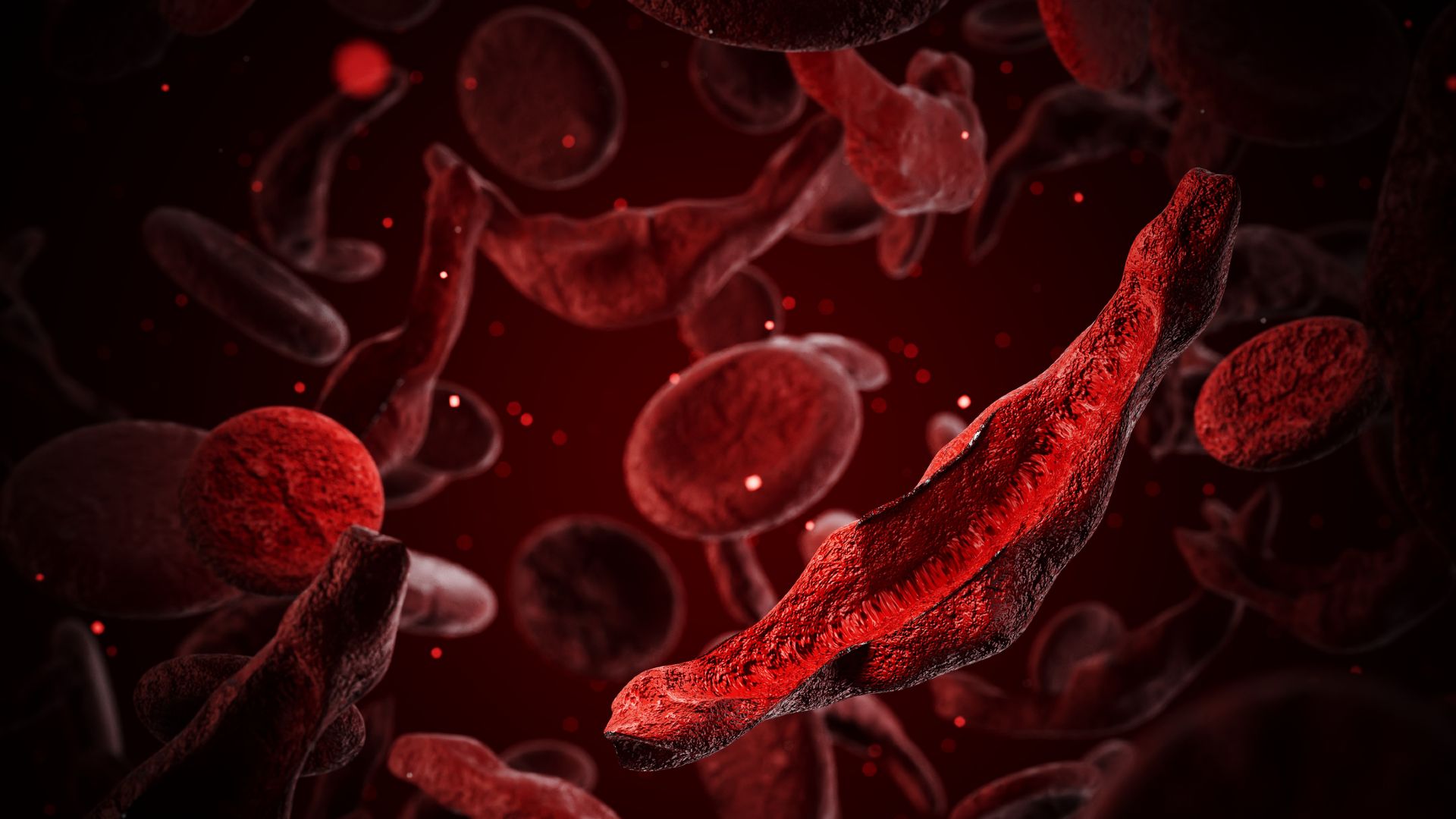
Sickle cell disease results from a single-point mutation in the HBB gene, causing red blood cells to assume a rigid, sickle shape under low oxygen conditions. These misshapen cells block blood flow, leading to chronic pain, organ damage, strokes, and reduced life expectancy. While bone marrow transplants can cure the condition, they are limited by donor availability and risks of graft-versus-host disease. For decades, researchers have sought ways to reactivate fetal hemoglobin — normally silenced after birth — which does not sickle and can compensate for defective adult hemoglobin.
Dr. Stuart Orkin, a pediatric oncologist and geneticist at Dana-Farber/Boston Children’s Cancer and Blood Disorders Center and Harvard Medical School, identified BCL11A as a key transcriptional repressor of fetal hemoglobin genes in erythroid cells. Through a series of genome-wide association studies and functional assays published in Science in 2008 and followed by mechanistic work in Nature in 2011, Orkin’s team demonstrated that suppressing BCL11A in mouse models led to robust fetal hemoglobin production and amelioration of sickle cell pathology. These findings established BCL11A as a viable target for genetic intervention.
Parallel to Orkin’s genetic work, Dr. Swee Lay Thein, formerly at the National Heart, Lung, and Blood Institute (NHLBI) and later a professor at King’s College London, studied natural variants associated with elevated fetal hemoglobin levels. Her clinical investigations of patients with HPFH — benign conditions where fetal hemoglobin persists into adulthood — revealed specific genetic mutations in the HBB and HBG2 promoters that disrupt silencing mechanisms. By correlating genotype with phenotypic severity in large cohorts of sickle cell patients, Thein provided critical evidence that even modest increases in fetal hemoglobin could significantly reduce disease complications.
The convergence of these lines of research suggested that inhibiting BCL11A — either through gene editing or pharmacological means — could safely reactivate fetal hemoglobin in patients. This hypothesis was tested in clinical trials led by CRISPR Therapeutics and Vertex Pharmaceuticals, where ex vivo CRISPR-Cas9 editing of hematopoietic stem cells to disrupt the BCL11A enhancer region resulted in elevated fetal hemoglobin and transfusion independence in the majority of treated participants. The pivotal trial results, published in The New England Journal of Medicine in 2021 and updated in 2023, showed sustained clinical benefit with no serious adverse events attributable to the editing process.
Casgevy, the resulting therapy, involves extracting a patient’s own blood stem cells, using CRISPR-Cas9 to make a precise cut in the BCL11A gene’s erythroid-specific enhancer, and reinfusing the edited cells after myeloablative conditioning. The procedure offers a one-time potential functional cure, eliminating the need for lifelong transfusions or immunosuppressive drugs associated with donor transplants. As of early 2024, over 50 patients have received the therapy globally, with durable engraftment and hemoglobin stabilization reported in peer-reviewed follow-ups.
The recognition by the Breakthrough Prize underscores the importance of basic discovery science in enabling clinical breakthroughs. Both laureates have emphasized that the award reflects collaborative efforts across genetics, hematology, and clinical medicine. In a statement released by the Breakthrough Prize Foundation, Dr. Orkin noted, “This work began with a simple question: why do some patients with sickle cell disease have milder symptoms? The answer led us to fetal hemoglobin — and to a path toward fixing the root cause.” Dr. Thein added, “Seeing patients transition from frequent hospitalizations to living full lives after gene therapy is the ultimate validation of basic research.”
Access to Casgevy remains limited due to its complex manufacturing process and high estimated cost of approximately $2.2 million per treatment in the United States. Still, both the FDA and the UK’s National Health Service (NHS) have issued guidance on coverage pathways, and ongoing efforts aim to streamline delivery and reduce barriers. The World Health Organization (WHO) has also included gene therapies for sickle cell disease in its 2023–2025 priority list for emerging health technologies, urging equitable access strategies for low- and middle-income countries where the disease burden is highest.
Understanding the Science Behind the Therapy
Fetal hemoglobin (HbF) consists of two alpha and two gamma globin chains, unlike adult hemoglobin (HbA), which contains two alpha and two beta chains. In sickle cell disease, a mutation in the beta-globin gene (HBB) produces hemoglobin S (HbS), which polymerizes under deoxygenation, distorting red blood cells. HbF does not contain beta chains and thus inhibits HbS polymerization. Normally, HbF levels decline sharply after birth due to epigenetic silencing driven by BCL11A and other factors like LRF and ZBTB7A.
By targeting the erythroid-specific enhancer of BCL11A — a non-coding DNA region active only in red blood cell precursors — CRISPR-Cas9 editing disrupts the gene’s repression of gamma-globin without affecting its other functions. This approach increases HbF to 20–40% of total hemoglobin in edited cells, sufficient to prevent sickling in most clinical contexts. Unlike strategies aiming to correct the HBB mutation directly, this method leverages natural biology, reducing risks of off-target effects or incomplete correction.
Long-term safety data remain under collection, but early indicators suggest durable engraftment of edited hematopoietic stem cells and no evidence of clonal dominance or malignancy in treated patients to date. Ongoing trials are monitoring for potential off-target edits and delayed adverse effects, with results expected over the next five years.
Global Impact and Future Directions
Sickle cell disease affects an estimated 100 million people globally, with over 300,000 infants born annually with severe forms, primarily in sub-Saharan Africa, India, and the Middle East. In the United States, approximately 100,000 people live with the condition, predominantly among those of African descent. Beta thalassemia, while less prevalent, poses significant transfusion burdens in Mediterranean, South Asian, and Southeast Asian populations.
The success of Casgevy has spurred investment in next-generation gene editing approaches, including base editing and prime editing, which may offer greater precision. Researchers are also exploring in vivo delivery methods to avoid the need for stem cell extraction and chemotherapy conditioning. Efforts to develop oral or small-molecule inhibitors of BCL11A continue, aiming to provide more accessible, scalable alternatives to gene therapy.
Ethical considerations surrounding germline editing, consent, and equitable access remain active topics in bioethics forums. The National Academies of Sciences, Engineering, and Medicine, along with the WHO’s Expert Advisory Committee on Developing Global Standards for Governance and Oversight of Human Genome Editing, have issued frameworks emphasizing inclusivity, transparency, and benefit-sharing — particularly for populations historically underrepresented in clinical research.
As of mid-2024, both Dr. Thein and Dr. Orkin continue their research. Dr. Orkin’s lab at Harvard is investigating epigenetic modifiers of fetal hemoglobin beyond BCL11A, while Dr. Thein collaborates with international networks to study genetic modifiers of disease severity in diverse populations. Their work exemplifies how foundational discoveries, when translated through rigorous clinical development, can transform the outlook for genetic diseases once considered untreatable.
The next major milestone in this field will be the presentation of long-term follow-up data from the ongoing CLIMB-111 and CLIMB-121 trials at the American Society of Hematology (ASH) annual meeting in December 2024, where updated efficacy and safety outcomes for Casgevy recipients will be shared.
We invite our readers to share their thoughts on the evolving landscape of genetic therapies and how science can better serve global health equity. Join the conversation in the comments below and help spread awareness by sharing this article with others who may benefit from understanding these advances.