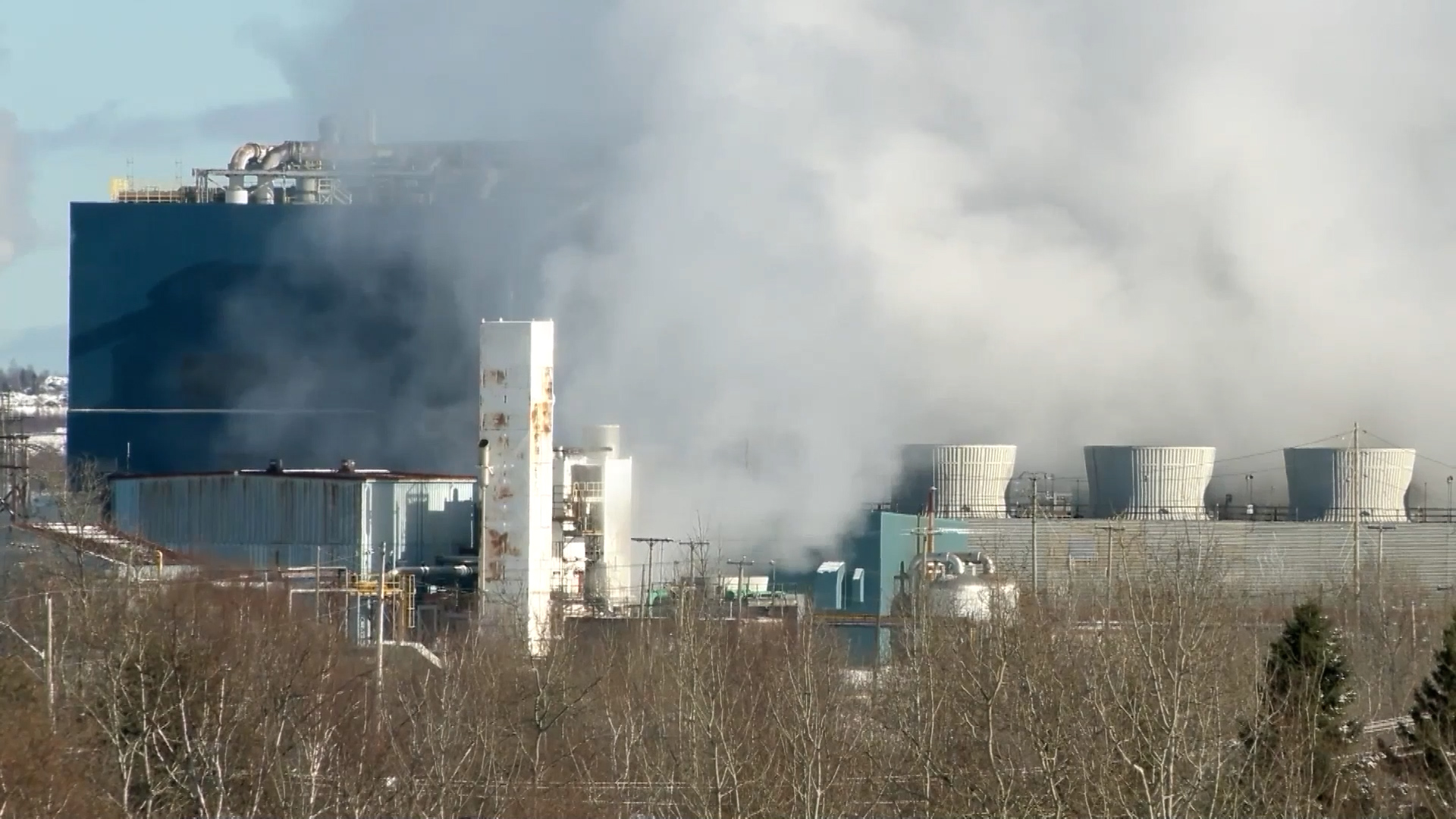
In the industrial heartland of Quebec’s Abitibi-Témiscamingue region, a growing chorus of family physicians is urging the provincial government to halt operations at the Fonderie Horne smelter in Rouyn-Noranda, citing mounting evidence of airborne pollutants linked to serious health risks in nearby communities.
The call comes as public health data continues to show elevated levels of arsenic and other heavy metals in the air surrounding the facility, which has operated for nearly a century. Doctors argue that despite incremental improvements, current emissions remain incompatible with Quebec’s own public health objectives and international air quality guidelines.
Dr. Tanguy Veret, a family physician practicing in Rouyn-Noranda, has become a prominent voice in the debate, emphasizing that continuing along the current trajectory undermines the scientific consensus on environmental health. “We are not asking for the plant to close tomorrow,” Veret stated in a recent interview with local media. “We are asking for a science-based transition plan that protects both public health and regional livelihoods.”
The Fonderie Horne, owned by Glencore, is one of the last remaining copper smelters in North America and a significant employer in the region. However, it has long been under scrutiny for its emissions, particularly arsenic, a known carcinogen. In 2021, Quebec’s public health director issued a rare advisory urging residents, especially children and pregnant women, to limit outdoor activities during periods of high pollution—a move that underscored the severity of the situation.
Since then, the province has implemented stricter emissions standards, requiring the smelter to reduce arsenic emissions to 15 nanograms per cubic meter by 2026, down from historical levels that occasionally exceeded 100 ng/m³. Glencore has invested in upgrades, including a new gas capture system, and reports progress toward meeting the target.
Yet, medical professionals argue that even the 2026 target falls short of what is needed to eliminate health risks. The World Health Organization states there is no safe level of exposure to arsenic, and long-term inhalation is linked to lung cancer, cardiovascular disease, and developmental issues in children.
“We’ve seen improvements, but the goalposts are still too far out,” said Dr. Veret. “Every year of delay means more cumulative exposure for families living in the shadow of the smelter. We need a timeline that reflects the urgency of the science, not just industrial feasibility.”
The physicians’ appeal has gained traction among regional health authorities. The Abitibi-Témiscamingue Integrated University Health and Social Services Centre (CISSS) has repeatedly called for accelerated action, noting that while blood and urine tests show declining toxin levels in residents, they remain above provincial averages.
In response, Quebec’s Ministry of Environment has affirmed its commitment to the 2026 deadline, citing technical assessments that suggest further reductions would require unproven or economically unviable technology at this scale. Minister Benoit Charette has emphasized that the government is balancing environmental protection with economic stability in a region where the smelter supports hundreds of direct and indirect jobs.
Environmental groups, including Équiterre and the Canadian Association of Physicians for the Environment, have echoed the doctors’ concerns, calling for independent health impact assessments and greater transparency in emissions reporting.
As of early 2024, Glencore reports that arsenic emissions have dropped to approximately 25 ng/m³ on average, marking significant progress but still above the 2026 target. The company states it remains on track to meet the goal through ongoing operational adjustments and investments in cleaner technology.
The debate over Fonderie Horne reflects a broader tension in resource-dependent communities: how to reconcile industrial heritage with evolving public health standards. For doctors like Veret, the answer lies not in vilifying industry, but in insisting that health cannot be compromised in the name of economic continuity.
“This isn’t about choosing between jobs and health,” Veret added. “It’s about recognizing that long-term prosperity depends on a healthy population. We can have both—but only if we act on what the evidence tells us now.”
The next scheduled review of the smelter’s emissions compliance is set for late 2024, when Quebec’s Ministry of Environment will assess whether interim targets are being met. Updates will be published on the ministry’s official website, where residents can also access real-time air quality monitoring data from stations near the facility.
We invite readers to share their perspectives on this ongoing public health discussion in the comments below and to share this article to assist inform others concerned about environmental health in industrial communities.
- Listeria Outbreak 2024: 11 Infected Across Four States, CDC Reports
- New Cholesterol Guidelines Massively Expand Access to Statins
- New Consensus Guidelines Advise Against GLP-1 Weight-Loss Drugs During Pregnancy (world-today-news.com)
- Dengue Fever Alert: Miami-Dade Confirms Case and Warns of Symptoms (time.news)