
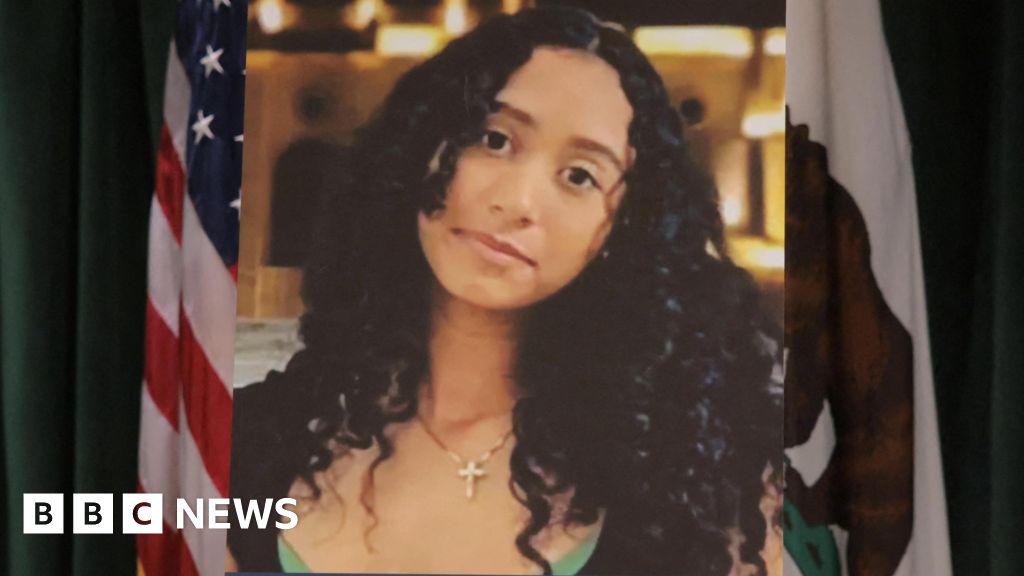
US singer D4vd pleads not guilty to murder in death of missing teen girl
US singer D4vd, whose real name is David Anthony Burke, has entered a not guilty plea in connection with the death of a missing teenager, according to court records. The case has drawn significant attention due to the artist’s rising profile in the music industry and the serious nature of the charges he faces. Prosecutors allege that Burke’s actions led to the death of the teen, whose body was discovered after an extensive search effort. The plea was entered during a recent court appearance, marking a key development in the ongoing legal proceedings.
The singer, known for his hit single “Romantic Homicide,” which gained popularity on social media platforms, has maintained his innocence throughout the investigation. His legal team has not commented publicly on the specifics of the defense strategy, though they have affirmed his commitment to cooperating with the judicial process. The not guilty plea indicates that the case will proceed to trial, where both the prosecution and defense will present evidence before a judge or jury.
As the case unfolds, it underscores the intersection of celebrity culture and the criminal justice system, highlighting how public figures navigate serious legal allegations while maintaining their careers. The outcome of this trial could have significant implications for Burke’s personal and professional future, depending on the verdict and sentencing if convicted.
Background on the charges and investigation
The investigation into the death of the missing teenager began several months ago when authorities were alerted to her disappearance. Law enforcement agencies conducted a thorough search, utilizing resources such as K-9 units, aerial surveillance, and community outreach to locate the girl. Her remains were eventually found in a wooded area outside the city, prompting a homicide investigation. Forensic analysis played a crucial role in linking Burke to the scene, leading to his arrest and subsequent charging with murder.
According to official court documents, Burke is facing a first-degree murder charge, which carries the potential for a life sentence if convicted. The prosecution has indicated that the case involves aggravating factors that could influence sentencing, though specific details have not been disclosed publicly due to the ongoing nature of the proceedings. Legal experts note that first-degree murder charges typically require proof of premeditation, which the prosecution must establish beyond a reasonable doubt at trial.
The defense has not yet filed any motions to dismiss the charges, suggesting they are preparing to contest the case on its merits. As is standard in criminal proceedings, both sides will engage in discovery, exchanging evidence and witness lists ahead of the trial date. The court has set a preliminary schedule for hearings, with the next status conference scheduled for the coming weeks to address procedural matters and potential plea negotiations.
Public reaction and impact on the music community
The news of Burke’s arrest and plea has elicited a range of reactions from fans, fellow musicians, and industry observers. Some fans have expressed disbelief and continued support for the artist, citing his musical contributions and personal interactions they’ve had with him online. Others have called for patience and respect for the legal process, emphasizing the importance of allowing the courts to determine the facts without prejudice.
Within the music community, the case has sparked discussions about the pressures of fame and the responsibilities that reach with public visibility. Industry veterans have noted that while artistic expression often explores dark themes, real-world actions must be separated from creative output. Record labels and streaming platforms have not issued public statements regarding the artist’s status, though his music remains available on major services as the case progresses.
Social media platforms have seen a mix of supportive messages, speculative comments, and calls for justice, reflecting the polarized nature of high-profile cases involving public figures. Moderators on fan forums and music discussion boards have worked to maintain constructive dialogue, removing content that violates community guidelines or spreads unverified information. The situation highlights the challenges of navigating public discourse when serious allegations are made against someone in the spotlight.
Legal proceedings and what happens next
The case is currently in the pre-trial phase, with both the prosecution and defense preparing for the upcoming trial. Key steps in the process include the exchange of evidence through discovery, potential motions to suppress certain evidence, and witness preparation. The judge overseeing the case has not yet set a firm trial date, but indicated that proceedings are expected to begin later this year, depending on the complexity of the evidence and the availability of witnesses.
If convicted of first-degree murder, Burke could face a life sentence, as prosecutors have indicated. However, sentencing would depend on various factors, including any aggravating or mitigating circumstances presented during the trial. The defense may pursue alternative strategies, such as arguing for a lesser charge or presenting evidence of mental health considerations, though no such motions have been filed publicly as of now.
The next scheduled court appearance for David Anthony Burke is a status conference set for [Date], where the judge will review the case’s progress, address any outstanding motions, and potentially set a trial date. This hearing will be an critical milestone in determining the timeline for the case moving forward. For the most accurate and up-to-date information, interested parties are encouraged to consult the official court docket for the jurisdiction handling the case.
As this legal process unfolds, it serves as a reminder of the importance of due process and the presumption of innocence until proven guilty. The outcome will depend on the evidence presented in court and the application of the law by the judicial system. Regardless of the verdict, the case has already left an indelible mark on the communities involved, prompting reflection on the intersection of art, fame, and accountability.